
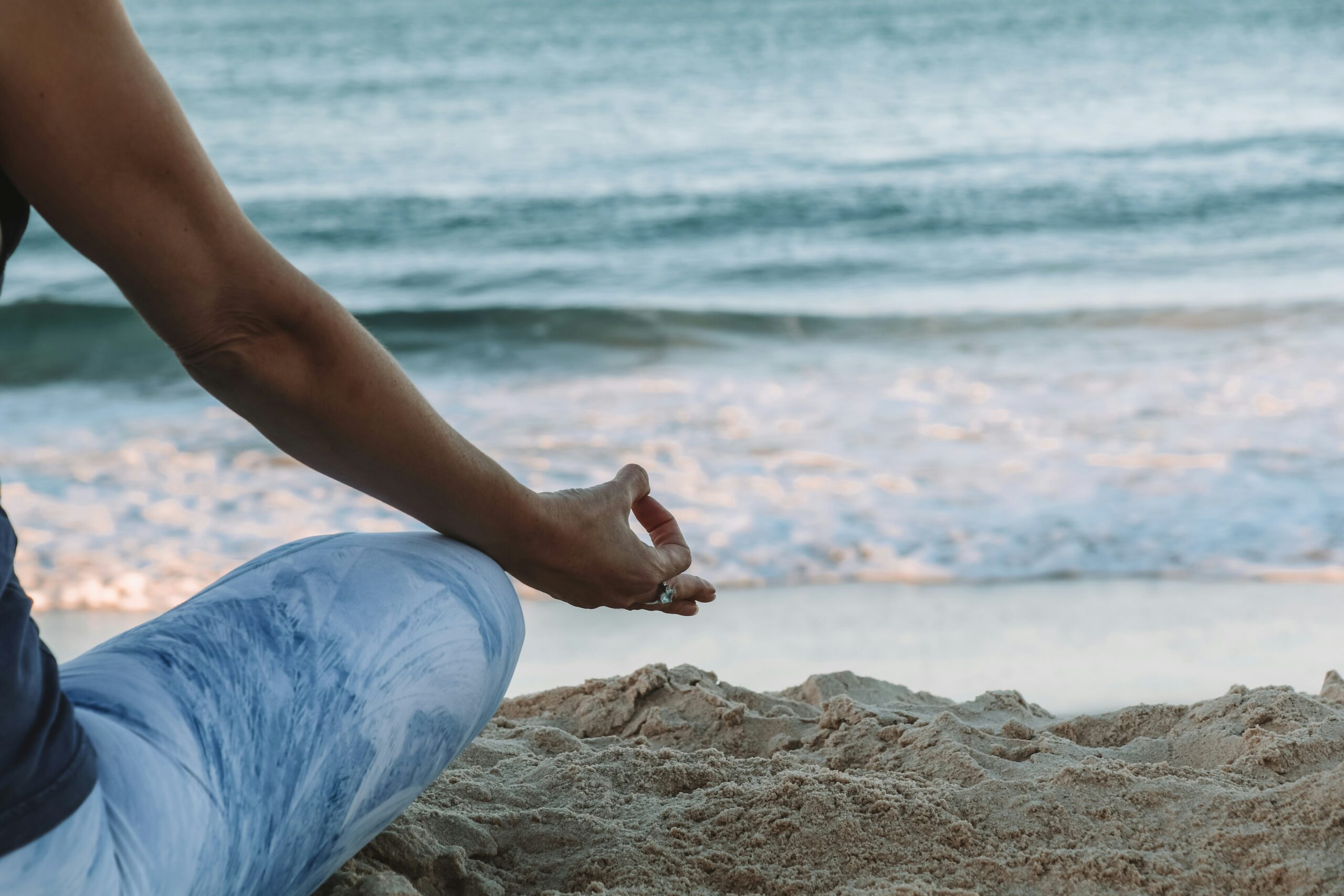
Meditation is all about finding a little calm in the chaos and tuning in to the present moment. But sometimes, just getting started or staying consistent can feel tough. That’s where having your own special meditation space can really help.
In this article, we’ll explore 9 simple, natural elements to help you create a cozy, inviting spot that makes it easier—and even enjoyable—to sit down, breathe, and just be.
Why Creating a Meditation Space Can Change Everything?
Starting or sticking with meditation can sometimes feel tricky—maybe even a little intimidating. But what if having a special meditation space just for your practice made it feel easier, more inviting, even something to look forward to?
Imagine a quiet nook in your home where you can press pause, breathe deeply, and be fully present with yourself. No distractions, no rush—just calm. This space doesn’t have to be large or perfect. It’s simply a little retreat that feels like yours, a place where you can slow down and recharge.
With just a few simple touches and a bit of intention, you can create a peaceful meditation space anywhere—even a small corner or a sunny windowsill—that invites you to come back again and again.
“Your environment is an extension of yourself. Design it to support your highest self.” – Rumi
The Role of Your Meditation Space in Developing Mindful Awareness
Meditation is a mental practice in which awareness is intentionally directed toward the present moment, acknowledging and accepting it as it is. Rather than becoming entangled in thoughts or emotional reactions, the practitioner observes them as passing experiences, without judgment. As Jon Kabat-Zinn notes, “Meditation does not involve trying to change your thinking by thinking some more. It involves watching thought itself.” This process trains the mind to step out of habitual mental narratives and into direct contact with reality as it unfolds, allowing for greater calm, perspective, and emotional resilience.
How Meditation Shapes Your Brain and Body for the Better?
- Neuroplasticity effects: Meditation leads to functional and structural alterations in grey and white matter, especially in areas related to attention, memory, interoception (body awareness), sensory processing, and self-regulation.
- Improved attention: It enhances attention regulation, helping individuals maintain better focus.
- Increased body awareness: Meditation improves interoception, making people more aware of their bodily sensations.
- Better emotion control: It supports emotion regulation, including managing stress and emotional responses more effectively.
- Reduces stress: Meditation has been proven to significantly reduce stress, especially in high-pressure settings like healthcare education, improving mental distress, anxiety, and study-related stress while boosting confidence and optimism.
- Health benefits: Meditation has potential applications in medicine and healthcare, especially for behavior change, lifestyle modification, and addiction treatment.
What Are the 9 Essentials for Creating Your Meditation Space?
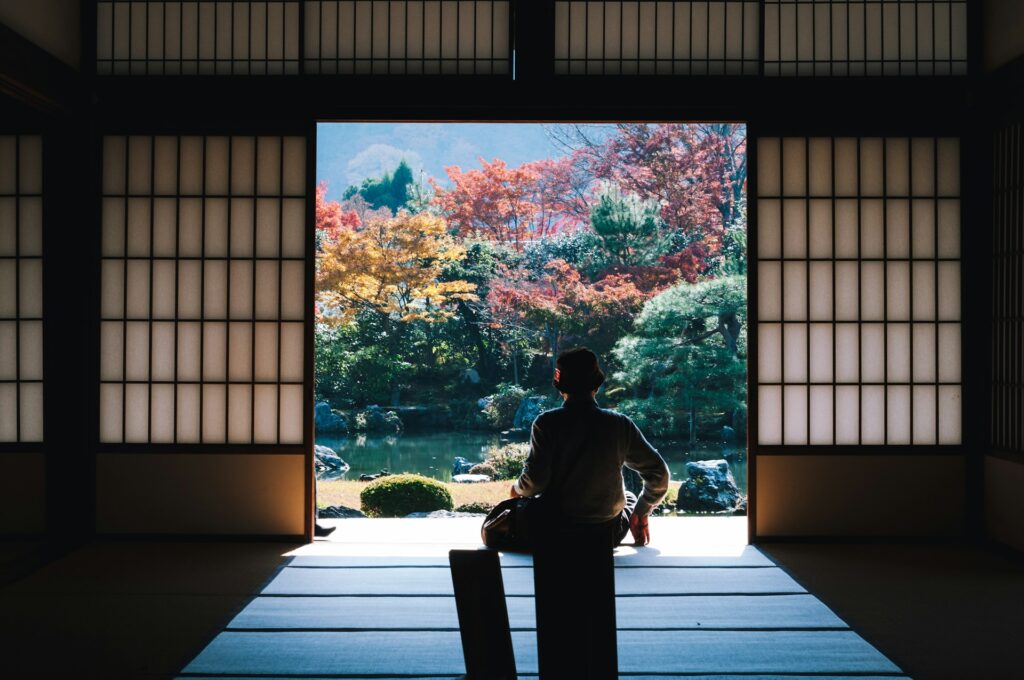
Your meditation space should feel like a personal haven — a place filled with things that bring you peace, comfort, and joy. It’s where your mind can settle and your spirit can recharge. While everyone’s ideal space looks a little different, some key elements can help support a deeper state of mindfulness and relaxation.
Here are nine thoughtfully curated essentials to inspire you in creating your meditation space.
1. Select the Perfect Spot
Begin by selecting an ideal spot; it could be a dedicated corner in your home, or even outdoors, perhaps an area in your garden. The goal is to find a serene and calm place to sit, a sanctuary where you can retreat from the world.
Inform others in your house or household that this room or corner is dedicated to peaceful practice to ensure it remains undisturbed and retains its peaceful atmosphere.
Paint your empty bedroom or meditation space in soothing colors like medium blues, light browns, pale yellows, and neutral soft tones. Adding a plant or a vase of cut flowers can further enhance the connection with nature.
2. Clear Out Clutter
After selecting your spot, clear out the clutter. Clutter often represents emotional attachments to the past or fear of future needs. Evaluate each item to determine if it is truly necessary or held onto for emotional reasons.
A clutter-free space enhances emotional energy, creating an open and inviting environment for meditation.
Remove distracting items and furniture to keep your meditation space free and open, fostering a serene environment that promotes focus and mindfulness.
3. Control Lighting

Lighting sets the mood for your meditation space. Natural light is ideal, but if that’s not possible, ensure you can control the light levels.
Overhead lights with a dimming function allow for adjustable light levels, promoting a soothing ambiance. Lamps also provide controlled lighting and color options that enhance the overall atmosphere of the meditation space.
Avoid fluorescent lighting, which can be harsh and uncomfortable. Instead, choose warm lighting or candles for a calming effect. Sheer curtains can soften and filter light, adding to the space’s feeling of tranquility.
4. Incorporate Nature Elements
Bringing natural elements into your meditation space can help your sessions feel more grounded and calm. A meditation garden offers a serene setting that encourages relaxation and mindfulness.
A small water feature, like a fountain or a bowl of water, can provide soothing sounds that enhance meditation. Essential oils, known for their calming and healing properties, such as lavender, are also a great addition.
Natural materials such as wood and stone help foster a grounding connection with nature. Crystals and plant bundles can also create a serene environment that promotes relaxation and mindfulness.
5. Add Comfortable Seating
Make sure you are sitting comfortably for prolonged meditation sessions. Try options like yoga mats, meditation cushions, and large soft pillows that offer the comfort that is necessary for providing you with support that will boost relaxation.
A cushion or blanket can help prop your hips while sitting on the floor, ensuring a stable posture.
Your seating arrangement should facilitate comfort to improve your meditation practice. A comfortable space invites longer periods of sitting, deepening your meditation and enhancing the experience.
6. Introduce Soothing Scents
A soothing aroma can make your meditation time feel even more peaceful. Calming scents such as jasmine or lilac work beautifully.
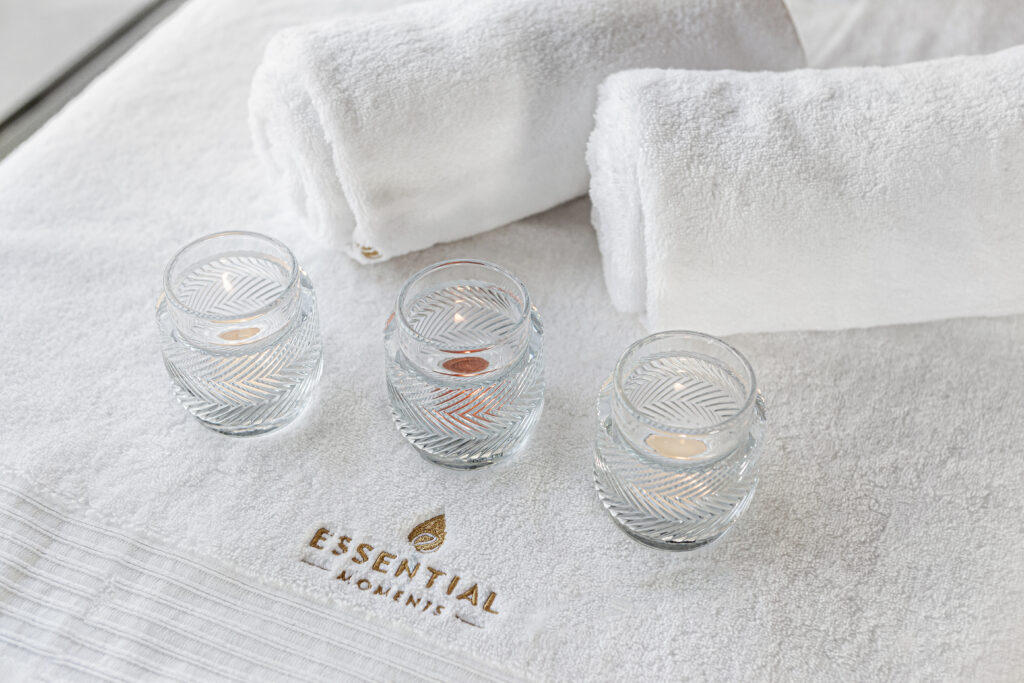
Light aromatic sources like incense sticks or candles a few minutes before entering your meditation space to allow the scent to fill the area, creating a peaceful ambiance for a relaxing session.
Using candlelight can create a gentle atmosphere. The soft glow, paired with a delicate fragrance, helps quiet the mind and deepen your meditation experience..
7. Personalize Your Space

Personalizing your meditation space can enrich your practice by creating an environment that resonates with your body. Including meaningful items can inspire an emotional connection.
A meditation altar can include items like white sage, an amethyst geode, mala necklaces, crystals, bracelets, a salt lamp, candles, and artwork, making your space uniquely yours.
8. Integrate Calming Sounds
Replacing intrusive noises with calming sounds like gentle nature recordings or soft music can improve mood, support well-being, and sharpen mental clarity. These subtle soundscapes set the tone for a space that invites relaxation.
This helps drown out external distractions and allows for deeper focus on your meditation practice.
9. Keep It Simple
Keep your meditation space simple. As previously mentioned, choosing a quiet area in your home or outdoors in nature can greatly improve concentration during meditation. Minimizing clutter is essential to avoid distractions and encourage mindfulness.
A meditation space doesn’t need to be filled with too many items; rather, it should cultivate a sense of calm and quiet that supports a peaceful mind. When you practice meditation in the same spot every day, you build a routine that helps you engage more easily with mindfulness and relaxation.
We encourage you to start your journey towards greater awareness by setting up your meditation space today. Remember, the goal is to create a place that feels uniquely yours, where you can retreat and rejuvenate.
Frequently Asked Questions
Do I need a big space to create a meditation room?
Not at all! Your meditation space can be as small as a cozy corner or a windowsill. What matters most is that it feels peaceful and personal to you.
What if I don’t have a quiet room at home?
No worries! You can use noise-canceling headphones, play calming sounds, or add soft textiles to absorb sound. Creating a sense of calm is more important than total silence.
How often should I meditate in my new space?
There’s no strict rule—start with a few minutes each day and gradually increase as you feel comfortable. Consistency matters more than duration.
Can I include any personal items in my meditation space?
Absolutely! Items that bring you joy or inspire calm—like crystals, candles, photos, or meaningful artwork—can make your space feel truly yours.
What kind of lighting works best?
Soft, warm lighting is ideal. Natural light is wonderful if available, but dimmable lamps or candles can create a soothing atmosphere perfect for meditation.
How do I keep my meditation space clutter-free?
Regularly check in with your space and remove anything that feels distracting or no longer serves your practice. A simple, open area invites greater focus and calm.
Can I meditate outdoors?
Definitely! Nature can be a beautiful backdrop for meditation. Find a quiet garden spot, balcony, or park bench that feels safe and comfortable for you.