
Have you ever wondered how simply spending time among trees could boost your health? Forest bathing, or shinrin-yoku, is more than a relaxing walk—it’s a way to strengthen your immune system, reduce stress, and support your overall well-being. When you immerse yourself in a forest, you give your body and mind a chance to reset. In this article, you’ll discover nine key benefits of forest bathing and how you can bring more nature into your daily life.
The Proven Health Benefits of Forest Bathing
1. Boost Your Immune System
When you spend time in a forest, your immune system receives a natural boost. Trees release phytoncides—airborne compounds with antibacterial and antifungal properties—that, when inhaled, stimulate the body’s natural defenses.
According to studies, forest bathing enhances immune function by increasing natural killer (NK) cell activity and boosting the production of intracellular anti-cancer proteins such as perforin, granulysin, and granzymes. These effects, supported by reduced stress hormones like adrenaline and noradrenaline, can last for weeks after a single trip, helping to lower stress, strengthen immunity, and provide potential anti-cancer benefits that support overall well-being.
2. Reduce Stress Levels
Modern life is stressful, but forest bathing can help you relax naturally. Spending time in nature lowers cortisol levels, the main stress hormone, which can otherwise affect both your mind and body in adverse ways.
When you walk among the trees, breathe deeply, and take in the forest sights and sounds, your blood pressure and heart rate can drop, helping you feel calmer. Even if you reside in a city, visiting parks or green spaces can help you feel less anxious and more balanced.
3. Improve Cardiovascular Health
Forest bathing can support your heart health by lowering your blood pressure and heart rate. It also improves heart rate variability, which is important for a strong, resilient cardiovascular system.
Evidence shows that spending time in forest environments helps improve cardiovascular function, enhance metabolic, immune, and neuroendocrine systems, and reduce anxiety, depression, and stress.
4. Enhance Your Mood and Emotional Well-Being
You can improve your emotional health by immersing yourself in nature. Forest bathing helps calm the mind, ease stress, and restore emotional balance by connecting you more deeply with the natural world.
A large systematic review shows that forest bathing reliably improves mental health, especially easing depression and anxiety. Furthermore, there is evidence supporting physical improvement inclding blood pressure and heart rate,thus boosting overall physiological health and psychological well-being.
5. Increase Energy and Reduce Fatigue
When you feel drained, forest bathing can naturally increase your energy levels. By walking in a forest or simply sitting quietly among trees, you may notice decreased fatigue and a renewed sense of vitality.
This increased energy can help you sleep better, tackle daily tasks with more enthusiasm, and feel physically and mentally rejuvenated.
6. Support Mental Health
Forest bathing promotes mindfulness, helping you focus on the present moment. This practice can reduce anxiety and improve overall emotional health.
Research indicates that spending time in nature can help adolescents and adults alike reduce symptoms of depression and manage stress more effectively. Engaging with natural surroundings can even aid in trauma recovery, such as PTSD, and provide emotional stability for days after your forest visit.
7. Promote Physical Health
Your physical health can benefit in several ways from forest bathing. Being in nature reduces inflammation, improves blood sugar levels, and supports healthy weight regulation.
You may notice better overall physical well-being, from improved circulation to enhanced metabolic function. These effects combine to make you feel more balanced and healthy in your daily life.
8. Enhance Skin Health

Forest air contains natural compounds like terpenes, which have anti-inflammatory properties that can help your skin. Spending time in nature may reduce symptoms of conditions like eczema and psoriasis, promoting healthier and more radiant skin.
By incorporating forest bathing into your routine, you can give your skin a natural boost while also enjoying the calming effects of the environment.
9. Relieve Pain
If you experience muscle soreness or joint pain, forest bathing may help. Phytoncides in trees have anti-inflammatory properties that can reduce discomfort.
Studies show that people who spend time in forested areas report lower pain levels and may require fewer pain medications. The calming effects of nature also help you cope better with chronic pain and recover more quickly from minor injuries.
How to Practice Forest Bathing
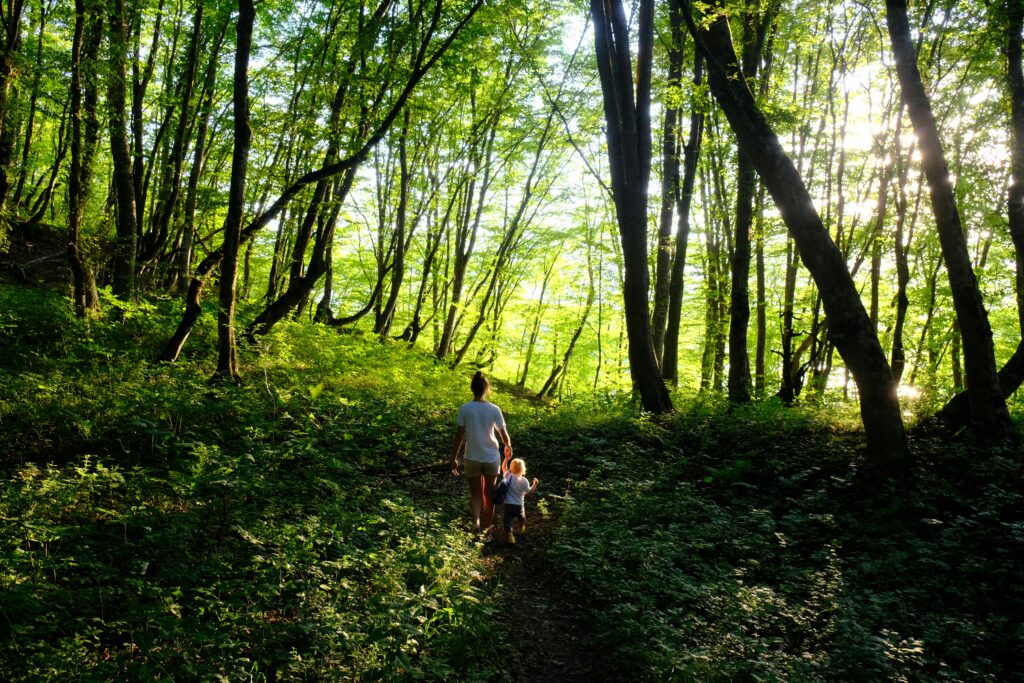
Practicing forest bathing is simple. Start by being fully present in nature and leaving technology behind. Use all your senses to experience the forest—the sounds, smells, and sights will help you feel grounded.
Aim to spend at least two hours in the forest during quiet times. If you don’t have access to a forest, local parks or green spaces can work well. Even virtual forest experiences can help you enjoy the benefits of nature.
Frequently Asked Questions
1. What is forest bathing?
Forest bathing, or shinrin-yoku, is immersing yourself in the forest atmosphere to relax and enjoy its health benefits.
2. How does forest bathing boost my immune system?
By breathing in phytoncides from trees, your NK cell activity increases, strengthening your body’s natural defenses.
3. Can forest bathing reduce stress?
Yes, it lowers cortisol levels, helping you feel calmer and more relaxed.
4. How does it benefit my heart?
Forest bathing can lower your blood pressure and heart rate while improving heart rate variability, supporting cardiovascular health.
5. What if I don’t have access to a forest?
You can still enjoy the benefits by visiting local parks, green spaces, or even using virtual forest experiences.