
Spa therapy offers proven physical and mental health benefits through specialized therapies that restore balance and enhance overall well-being. This article explores spa healing modalities, their benefits, massage varieties, and practical considerations.
What Is Spa Therapy and How Does It Work?
Some authors consider the idea that the SPA definition originates from the Latin acronym (Sanus Per Aqua, that is, Health through water). According to other sources, SPA is the name of a town in Belgium, which became popular during Roman times for its baths. Today’s wellness landscape offers a wide range of spas—from cozy day retreats to immersive sanctuaries and therapeutic health centers, each with its unique approach to wellness.
This kind of experience is all about a balanced mix of things like taking care of your health and fitness, focusing on beauty and self-care, eating nutritious food, finding time to relax or meditate, keeping your mind active through learning, and being mindful of the environment and your social connections. These are the key elements that define what a SPA experience means.
Spa therapy, in particular, focuses on creating spaces that help you feel better and handle stress more easily. To make these benefits even stronger, many treatments bring in natural elements like mineral-rich spring water, giving you a whole-body approach to staying healthy and refreshed.
Benefits of Spa Therapy

Here are several benefits of spa therapy, supported by scientific research.
1. Stress Reduction
According to a 2021 study, spa therapy sessions show significant effectiveness in improving depression, anxiety, and stress-related sleep disorders, while also providing therapeutic benefits for chronic pain and musculoskeletal conditions.
Reducing stress is a widely recognized benefit of spa treatments. Methods like massage and the use of essential oils are especially effective at lowering stress levels and easing anxiety symptoms. Aromatherapy massage, for example, is particularly effective in promoting relaxation and enhancing both mental and physical health.
A 2019 study found that combining aromatherapy with music therapy positively reduces anxiety and stress.
These various therapeutic approaches foster feelings of peace and help significantly reduce stress by encouraging the body to produce hormones associated with positive moods.
2. Pain Relief
Spa treatments such as hydrotherapy and hot stone massage are widely recognized for their ability to relieve pain. Hot stone massages, in particular, can significantly ease arthritis symptoms by promoting muscle relaxation and improving blood circulation.
Findings on spa therapy for fibromyalgia concluded that adding spa therapy to standard medical treatment offers benefits for women with fibromyalgia, including less pain, fewer tender points, and overall better well-being.
Another study demonstrated significant improvements in quality of life, pain, and functional measures in patients with chronic lower back pain after spa therapy sessions.
Similarly, a 2021 study examined the effects of hydrotherapy on patients with nonspecific lower back pain (NSLBP). The results showed that after 10 sessions, participants experienced significant improvement in NSLBP symptoms.
Further research also demonstrated that hydrotherapy significantly improved pain, function, and muscle performance in older women with knee osteoarthritis.
3. Improved Sleep
Spa therapy is known to greatly improve sleep quality. The deep relaxation these treatments provide helps the body unwind, making it easier for people—especially those with sleep difficulties—to fall asleep and stay asleep throughout the night. This level of relaxation is key to improving overall sleep quality and promoting better health and well-being.
Studies have shown that balneotherapy with thermal water significantly reduces mental stress, improves sleep quality, and relieves general health problems in individuals with health issues. It has also been found to reduce waist circumference in women under 55, highlighting its potential benefits for both physical and mental well-being.
Another study concluded that hydrotherapy, balneotherapy, and spa therapy are promising for improving sleep quality and duration by influencing hormones and regulating body temperature. However, more clinical trials are needed to better understand the mechanisms behind these benefits for sleep disorders.
4. Enhancing Well-Being
Studies have shown that spa therapy can effectively improve the well-being of middle-aged adults with common health conditions.
Aromatherapy combined with massage helps regulate hormonal balance and promotes improved mood. This synergy highlights the broad wellness benefits of consistent participation in spa therapy.
Regular spa sessions can strengthen the immune response, partly due to reduced stress levels, which would otherwise weaken immunity.
- Thalassotherapy: Uses seawater, seaweed, and marine minerals for therapeutic benefits.
- Halotherapy: Salt therapy, often in salt rooms or caves, is known for its respiratory and skin benefits.
- Ayurvedic Therapy: Traditional Indian treatments using oils, herbs, and massage techniques.
- Aromatherapy: Uses essential oils for relaxation, healing, and mood enhancement.
- Cryotherapy: Cold therapy that reduces inflammation, boosts circulation, and speeds recovery.
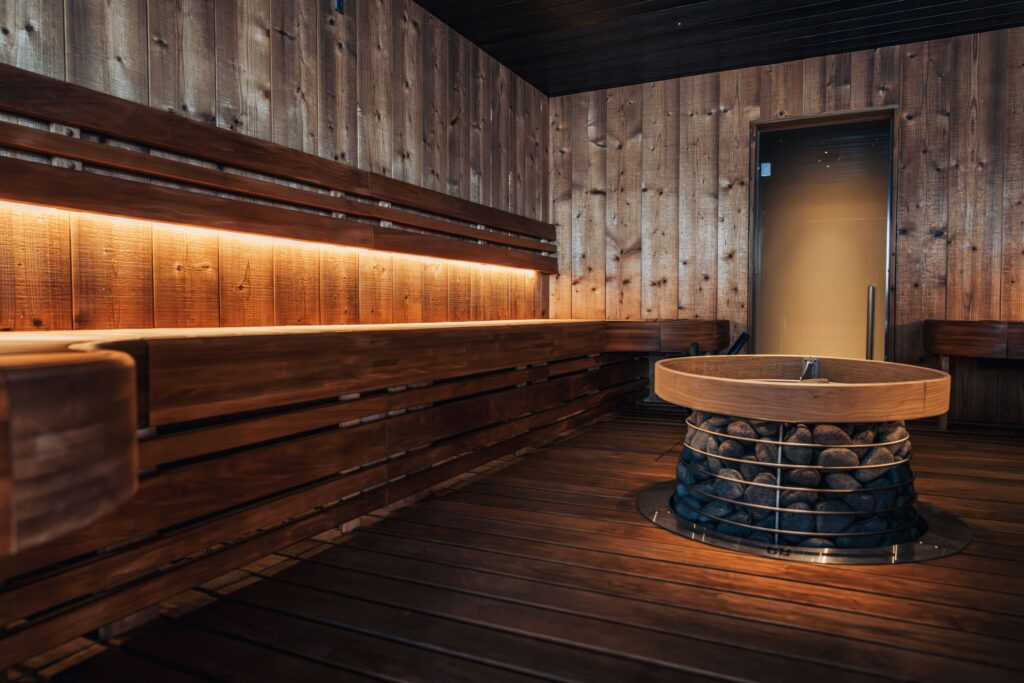
- Thermotherapy: Heat-based treatments like saunas, steam baths, and warm wraps to relax muscles and improve circulation.
- Mud Therapy: Healing mud wraps and baths that detoxify and nourish the skin.
- Chromotherapy: Light and color therapy to balance energy and enhance well-being.
- Sound Therapy: Uses singing bowls, gongs, and vibrations to promote relaxation and inner balance.
- Balneotherapy: Utilizes natural mineral waters, hot springs, and healing muds to support skin health, relieve joint and muscle pain, improve circulation, and aid detoxification.
How Does Spa Therapy Impact Your Health?
These days, spa therapies aren’t just about pampering anymore—they’re truly helpful for your body and mind, and they’re becoming a meaningful part of how we take care of our health.
To enhance cardiovascular health, spa methods such as hydrotherapy and body wraps can improve circulation, helping the body heal injuries more effectively. Heat or steam treatments stimulate the lymphatic system, promoting the body’s natural detoxification process and helping eliminate toxins more efficiently. Balneotherapy, mud therapy, and spa therapy can reduce pain and stiffness and improve quality of life.
What Are the Most Popular Spa Treatments?
1. Swedish Massage
This traditional full-body massage technique uses long, flowing strokes to help you relax and relieve muscle tension
2. Deep Tissue Massage
Involves a highly trained therapist applying firm finger pressure and slow friction to reach deep muscle layers down to the bone. It relieves pain and muscle tightness, helping you feel renewed and relaxed.
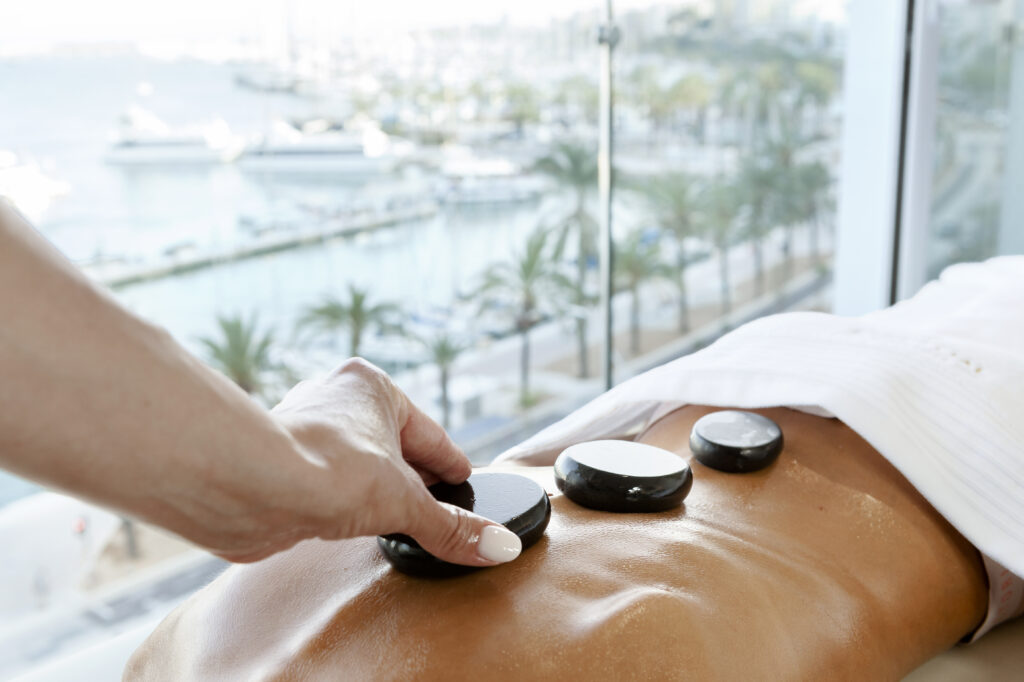
3. Hot Stone Massage
This elegant relaxation treatment offers a perfect harmony of temperature (heated basalt stones) and touch, addressing both physical discomfort and mental stress, leaving you in a state of wonderful calm.
4. Aromatherapy Massage
Combines pure essential oils with massage techniques to enhance your emotional well-being.
5. Thai Massage
Influenced by traditional Indian, Southeast Asian, and Chinese medical systems, Thai massage is a vigorous technique in which the therapist manipulates the body into stretches, applies rhythmic pressure, and loosens joints. It’s typically done on a firm mat on the floor, and no oils are used.
6. Shiatsu Massage
This is an ancient Japanese finger pressure technique based on traditional Chinese medicine. Practitioners believe that applying pressure to acupuncture points can correct imbalances in energy flow, promote relaxation, and stimulate lymphatic flow.
7. Reiki
Originating in Japan, Reiki is a spiritual energy healing therapy. It involves placing the hands over the body in positions related to vital organs and nerve plexuses, acting as a channel for Qi (life force) to activate healing energy at receptive points.
8. Lymphatic Drainage Massage
This gentle technique supports detoxification and strengthens the immune system by stimulating the body’s natural lymphatic flow. By oxygenating tissues, Lymphatic Drainage Massage increases blood flow and removes metabolic waste.
Frequently Asked Questions
What are the main benefits of spa therapy?
Spa therapy is excellent for promoting relaxation and reducing stress, as well as helping relieve pain and improve sleep.
Are spa treatments safe for everyone?
Spa treatments are generally safe, but you should consult your healthcare provider if you have specific health conditions to ensure they are suitable for you.
How often should I visit a spa to see benefits?
Try to visit at least once a month to enjoy the benefits of spa therapy. This frequency helps maintain positive effects, though your personal needs may vary.
Can spa therapy help with chronic pain?
Spa therapies like hot stone massages and hydrotherapy can relieve chronic pain and improve overall quality of life.
What should I expect during a spa visit?
During a spa visit, you can expect to relax in hydrotherapy areas and saunas while enjoying treatments like massages and facials that help you unwind and rejuvenate.