The evolving landscape of massage therapy continues to grow rapidly, and Massage Therapy Trends 2026 are shaping a new era of holistic care, advanced techniques, and client-centered wellness. If you’re a therapist, you’ve probably felt this shift happening already—clients are asking different questions, seeking more personalized treatments, and expecting deeper expertise. That’s why understanding Massage Therapy Trends 2026 is essential not only for staying competitive but for offering the kind of elevated care modern clients now seek for longevity and well-being.
From science-supported modalities to tech-enhanced tools and a rising demand for mind-body therapies, 2026 brings forward exciting innovations. And the best part? You can adapt many of these trends immediately in your practice.
According to research, the global massage therapy service market was valued at USD 19.45 billion in 2024 and is projected to reach USD 29.53 billion by 2030, growing at a 7.3% CAGR from 2025 to 2030. The market continues to expand as more people turn to massage therapy for health, longevity, and preventive benefits.
The Evolving Landscape of Massage Therapy in 2026
Massage is no longer viewed as a luxury—it has become an essential component of integrative healthcare, longevity, and emotional well-being. As more research highlights the physiological and psychological benefits of manual therapy, clients are turning to massage as part of long-term wellness plans rather than occasional self-care.
And you may have noticed: clients today want more than relaxation. They want science-backed results, personalized treatment plans, and therapists who understand both anatomy and modern wellness culture. This is where Massage Therapy Trends 2026 comes in—defining what clients expect and what therapists are now encouraged to master.
1. The Mental–Emotional Wellness Integration
Massage therapy is increasingly recognized as a tool for emotional regulation. Studies continue to explore how touch reduces cortisol, modulates the autonomic nervous system, improves sleep, and supports people struggling with chronic stress, burnout, or anxiety.
Many therapists now integrate grounding techniques, breath awareness, and slow rhythmic work that influences vagal tone.
Clients are also becoming more open about their emotional state during sessions. You may already see clients saying things like “I need this for my mind today,” not just their muscles.
2. Energy-Infused Bodywork and Subtle-Touch Therapies
As interest in subtle body medicine expands, therapists are incorporating gentle integrative techniques such as Reiki, Craniosacral therapy, Polarity Therapy, or intuitive touch methods. These approaches appeal to clients seeking energetic balance alongside physical relief.
Science is beginning to examine how slow, sustained touch interacts with the C-tactile afferent system—nerve fibers linked to emotional comfort, safety, and bonding. This gives therapists a bridge between intuitive work and physiological explanation, helping you communicate benefits with clarity and professionalism.
3. Reflexology Returns With Modern Purpose
Reflexology is experiencing a strong revival in 2025, especially among clients who want gentle yet targeted treatments without deep pressure.
Whether it’s foot, hand, or auricular reflexology, therapists are reporting increased demand from clients who enjoy the feeling of light stimulation and the relaxing effects on the nervous system.
You can introduce reflexology as part of your treatment plans even if you don’t specialize in it fully.
Have you tried reflexology yourself? Many therapists find that a small introduction is enough to spark client curiosity and return bookings.
4. Mobile Massage Continues Its Expansion
The demand for mobile massage services rose sharply in previous years and continues to expand as one of the key Massage Therapy Trends 2026. Clients appreciate the privacy, convenience, and comfort of receiving treatments at home, especially those with limited mobility or busy schedules.
For therapists, mobility can reduce overhead costs, expand client reach, and allow for flexible work hours. Many practitioners are now offering hybrid models—part studio, part mobile—to meet growing client expectations.
If you haven’t explored this option yet, 2026 might be the perfect time. The question is: would you enjoy working in different environments, or do you prefer the sanctuary of your treatment room?
5. Personalized, Data-Driven Treatment Planning
The one-size-fits-all approach is no longer enough. Clients want personalized treatment, progress tracking, and tailored outcomes. This includes:
Integrating intake data and health history as:
- Tracking progress through digital tools
- Adjusting treatments based on lifestyle, stress levels, and movement patterns
- Creating multi-session plans instead of isolated appointments
Clients today expect you to understand their goals deeply—whether that’s stress reduction, mobility improvement, or chronic pain management.
Have you started implementing customized treatment plans? It’s one of the most effective ways to build long-term relationships with loyal clients.
6. Cupping, Gua Sha & Tool-Assisted Techniques Remain in Demand
Clients continue to request cupping, scraping tools, and decompression methods because they pair well with traditional massage and because they offer immediate sensory feedback.
While some of these methods draw on traditional Chinese medicine, modern research is exploring how mechanical tissue lifting or shear forces can improve circulation and relieve tightness. If you’re trained in these modalities, you know how satisfying it is for a client when tension finally “releases.”
7. Scientific Interest in Gentle Manual Therapies Grows
Research is increasingly exploring how gentle pressure influences lymph flow, interstitial fluid movement, fascia, and the nervous system. Therapists who stay informed about new scientific findings will be better equipped to present massage not as a luxury, but as a legitimate wellness intervention.
This includes research on:
- Touch and stress physiology
- Fascia, mechanotransduction, and movement
- The autonomic nervous system and relaxation responses
- The relationship between slow rhythmic touch and emotional regulation
As a therapist, keeping up with this knowledge helps you speak with confidence and professionalism, especially when clients ask why a technique works.
8. Technology Becomes a Natural Part of the Massage Experience
Software, digital intake forms, online scheduling, and automated follow-ups are now standard practice. Clients expect seamless, mobile-friendly booking and communication.
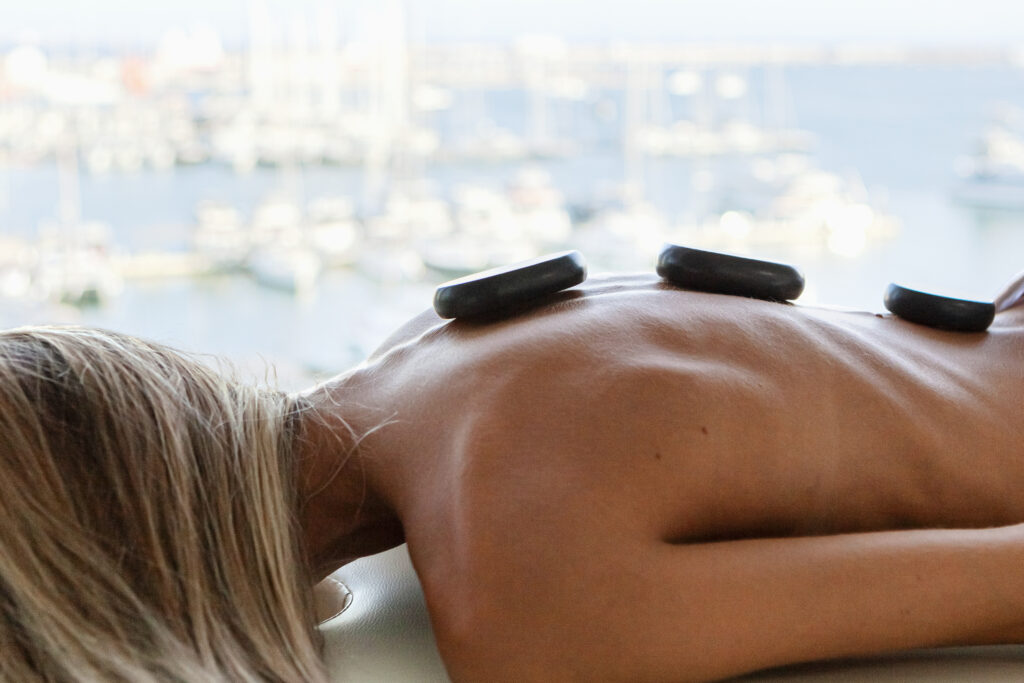
Some therapists now integrate technology directly into treatments such as rhythmic massage tools, warm quartz stones, percussive devices, or even guided relaxation audio.
Technology won’t replace human touch, but in 2026, it will enhance the therapist’s workflow and the client’s experience.
FAQs About Massage Therapy Trends 2026
What new technique should therapists consider learning this year?
Energy-infused bodywork and subtle-touch approaches are growing quickly. Clients want both emotional and physical support, and these modalities bridge the two worlds beautifully.
Is technology replacing hands-on work?
Not at all. Technology supports communication, scheduling, and assessment—but human touch remains irreplaceable. Clients value presence, intuition, and your hands more than any device.
Are personalized treatments hard to implement?
Not really. Start with detailed intake questions, lifestyle discussions, and session planning. Clients appreciate when you design a session that feels like it was meant just for them.
What trend has the strongest scientific support?
Research continues to highlight stress-reduction, relaxation responses, and nervous-system benefits through slow rhythmic touch and gentle manual therapy.
Which trend benefits therapists the most?
Mobile massage and personalized plans often lead to higher booking consistency and deeper client relationships.
Do clients really care about trends?
They care about results and how you make them feel. Trends simply help you understand what clients are naturally gravitating toward.
What’s Next for You?
As the industry evolves, your ability to stay curious, connected, and adaptable will shape your success. Massage Therapy Trends 2026 are not just predictions—they’re doorways into new opportunities for growth, fulfillment, and deeper client impact.
So now the question is:
Which trend will you embrace first, and how will it transform your practice this year?