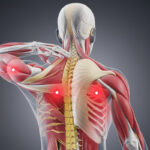
The manipulations we recognize today as massage originate from the foundational manual actions of palpating, frictioning, and kneading.
Historically, the earliest forms of the word can be traced to the Arabic mass, the Hebrew massege, and the Greek massein. According to Skinner, the term “massage” was already in use prior to 1818, while Le Gentil affirmed that by 1779, French colonists in India commonly employed the verb massez or massear. Yet despite these early references, evidence suggests that massage had not yet become a popularized technique on the European continent. A telling example appears in the Journal de Paris on May 6, 1785, where Monsieur Albert praised medicinal baths but admitted that the practice of gently kneading the body — what we now identify as massage — “is not known among us.”
Even the seminal work of Tissot on exercise from around 1780 does not mention the term “massage.” Still, Tissot describes essential manual therapies such as friction, kneading, alternating pressure, and relaxing compressions — foundational movements that would later evolve into the modern types of massages practiced worldwide. These early therapeutic concepts laid the groundwork for what has become a global wellness tradition used to support the nervous system, relieve muscle pain, enhance self-care, and contribute to overall physical and emotional balance.
Today, massage therapy spans a broad spectrum of styles, from foundational techniques like Swedish massage to specialized therapeutic approaches designed to target specific conditions. With growing awareness of massage benefits, you now have access to treatments for stress relief, mobility, recovery, circulation, and total well-being. Below is a complete, research-informed exploration of the most popular and effective types of massages available today.
1. Swedish Massage
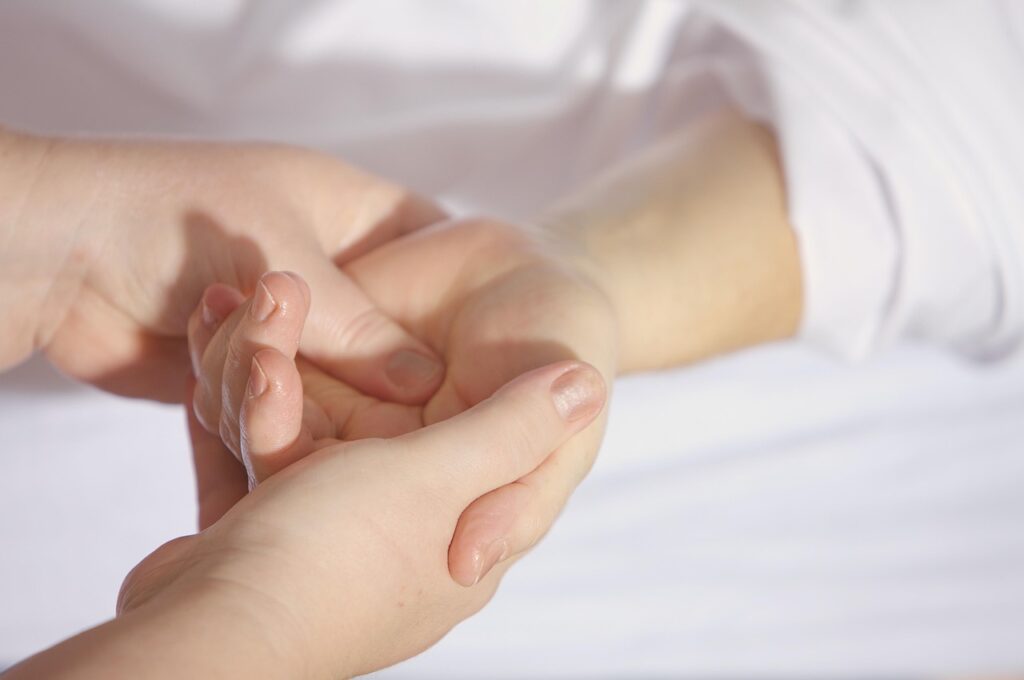
Among the various types of massages, Swedish Massage is one of the most widely recognized, using long, flowing strokes and light to medium pressure to promote full-body relaxation. Research indicates that Swedish massage may reduce cortisol levels and activate the parasympathetic nervous system, making it ideal for beginners or anyone looking to ease general tension through gentle therapeutic touch.
You may notice several wellness benefits from this treatment, such as:
- Helps reduce overall stress and tension
- Supports parasympathetic activation for relaxation
- Ideal for beginners or those who prefer a gentle touch
- Encourages improved circulation and muscle softness
2. Deep Tissue Muscle Massage
Deep Tissue Therapy is another key technique within the types of massages, targeting deeper layers of muscle and fascia. A clinical trial reported measurable improvements in chronic lower-back pain and mobility after a series of deep tissue sessions, especially for individuals experiencing chronic tension, postural strain, or long-standing muscular discomfort.
This technique can also offer meaningful wellness benefits, including:
- Targets chronic tension and deep muscular tightness
- Helps improve mobility and release long-standing knots
- Supports recovery from postural imbalances
- Beneficial for chronic pain conditions and athletes
3. Aroma Stone Therapy
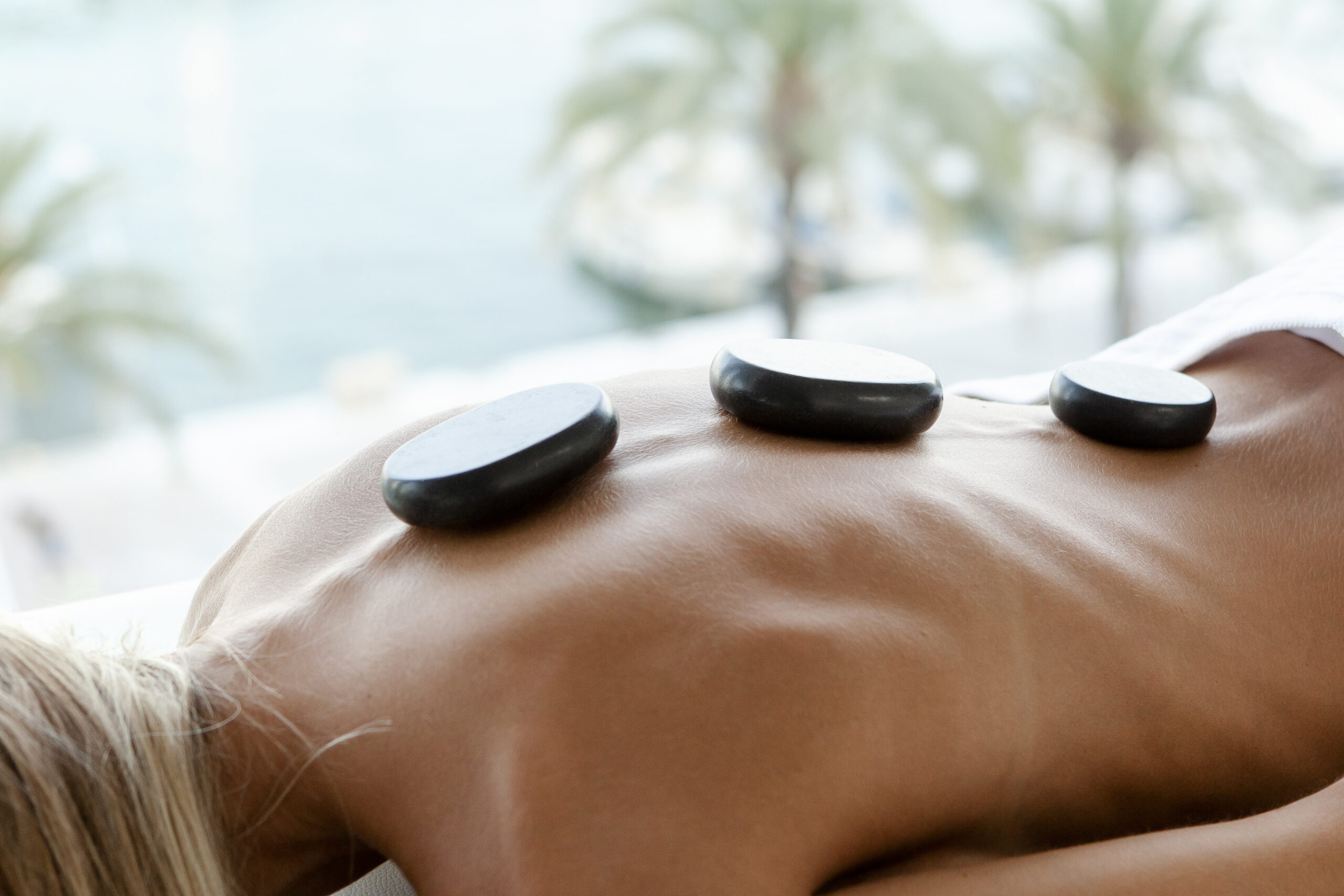
Signature Aroma Stone Therapy stands out among the types of massages for its combination of heat and essential oils. Studies show that heat-based massage techniques improve blood flow and soften tight muscle tissue more effectively than manual pressure alone. This makes it an appealing option for individuals seeking both physical relief and emotional relaxation in a single treatment.
Many clients experience noticeable wellness improvements from this massage, such as:
- Promotes deep warmth and muscular relaxation
- Enhances circulation through heat application
- Combines aromatherapy benefits for emotional calm
- Ideal for reducing tension without intense pressure
4. Bamboo Massage
Within the world of types of massages, Bamboo Massage offers a distinctive approach by using warmed, oil-coated bamboo canes to deliver smooth but firm pressure. You may find that this massage provides several supportive wellness benefits, such as:
- Delivers firm pressure with smooth, rhythmic strokes
- Helps break down tension without discomfort
- Supports circulation and muscle elasticity
- Ideal for people who prefer deeper pressure
5. Aromatherapy Massage
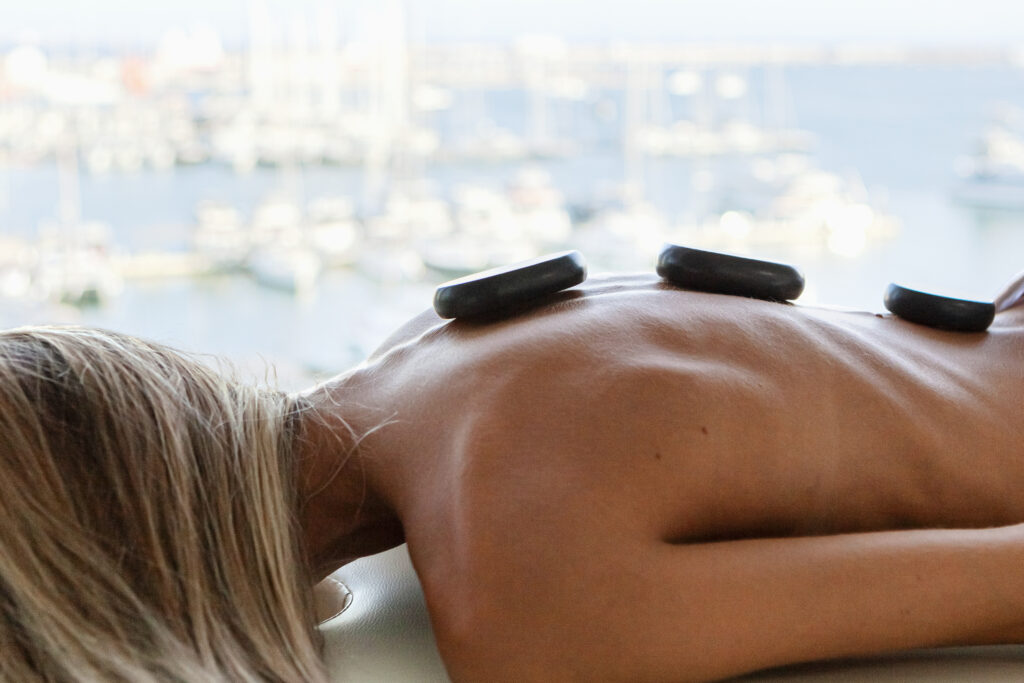
Aromatherapy Massage continues to be a popular option among the types of massages, integrating essential oils with therapeutic touch. Oils such as lavender and bergamot may reduce anxiety and support emotional relaxation when used during massage, appealing to those seeking both mental and physical relief.
This technique can also offer meaningful wellness benefits, including:
- Calms the nervous system through therapeutic scents
- Supports emotional balance and anxiety reduction
- Enhances relaxation with soft, gentle pressure
- Ideal for stress, tension, and emotional fatigue
6. Sports Massage
Sports Massage is one of the most functional types of massage, designed specifically for athletes and active individuals. Sports massage can improve joint range of motion and help reduce post-exercise soreness and inflammation, supporting both performance and recovery.
You may notice several wellness benefits from this treatment, such as:
- Helps prevent sports injuries and strains
- Supports flexibility and muscle recovery
- Reduces post-exercise inflammation
- Improves athletic performance and mobility
7. Trigger Point Massage
Trigger Point Therapy is recognized within clinical types of massages for its targeted approach to addressing knots that cause referred pain. These types of massages may improve tension headaches and shoulder discomfort among individuals with recurring tightness, demonstrating its effectiveness for localized pain relief.
This technique can also offer meaningful wellness benefits, including:
- Targets specific knots causing referred pain
- Helps relieve tension headaches and shoulder pain
- Reduces chronic muscle tightness
- Supports long-term pain management
8. Reflexology Massage
Reflexology is unique among the types of massages, focusing on precise points in the feet, hands, and ears believed to correspond to different organs and systems. According to a 2024 study on foot reflexology massage, it improves sleep quality, reduce anxiety, and promote deep relaxation.
Many clients experience noticeable wellness improvements from this massage, such as:
- Supports deep relaxation and nervous system balance
- Helps reduce anxiety and mental fatigue
- Encourages better sleep quality
- Ideal for those who prefer clothed, low-pressure treatments
9. Shiatsu Massage
Shiatsu, a Japanese technique within the broader types of massages, uses rhythmic pressure along energy pathways to restore balance.
You may find that this massage provides several supportive wellness benefits, such as:
- Promotes emotional and physical calm
- Helps reduce muscle tension and stress
- Supports better sleep and energy balance
- Ideal for clients who want oil-free treatments
10. Thai Herbal Poultice Massage
Thai Herbal Poultice Massage is one of the more traditional types of massages, using heated compresses filled with medicinal herbs to soothe and restore the body. Research indicates improved mobility, circulation, and decreased inflammation following herbal compress therapy.
This technique can also offer meaningful wellness benefits, including:
- Uses heated herbal compresses for deep relief
- Helps reduce inflammation and joint stiffness
- Supports circulation and mobility
- Provides both massage and herbal therapy benefits
11. Thai Massage
Thai Massage remains one of the most active Types of massage, blending stretching, compression, and guided movement.
You may notice several wellness benefits from this treatment, such as:
- Enhances flexibility and joint mobility
- Reduces stress through movement and stretching
- Promotes circulation and energy flow
- Ideal for individuals who enjoy active therapy
12. R3 Pain Management Therapy
R3 Therapy stands out among specialized types of massages, alternating hot and cold applications to reduce inflammation and increase circulation. Contrast therapy shows measurable improvements in swelling, discomfort, and tissue healing.
Many clients experience noticeable wellness improvements from this massage, such as:
- Combines hot and cold therapy for pain reduction
- Helps decrease inflammation in targeted areas
- Stimulates blood flow and tissue healing
- Ideal for chronic pain or repetitive strain
13. Couples Massage
A couple’s massage is one of the more experiential types of massages, designed to allow two people to relax together in the same room. It enhances emotional connection and provides a shared moment of peace and rejuvenation.
This technique can also offer meaningful wellness benefits, including:
- Enhances emotional bonding and shared relaxation
- Allows two people to enjoy therapy together
- Ideal for special occasions or stress reduction
- Encourages connection and mutual well-being
14. Chair Massage
Chair Massage is among the most accessible types of massages, offering targeted relief for the neck, shoulders, and back while the client remains fully clothed.
You may notice several wellness benefits from this treatment, such as:
- Provides fast tension relief for neck and shoulders
- Ideal for workplace or short sessions
- Allows clients to remain fully clothed
- Reduces stress quickly and effectively
15. Lymphatic Drainage Massage
Lymphatic Drainage Massage is one of the gentlest types of massage, designed to encourage lymph flow and reduce swelling. The type of massage shows improvements in fluid retention, swelling, and overall lymphatic function.
This technique can also offer meaningful wellness benefits, including:
- Reduces swelling and fluid retention
- Supports detoxification and immune function
- Encourages lymph flow for overall wellness
- Ideal after surgery or during inflammation
16. Craniosacral Therapy
Craniosacral Therapy is one of the lightest-touch types of massage, using delicate movements around the skull and spine to release restrictions. Studies suggest potential benefits for headaches, nervous system regulation, and stress reduction.
You may find that this massage provides several supportive wellness benefits, such as:
- Uses gentle touch to balance the nervous system
- Helps reduce headaches and stress
- Supports emotional and physical relaxation
- Ideal for clients sensitive to deeper pressure
17. Abhyanga Oil Massage
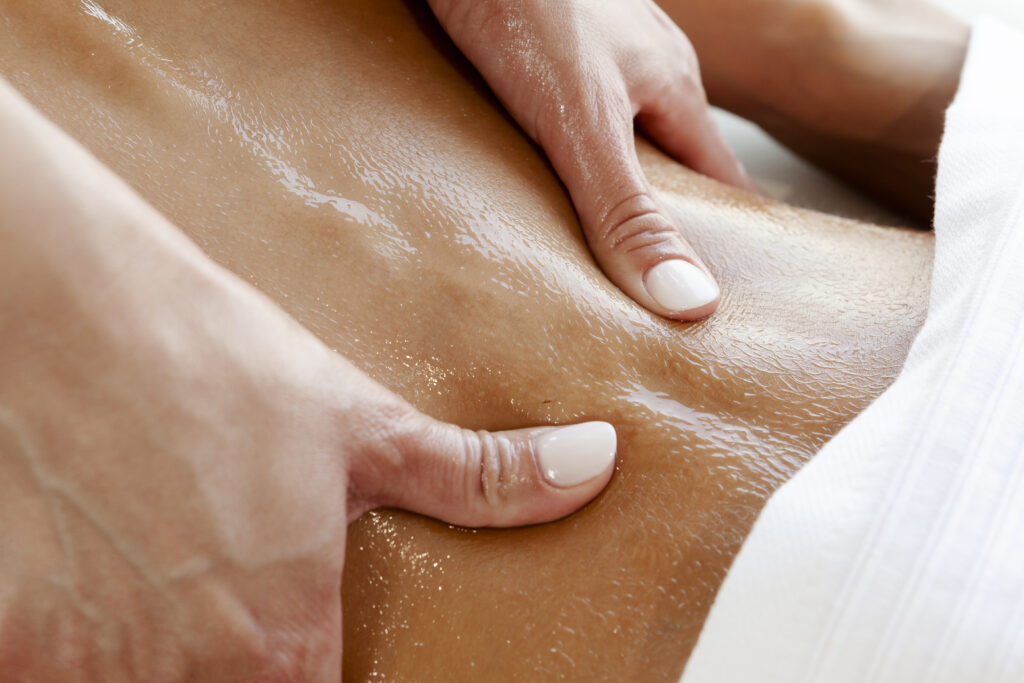
Abhyanga is a traditional Ayurvedic practice within the types of massages, using warm herbal oils to nourish the skin and calm the mind. This treatment supports grounding and deep relaxation through rhythmic, soothing strokes.
This technique can also offer meaningful wellness benefits, including:
- Nourishes the skin with warm herbal oils
- Promotes deep relaxation and grounding
- Supports parasympathetic (rest and digest) response
- Ideal for reducing stress and balancing energy
18. Myofascial Release
Myofascial Release is a therapeutic technique within the types of massages, focusing on fascia — the connective tissue that surrounds muscles. A study showed that this technique correlates with improvements in posture, mobility, and long-term pain relief.
Many clients experience noticeable wellness improvements from this massage, such as:
- Helps improve posture and range of motion
- Releases chronic tension stored in fascia
- Supports long-term mobility and flexibility
- Ideal for individuals with chronic stiffness or pain
Frequently Asked Questions (Richer, Fact-Based)
What massage is best for chronic pain?
Deep tissue massage, myofascial release, and trigger point therapy tend to be the most effective for chronic pain. Research suggests that deep tissue techniques may decrease muscle density and improve blood flow in chronically tense areas, helping reduce long-term pain intensity.
Can massage help reduce stress?
Yes. Studies show that even a single session of Swedish massage can lower cortisol levels and increase serotonin and dopamine. Regular massage supports the parasympathetic nervous system, helping the body shift from a stress state to relaxation more easily.
How often should I get a massage?
For general wellness, every 2 to 4 weeks is typical. For chronic pain, weekly sessions may offer faster improvement, especially during flare-ups. Athletes may benefit from sessions tailored around training cycles or competition periods.
What massage is best for improving flexibility?
Thai massage, sports massage, and myofascial release are widely used to improve joint mobility. Thai massage includes dynamic stretching similar to assisted yoga, which research shows can significantly increase functional flexibility.
Is aromatherapy massage effective or just relaxing?
Aromatherapy massage is both therapeutic and relaxing. Certain essential oils, such as lavender, citrus, and bergamot, have documented effects on reducing anxiety and supporting mood balance. When combined with touch therapy, their effects can be enhanced.