Are you searching for a way to break through exhaustion and stagnant growth in your massage business? The answer lies in adopting a Premium Massage Treatment Protocol. You are booked three weeks out. Your clients rave about your hands. You know your anatomy, and your massage technique is solid.
Yet, at the end of the month, the numbers in your bank account don’t reflect the exhaustion in your body.
By shifting to a Premium Massage Treatment Protocol, you create a structured, results-driven client experience that not only showcases your expertise but also leads to greater client retention and increased revenue.
This is the “expert’s plateau.” It is a common frustration for advanced therapists who have mastered their craft but haven’t mastered their business model. You don’t need another continuing education course on deep tissue or myofascial release. To break through your income ceiling, you need to shift your focus from what you do with your hands to how you design the entire client experience.
Now is the time to transition from improvisational methods to a refined Premium Massage Treatment Protocol. Embracing a structured approach unlocks increased revenue, elevates client retention, and reduces professional fatigue.

Why Advanced Therapists Hit Income Ceilings
The biggest myth in the massage industry is that better technique equals more money. While skill is the price of entry, it is not the primary driver of high-ticket revenue.
Many talented bodyworkers hit a financial wall because they are trading time for money in a way that is physically unsustainable. You charge by the hour, and there are only so many hours you can work before your body quits. When you reach capacity, your income caps out.
Without a strategic massage treatment structure, sessions can be perceived as a luxury rather than an essential therapeutic service. When clients schedule appointments solely in response to discomfort instead of following a tailored treatment plan, revenue becomes unpredictable. Unlocking greater value from your existing hours starts with deliberate positioning and a more intentional approach.
Technique Skill vs. Session Architecture
There is a profound difference between being a great technician and being a clinical architect.
Technique skill is your ability to release a trigger point or mobilize a joint. Session architecture is the framework in which that skill is delivered.
When you rely solely on technique, you often find yourself improvising. You ask the client “what hurts,” you work on that area, and the hour ends. This reactive approach keeps you in the role of a service provider.
A Premium Massage Treatment Protocol is built on intentional, advanced session design. This structured approach determines the session’s progression, energy, and therapeutic outcomes. By strategically organizing each phase, you elevate your role from service provider to clinical guide, offering clients a seamless and highly professional experience from start to finish. This enhanced authority is foundational to positioning yourself confidently in the premium tier of your field.
The 5-Phase Premium Session Structure
To truly elevate your practice, shift your focus from offering “60 minutes of massage” to delivering a fully structured therapeutic experience using a Premium Massage Treatment Protocol. According to studies, implementing a thoughtfully designed Premium Massage Treatment Protocol not only creates consistent value and measurable results for clients but also strengthens your professional standing in the marketplace. Research shows that structured, client-centered massage practices—especially those that follow a Premium Massage Treatment Protocol—are linked with improved outcomes and higher client satisfaction. Other studies have found that consistent session frameworks, like the Premium Massage Treatment Protocol, are associated with increased client trust and retention rates in therapeutic settings. Furthermore, evidence suggests that strategic session sequencing—rather than intensity alone—as seen in a Premium Massage Treatment Protocol, can lead to better musculoskeletal pain relief and patient-reported outcomes. Let’s see what this looks like in practice with a few research-backed steps you can take:
1. Controlled Intake
The treatment begins the moment the client walks through the door. A controlled intake is not just casual chitchat. It is a strategic assessment where you establish leadership. Instead of asking, “What do you want to do today?”, ask specific questions about how their body has responded since the last session. This sets a clinical tone and demonstrates that you are tracking their progress, not just rubbing their shoulders.
2. Nervous System Down-Regulation
You cannot perform deep, corrective work on a body that is in a sympathetic (fight or flight) state. The first 10-15 minutes must focus strictly on down-regulating the nervous system. This might involve breathwork, craniosacral holds, or broad, rhythmic compression. By prioritizing the nervous system first, you prepare the tissue to accept deeper work later without guarding.
3. Targeted Therapeutic Work
This is where your advanced skills shine. Because you have properly prepared the nervous system, you can now enter the “fix it” phase with precision. Focus on the specific complaints identified during intake. This phase should be intense but focused—avoiding the “buff and polish” approach of general spa massage in favor of specific outcome-based modalities.
4. Integration Phase
After targeted work, the body needs to integrate the changes. Abruptly ending a session after deep tissue work leaves the nervous system jarringly alert. The integration phase involves connecting the treated areas back to the rest of the body using long, integrating strokes or rocking techniques. It signals the brain that the “work” is done and safety has been restored.
5. Strategic Clinical Close
Never let a session fizzle out. The close must be as intentional as the intake. This involves a distinct ending signal (like a final hold or hot towel) followed by a post-session consultation. Do not ask, “How was it?” Instead, state what you found, explain how the body responded, and prescribe the exact timing for the next session. This is where client retention for massage therapists is secured—not by hope, but by professional recommendation.
How Structure Increases Retention?
Clients crave leadership. When they feel that you have a plan for them, trust increases. A structured protocol reduces the anxiety of “will this work?” because the client can feel the intentional progression of the session.
When you operate with a clear protocol, rebooking becomes a natural part of the treatment flow. You aren’t “selling” a next appointment; you are simply scheduling the next phase of their protocol. This subtle shift is the key to how you increase massage revenue without feeling salesy. Clients who trust the process stay longer, rebook faster, and refer high-quality leads.
Environmental Control as Part of Treatment Design
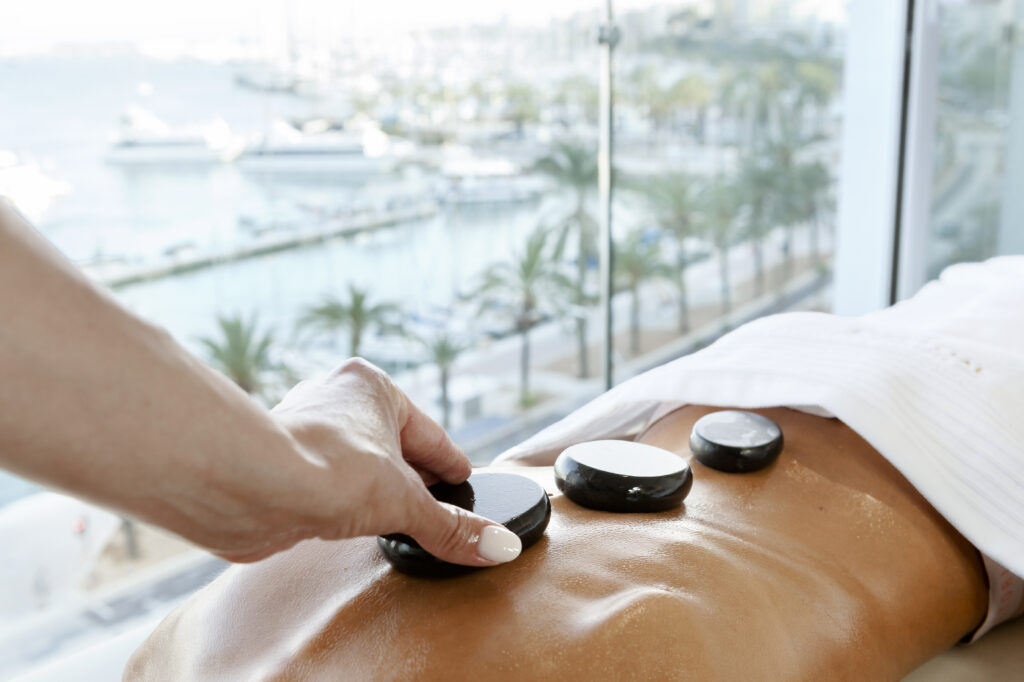
Your treatment room is not just a backdrop; it is a therapeutic tool. Every sensory input—lighting, sound, temperature, and scent—should support the phase of the protocol you are in.
Does your music tempo match the nervous system down-regulation phase? Is the lighting adjusted during the integration phase? Advanced therapists curate the environment to reinforce the physiological goals of the session. When a client feels that even the room “understands” their needs, the perceived value of the service skyrockets. This is a critical component of transitioning from a mid-range therapist to a premium practitioner.
Common Mistakes Blocking Revenue
Even skilled therapists sabotage their growth with these common errors:
Many therapists regularly over-deliver on time, running ten minutes past the scheduled end and inadvertently undermining their own boundaries and the perceived value of their service. Consistency is another challenge; when one session feels polished and the next seems improvised, clients can lose trust. It is essential to provide a reliably high level of experience. Allowing clients to direct the session by frequently asking, “Is the pressure okay?” disrupts the flow and diminishes your professional role. Mastery is about reading the tissue, adjusting your technique as needed, and confidently leading the experience. Finally, an attempt to resolve every possible issue in a single session, especially chronic full-body pain, is unrealistic and produces subpar results. Instead, focus on specialized, targeted protocols that achieve meaningful outcomes and naturally warrant follow-up appointments.
Why Sequencing > Intensity
Many bodyworkers believe that to charge more, they must work harder. They think deep pressure is the only value metric. The truth is that sequencing is far more valuable than intensity.
Knowing when to apply pressure is more important than how much pressure to apply. A protocol that correctly sequences nervous system safety before deep structural work achieves results that brute force never can. Clients feel the difference between being “worked on” and being “treated.” They pay a premium for the intelligence of the sequence, not the sweat on your brow.
Frequently Asked Questions
What is a Premium Massage Treatment Protocol?
A Premium Massage Treatment Protocol is a structured approach to designing massage sessions, ensuring every phase—from intake to clinical close—is intentional and tailored to maximize client outcomes and retention.
How does session structure improve client retention?
Structured sessions build trust and create a consistent, professional experience. When clients perceive a clear plan and clinical leadership, they are more likely to rebook and commit to ongoing care.
Can adopting a protocol help increase my rates?
Yes. Protocols position you as a specialist rather than a commodity provider. As perceived value rises through strategic treatment planning, clients are more willing to invest in your expertise at higher rates.
Do I need to completely change my techniques?
No. The focus is on integrating your existing advanced techniques within a thoughtfully structured session, not replacing skills you already have. Structure enhances the value and impact of your current expertise.
How can I start transitioning to a protocol-based practice?
Begin by mapping out the five phases—controlled intake, nervous system down-regulation, targeted work, integration, and clinical close—and gradually incorporate these steps into each session. Communicate the benefits to clients, and remain consistent to establish trust and authority in your practice.
Meta Title: Premium Massage Treatment Protocol: Structure Sessions for Revenue
Meta Description: Learn the 5-phase Premium Massage Treatment Protocol to increase client retention, boost revenue, and position yourself as a clinical authority.