
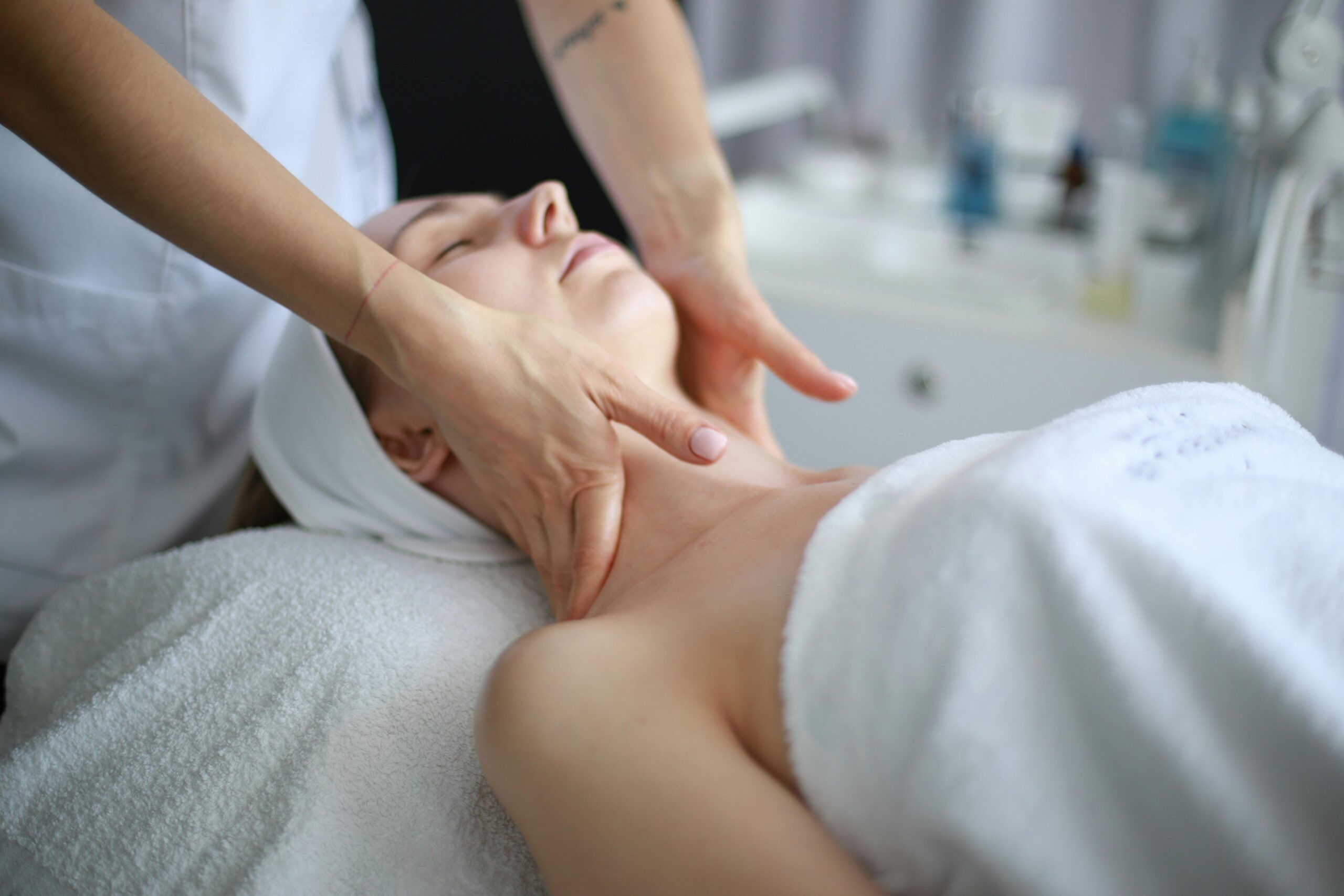
The most memorable premium massage experience begins with emotional comfort, thoughtful treatment flow, and a calming environment. But how do advanced massage therapists actually create that feeling from the moment a client walks through the door? A true premium massage experience is shaped through nervous system regulation, sensory comfort, seamless transitions, and the ability to make clients feel deeply safe, relaxed, and cared for throughout the entire session.
Let’s explore the elements that transform a massage into a truly restorative wellness experience.
What Creates a Premium Massage Experience?

Outstanding bodywork forms the foundation of any spa-level treatment. However, clients rarely remember the specific muscle groups you addressed. Instead, they remember how they felt emotionally and physically during their time with you.
An advanced massage therapist centers the session around nervous system regulation and emotional safety. When a client walks into your space, their body often operates in a fight-or-flight state driven by chronic stress. The experience starts long before touch begins. Your environment, tone of voice, and pacing all signal to the client’s brain that they are safe to relax.
Key elements of a premium massage experience include:
- calm communication
- sensory comfort
- smooth treatment flow
- personalized care
- consistent follow-up
1. Create Calm Before the Treatment Begins
The Consultation Is Part of the Treatment
A rushed intake creates a rushed session. Use the pre-session consultation as the first step in nervous system relaxation. Slow down your pace. Use a warm, steady tone of voice and maintain gentle eye contact when your client speaks. This deliberate pacing signals that you have dedicated this time entirely to them. Make clients feel heard by repeating their concerns back to them. Avoid projecting rushed energy, even if you are running slightly behind schedule. The moments you spend establishing a calm, grounded connection set the trajectory for the entire massage.
Emotional Comfort Builds Trust
Clients relax faster when they feel emotionally safe. Trust forms the core of nervous system safety. Many clients experience subtle anxiety when undressing and receiving bodywork, especially during their first visit. First impressions matter deeply here. Prioritize your energetic presence over performance. When you show up as a grounded, attentive professional, the client’s nervous system mirrors your calm state.
2. The Treatment Room Supports Nervous System Relaxation
Lighting, Temperature, and Sound
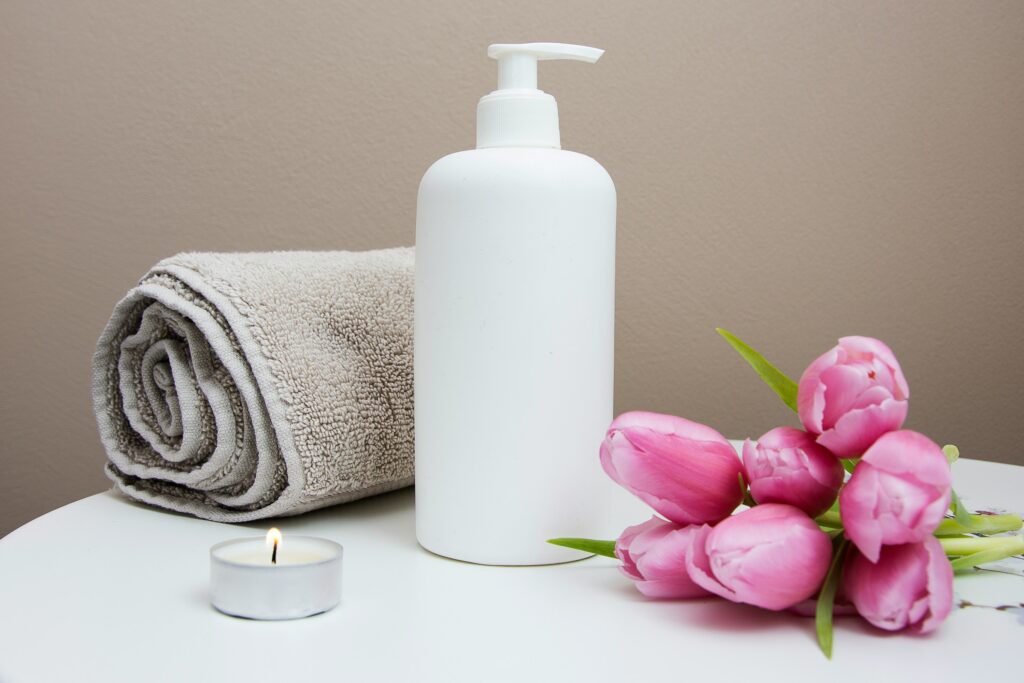
Your treatment room acts as the container for the massage. Warm, indirect lighting immediately soothes the eyes and signals rest. Keep the room comfortably warm, as the body’s core temperature drops during deep relaxation. Scent provides a direct pathway to the brain’s emotional center. Use subtle, high-quality aromatherapy rather than overwhelming synthetic fragrances. Ensure your room presentation remains impeccably clean and organized. Finally, curate soft, ambient soundscapes rather than looping repetitive or distracting tracks.
Sensory Details Shape the Experience
Sensory wellness defines luxury. Every physical object your client interacts with should feel intentional. Offer high-quality, generously sized towels. Present them neatly folded. Use heated tables to melt away initial muscle tension before you begin your work. These subtle details create a calming environment that makes the client feel completely enveloped in care.
3. Maintain Seamless Treatment Flow
Smooth Transitions Create Deeper Relaxation
Abrupt movements pull a client out of a deeply relaxed state. Smooth transitions are a hallmark of a spa-level treatment. Avoid interruptions like dropping bottles, loudly clicking lotion pumps, or suddenly breaking contact. Maintain continuity of touch whenever possible. When moving from the back to the legs, keep one hand gently resting on the client to anchor them. Master your towel handling so draping feels secure, swift, and practically invisible to the client. A steady treatment rhythm allows the mind to drift. Remember, small details matter.
Consistency Helps the Body Relax
Pacing sets the tone for muscular release. Moving with confidence communicates expertise through your hands. When you apply strokes with calm energy and predictable pressure, the client’s brain stops anticipating what will happen next. This predictability allows the muscular system to let go of defensive guarding.
A few habits that improve treatment flow:
- keep tools within easy reach
- reduce unnecessary noise
- maintain consistent draping
- avoid breaking contact without reason
4. Personalize the Entire Session
Read the Body’s Response
A cookie-cutter routine cannot deliver the standard expected from an advanced massage therapist. Adapt your pressure based on the individual’s tissue response, observe how the body reacts and always ask clients about pressure intensity. Excellent communication involves reading body language.
Customize the Details
Customization extends beyond pressure adjustments. Offer aromatherapy preferences at the start. Adjust your focus areas based on specific daily activities or posture habits. Modify your pace to match their wellness goals. A client seeking deep emotional release requires a much slower, heavier pace than an athlete preparing for a major event.
5. Prioritize Silence and Presence
Relaxation Requires Space
Excessive talking can overstimulate a client’s nervous system. Silence serves as a vital component of luxury. Once you establish the treatment plan and confirm pressure, allow the room to grow quiet. Give the client permission to check out entirely. A calm therapist presence provides a safe container for the client to process stress, fall asleep, or simply exist without the demand of social interaction.
Presence Changes the Energy
Your internal state directly influences your client. Mindfulness is a professional requirement. Grounded touch requires you to stay mentally present with the tissue beneath your hands. Emotional regulation on your part is essential. If you work while feeling scattered, frustrated, or rushed, your hands will transmit chaotic energy. Cultivating your own calm directly elevates the massage.
6. Understand the Psychology of Client Loyalty
Clients Return for the Feeling
Massage client loyalty stems from emotional memory. Clients rebook because of the overwhelming feeling of being cared for and physically safe. Consistency builds this trust. If a client receives an incredible massage on Tuesday, they expect that exact same level of care and attention when they return a month later.
Small Details Create Loyalty
Long-term loyalty thrives on the small details. Remembering their specific preferences, like a favorite essential oil or a tender shoulder, shows that you view them as an individual. Professionalism extends to the end of the appointment. A calm checkout experience, free from aggressive upselling or rushed rebooking demands, preserves the relaxed state you just worked so hard to create.
This is where strong massage rebooking strategies and a thoughtful client experience system can support long-term business growth.
7. Continue the Care After the Session Ends
Grounding the Client
The transition back to reality requires as much care as the massage itself. Offer fresh water immediately. Guide slow transitions by telling the client to take their time getting off the table. Provide brief, practical aftercare recommendations to help prolong the benefits of the session. Helping clients re-enter the world slowly prevents the jarring shock that can undo an hour of nervous system relaxation.
Follow-Up Creates Professionalism
A structured follow-up process distinguishes a premium therapist. Send a brief message a day or two later to check on their recovery, especially if you performed deep structural work. Offer wellness recommendations tailored to their specific muscular issues. Suggest future treatments based on their ongoing goals to show that you are invested in their long-term health.
Helpful follow-up practices include:
- a short check-in message within 48 hours
- personalized home care advice
- notes on pressure and focus area preferences
- a simple invitation to book the next session
Why the Premium Experience Matters
We are navigating a widespread stress epidemic. Burnout rates remain high, leading to chronic nervous system dysregulation across the general population. People no longer view massage simply as an occasional treat to work out a stiff neck. Clients actively seek emotional recovery and physical regulation. Consumers want environments that offer a complete sanctuary from their daily lives. By providing a true premium massage experience, you position yourself as a crucial partner in your clients’ ongoing mental and physical health.
FAQ’S
The most important factor is the client’s emotional and physical comfort. While excellent technique is essential, the way you make the client feel through a calm environment, smooth transitions, and a grounded presence truly defines the experience.
How can I make my treatment room feel more luxurious?
Focus on engaging the senses naturally. Use warm, indirect lighting, keep the room comfortably warm, play soft ambient sounds, and use high-quality linens. Subtle, natural aromatherapy can also help calm the nervous system quickly.
Why is silence so important during a massage?
Silence allows the client’s nervous system to fully disengage from the demands of social interaction. Once you confirm the treatment plan and pressure, keeping the room quiet helps the client reach a deeper state of mental and physical relaxation.
How do I know if my pressure is correct without constantly asking?
Pay close attention to the client’s body language. If their breathing becomes shallow, they hold their breath, or their muscles flinch and guard against your touch, the pressure is too intense. Rely on your palpation skills to feel when the tissue yields.
Should I follow up with clients after their appointment?
Yes. Sending a brief follow-up message a day or two after the session shows a high level of professional care. Checking in on recovery and offering tailored aftercare advice builds trust and supports long-term client loyalty.