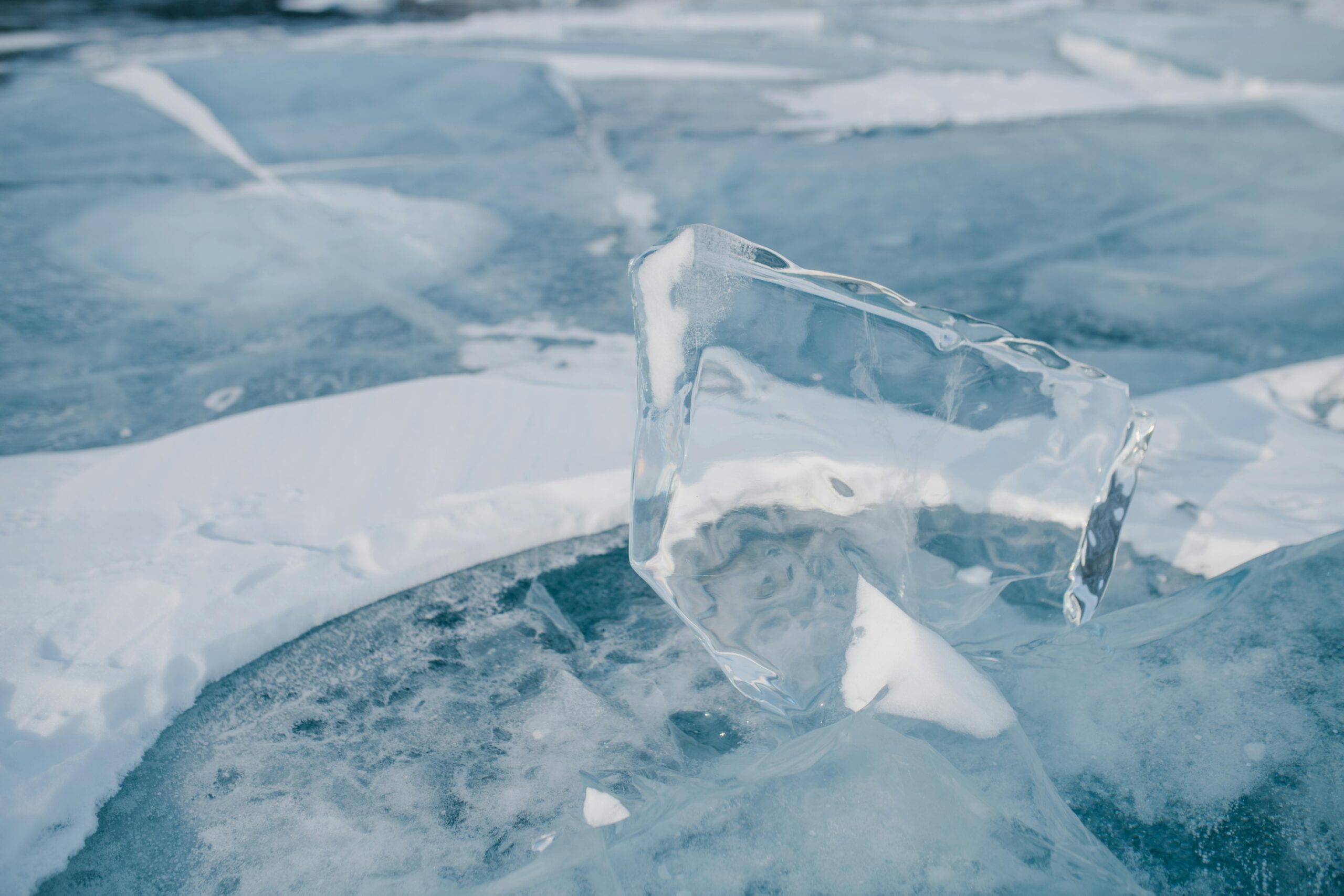
An ice bath, also called cold plunge therapy, involves immersing your body in very cold water—usually around 50°F (10°C)—for a short time, typically just 2 to 3 minutes. This sudden exposure to cold triggers your body’s natural responses, like the fight-or-flight reaction, which can have powerful effects on your recovery and overall well-being. So grab a towel, take a deep breath, and let’s explore what a cold plunge can do for you.
The Science of Cold Plunges in Athletic Recovery – Is It Really Working?
You’ve probably heard mixed opinions about the benefits of a cold plunge. Some claim they’re a must-have for recovery. Others say the hype isn’t justified. The truth? Cold plunge therapy can work — but its effectiveness depends on a few key factors.
Let’s See the Evidence.
The basic science behind cold plunging is pretty straightforward. When you expose your body to cold water, it lowers your skin, muscle, and core temperature. This cooling effect causes your blood vessels to constrict (a process called vasoconstriction), which can help reduce blood flow to muscles temporarily. That reduction in circulation may help decrease acute inflammation, limit muscle damage, and manage swelling — especially after intense physical exertion.
According to research made on 23 professional rugby athletes, ice baths have been shown to provide several short-term recovery benefits. These include improvements in neuromuscular performance (like jumping and sprinting), enhanced perception of recovery, reduced delayed onset muscle soreness (DOMS), and lower levels of creatine kinase (CK) — a key marker of muscle damage.
Additionally, more research found that ice baths helped semi-professional mixed martial arts (MMA) fighters recover after a simulated match by reducing perceived soreness, cortisol (a stress hormone), and fatigue — all while maintaining explosive performance, such as jumping ability. The investigation explored how cold-water immersion affected structural, inflammatory, and physiological stress biomarkers in athletes, compared to passive recovery, following a high-intensity fight preparation session.
What Is the Wim Hof Method?
Created by Wim Hof—often called “The Iceman”—the Wim Hof Method is a practice that blends controlled breathing, cold exposure, and mental focus through meditation and visualization. People who follow this method often report benefits like higher energy levels, better sleep, reduced stress, a stronger immune system, sharper focus, and greater willpower.
Health Benefits of Cold Plunge Therapy
Regular cold plunges can enhance physical recovery, boost metabolism, and provide mental clarity. Here are some specific health benefits.
1. Muscle recovery and Inflammation
Cold plunge therapy is a go-to recovery method for many athletes—and for good reason. By exposing your body to freezing temperatures after exercise, you can reduce inflammation and ease muscle soreness. It works by narrowing blood vessels and slowing the release of inflammatory substances. According to research in the International Journal of Sports Medicine, cold water immersion significantly lowers markers of muscle damage and inflammation, helping you recover more quickly between workouts (Mawhinney et al., 2017).
2. Enhanced Immune System and Well-being
Cold water exposure activates the sympathetic nervous system, leading to an enhanced immune response. This activation releases epinephrine, which helps regulate immune functions and boost overall resilience. The Wim Hof Method, which incorporates cold exposure and breathing exercises, is a well-known technique for enhancing immune resilience.
Cryostimulation, a form of cold therapy, primarily aims to provide anti-inflammatory and pain-relieving effects, further supporting immune health. By regularly engaging in cold plunge therapy, you can strengthen your immune system and improve your body’s ability to fight off illnesses.
According to a 2025 study, cold-water immersion temporarily increases inflammation but significantly reduces stress after 12 hours, improves sleep quality and quality of life, and may lower sickness absence over the long term. However, it does not significantly affect mood.
3. Mental Health and Stress Reduction
Cold plunge therapy has been shown to reduce the stress hormone cortisol, promoting relaxation and reducing overall stress levels. The practice can also increase baseline dopamine levels, which helps improve overall mood and mental health.
A study from Virginia Commonwealth University suggests that exposure to cold water may ease symptoms of depression and anxiety by influencing how the brain responds to stress (Shevchuk, 2008).
Research suggests that cold-water immersion (CWI) alone can improve mental health and shorten the duration of upper respiratory tract infections (URTIs). Still, when combined with a specific training program (STP) that includes breathwork, these benefits are enhanced, indicating greater improvements in mental well-being, reduced somatic complaints, and stronger immune function.
4. Support Weight Loss
A 2019 study in Biology (Basel) found that cold exposure may help activate brown fat (brown adipose tissue), which plays a key role in burning energy. This activation can boost your metabolism, improve how your body handles blood sugar, increase insulin sensitivity, and support healthier fat processing—all of which may contribute to weight loss.
5. Promote Anti-aging
According to a 2025 study, cold water therapy may help you improve your physical and mental well-being by supporting heart and metabolic health, reducing inflammation, strengthening your immune system, enhancing sleep, and speeding up recovery after exercise. It also triggers the release of stress hormones, endorphins, and catecholamines—boosting your mood and alertness—which could support your mental health and make cold exposure a simple, natural way to promote healthy aging and extend your healthspan, although more research is still needed.
Cold Plunge: Ideal Duration and Frequency
If you are a beginner, it’s advisable to start with cold plunge sessions lasting 30 seconds to one minute. As you become more comfortable and acclimated, you can gradually increase the duration to three to five minutes. A duration of three minutes is a good benchmark for most cold plungers, providing ample time to reap the benefits without overwhelming your body.
Breathing Techniques For Your Cold Plunge
Controlled breathing techniques are essential for alleviating cold shock and promoting relaxation during cold plunges. Before entering the cold plunge, take a few moments to practice deep, steady breaths. This can help prepare your body and mind for the cold exposure, making the experience more manageable.
Incorporating breathwork during the plunge can further mitigate shock and improve the overall experience. Focus on slow, controlled breathing to maintain a calm state and enhance the benefits of cold water therapy.
Frequently Asked Questions
What is cold water therapy?
It’s exposing your body to cold water through baths, showers, or plunges to boost health.
How can it improve my health?
It may improve heart health, reduce inflammation, boost immunity, aid sleep, and speed recovery.
Does it help mental health?
Yes, it releases hormones that can improve mood and alertness.
How long and cold should it be?
Short exposures to cold water seem most beneficial, but exact times and temperatures vary.
Can it help with weight loss?
It may activate brown fat, which can increase calorie burning.