Before the day begins asking things from you, there is a small window of time when everything is still quiet. This moment matters more than most people realize.
Self-care does not begin when the day is already full. It begins before the world shapes your nervous system for you — before notifications, responsibilities, conversations, and expectations start pulling your attention outward. One of the most powerful self-care decisions you can make is to protect this early space and intentionally choose how you want to feel before the day unfolds.
Waking up a little earlier. Stepping outside for a short walk, ideally among trees or natural light. Slowing your breath. Allow your body to feel grounded before stimulation takes over. This is not about discipline or productivity. It is about regulation.
When the nervous system feels safe early in the day, everything that follows feels different. Your breath deepens. Your body softens instead of bracing. Your thoughts become clearer. You begin the day with intention rather than reaction. You remove what you do not need — mental noise, emotional clutter, unnecessary pressure — and you create space for clarity.
This is where self-care becomes foundational, guided from within rather than shaped by external demands.
Self-Care in Modern Health and Wellness

For many years, self-care was misunderstood as indulgence. Today, it is increasingly recognized as a core pillar of health and wellness. Modern life places continuous demands on the nervous system, often keeping the body in a state of subtle alertness. Over time, this state affects sleep, digestion, emotional balance, skin health, and overall vitality.
True self-care supports the body’s natural ability to regulate itself. It works with the nervous system rather than trying to override it. Practices that calm the body, engage the senses, and encourage presence allow the system to reset and recover.
This shift reflects a broader movement toward integrative wellness, where mental well-being, physical health, and emotional resilience are no longer treated as separate experiences but as interconnected aspects of the same system.
Nervous System Regulation as the Foundation of Self-Care
Stress is not only an emotional experience; it is a physiological state. When the body perceives pressure, stimulation, or threat, the sympathetic nervous system becomes dominant. This is the familiar fight-or-flight response. While useful in short bursts, it becomes exhausting when activated continuously.
Nervous system regulation involves gently guiding the body back toward balance by activating the parasympathetic nervous system, which supports rest, repair, digestion, and emotional regulation. When this system is engaged, the body can recover more efficiently, thoughts become less reactive, and emotional responses feel steadier.
Effective self-care does not require complex routines. It requires consistency, simplicity, and intention.
Breathwork as Accessible Self-Care
Breath is one of the most immediate tools we have to influence our internal state. In a digitally overstimulated world, breathing practices offer an analog way to slow down and reconnect.
When breathing becomes shallow and rapid, the nervous system remains on alert. Slow, intentional breathing interrupts this cycle. Techniques such as diaphragmatic breathing or box breathing activate the parasympathetic response, supporting relaxation, emotional regulation, and mental clarity.
Even a few minutes of slow, deep breathing can shift the body from tension to calm. This makes breathwork one of the most accessible forms of self-care, requiring no equipment and no special setting. It can be practiced at home, outdoors, at work, or during moments of emotional intensity.
Over time, consistent breath awareness helps the body recognize safety more easily, reducing the intensity of stress responses and improving overall resilience.
Emotional Balance, Mental Wellbeing, and Self Care
Mental wellness is deeply influenced by the state of the nervous system. When the body feels supported, emotional regulation improves naturally. Self-care practices that work through the body — such as breathing, touch, and sensory rituals — offer a gentle, non-verbal way to support mental wellbeing.
These practices are especially valuable because they are inclusive and adaptable. They do not require explanation, labels, or prior experience. They meet people where they are and support regulation quietly, through felt experience.
A calm nervous system supports clearer decision-making, emotional resilience, and the ability to adapt to daily challenges with greater ease.
The Mind–Body–Skin Connection in Self Care
The connection between emotional states, physical health, and appearance is becoming increasingly recognized in holistic wellness. Stress does not remain confined to the mind; it influences hormonal balance, immune response, circulation, muscle tone, and skin health.
This relationship is explored in psycho-dermatology, which examines how psychological and physiological states interact to shape skin conditions and overall well-being. Emotional stress has been associated with changes in skin immunity, inflammation, and premature aging, reinforcing the importance of stress regulation as part of holistic self-care.
As Professor Laurent Misery, Head of the Department of Dermatology at the University Hospital of Brest in France, explains:
“Did you know that the brain and skin have the same embryonic origin? Skin and brain form at the same time on day 21 of the embryo, with the outermost part of the embryo — the ectoblast — giving rise to the nervous system and the epidermis. Your skin is, therefore, a sort of extension of the brain. Its nerve architecture is extremely complex, with no less than 800,000 neurons, 11 meters of nerves, and around 200 sensory receptors per cm³. This connection makes it impossible to dissociate the psychic realities that each of us undergoes daily from the physical ones concerning our skin.”
This shared origin helps explain why calming the nervous system can influence both how we feel and how we look.
Essential Oils and Sensory Self-Care Rituals
Scent has a direct pathway to the emotional centers of the brain. This is why certain aromas instantly evoke calm, comfort, or familiarity. Aromatherapy uses this connection to support emotional balance and sensory regulation.
In self-care rituals, essential oils can be used to enhance relaxation, create grounding routines, and support mood. Whether diffused in a room, inhaled during breathwork, or blended into massage oils, scent adds a layer of sensory safety that reinforces the nervous system’s relaxation response.
Modern self-care increasingly values products that not only deliver physical benefits but also support emotional well-being. This reflects a broader shift toward feel-good formulations and rituals that nourish both body and mind.
Massage as Human-Centered Self Care
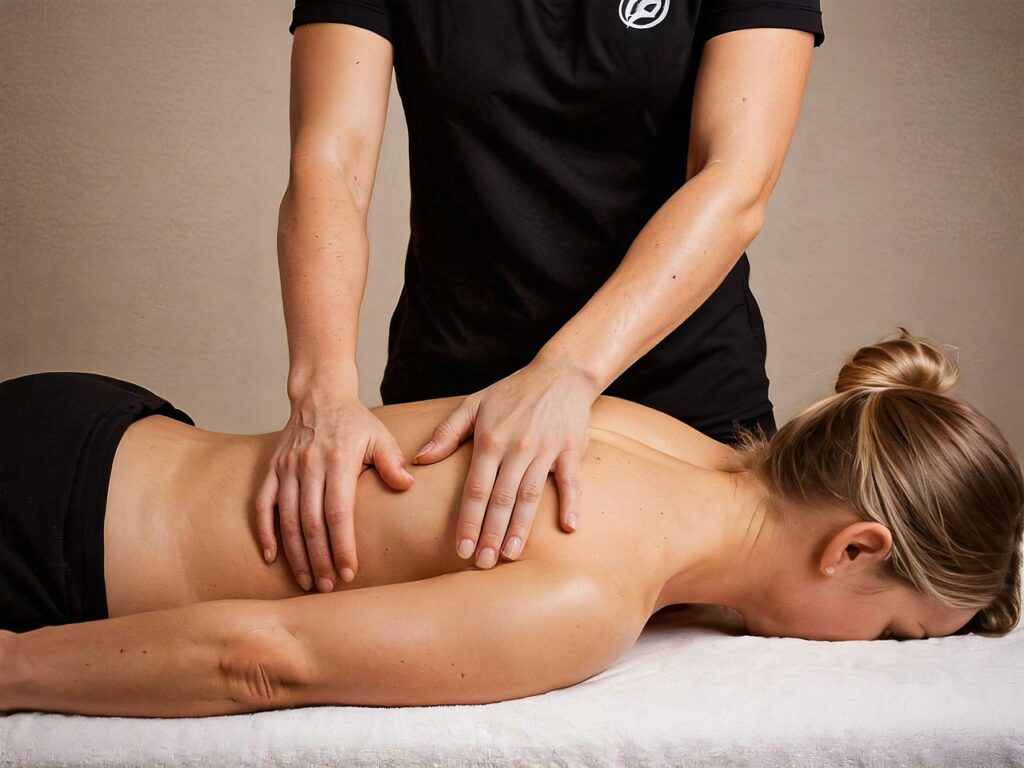
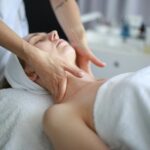
Massage is one of the most direct ways to support the nervous system through touch. Slow, rhythmic, intentional contact signals safety to the body, helping release muscle tension and encourage relaxation.
Human-centered massage adapts to individual needs rather than applying a one-size-fits-all approach. It respects comfort, presence, and responsiveness. In both professional spa settings and home rituals, massage supports circulation, lymphatic flow, and body awareness, complementing breathwork and aromatherapy.
Touch reminds the body that it is supported. This sense of safety is central to effective self-care.
Spa Aesthetic Self Care and Wellness Resort Inspiration
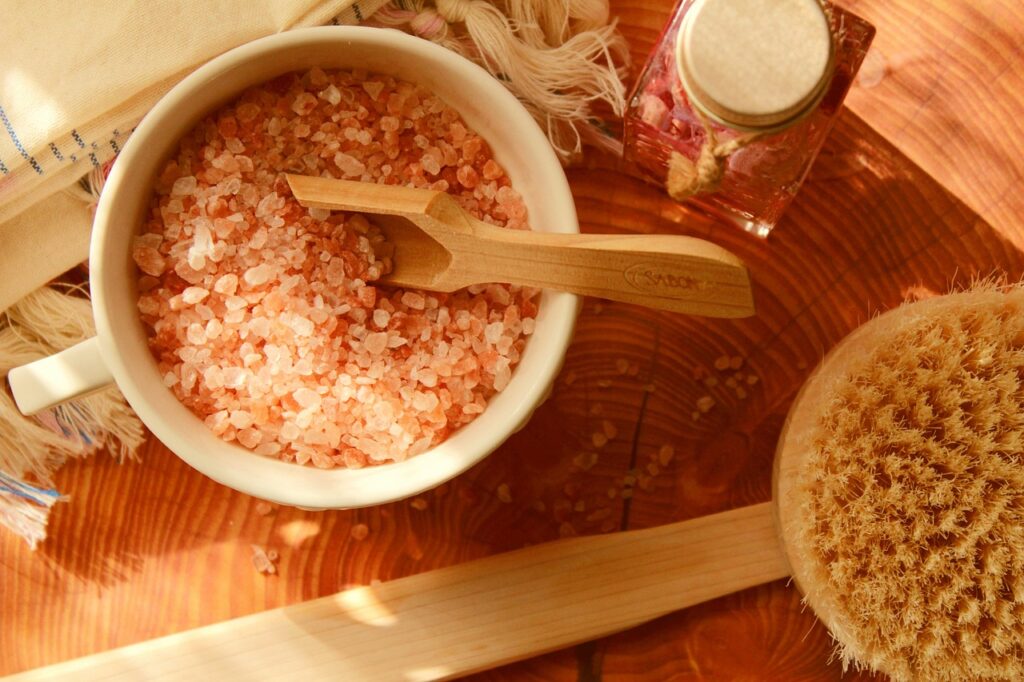
The environment plays a powerful role in nervous system regulation. Lighting, textures, scent, and sound all influence how the body responds to a space. This is why spa aesthetics and wellness resort experiences feel restorative.
You can bring this approach into everyday self-care by creating intentional rituals. Soft lighting, calming music, natural materials, and a consistent sensory atmosphere signal the body that it is time to slow down.
Whether experienced at home or during a wellness retreat, spa-inspired self-care emphasizes ritual, presence, and restoration rather than urgency or performance.
Why Self-Care Must Be Accessible
Effective self-care should not feel exclusive or overwhelming. The most powerful practices are often the simplest: breathing, touch, scent, and mindful presence.
When self-care is accessible, it becomes sustainable. Practices that support nervous system regulation can be adapted to different lifestyles, budgets, and cultural contexts, making them available to more people and more moments of daily life.
True self-care supports balance, not perfection.
A Gentle Closing Reflection
Self-care is not about escaping life. It is about learning how to meet it with steadiness, clarity, and compassion. When the nervous system feels supported, the body responds with resilience.
By integrating breath, touch, sensory rituals, and intentional space, self-care becomes a daily practice that supports health and wellness from the inside out.
Research:
Formulation Trends Driving Feel-Good Products in Self-Care Rituals
https://beautymatter.com/articles/formulation-trends-driving-feel-good-products-in-self-care-rituals
Cosmetics Business reveals the top 5 ‘Ancient Beauty’ trends of 2024 in new report
https://cosmeticsbusiness.com/cosmetics-business-reveals-the-top-5-ancient-beauty
Integrative approach to lifestyle management: Implications for public health research & practice in the context of SDG-3
https://www.ncbi.nlm.nih.gov/pmc/articles/PMC10692374/
FAQ’S
What does self-care really mean in daily life?
Self-care means creating small, intentional moments that support your nervous system, emotional balance, and physical wellbeing, especially before stress builds up.
How does nervous system regulation support overall health and wellness?
When the nervous system feels safe and balanced, the body can rest, repair, and respond more calmly, improving energy, focus, emotional resilience, and long-term wellbeing.
Can simple practices like breathing really make a difference?
Yes. Slow, intentional breathing can quickly calm the nervous system, reduce emotional reactivity, and help the body shift out of constant alert mode.
How do essential oils fit into a self-care routine?
Essential oils support self-care by influencing mood and relaxation through scent, helping create sensory rituals that encourage calm and emotional balance.
Is self-care only something you do at a spa or wellness resort?
No. While spa environments are inspiring, effective self-care can be practiced at home through breathwork, massage, sensory rituals, and intentional daily routines.