Discover the art of Gua Sha and learn to lift, sculpt, and smooth your skin with expert insights from the world’s most renowned spas.
Gua Sha (pronounced gwah-shah) may be trending, but this centuries-old practice is far more than a passing skincare craze. Rooted in Traditional Chinese Medicine, it was originally used to encourage circulation, ease muscle tension, and restore balance in the body.
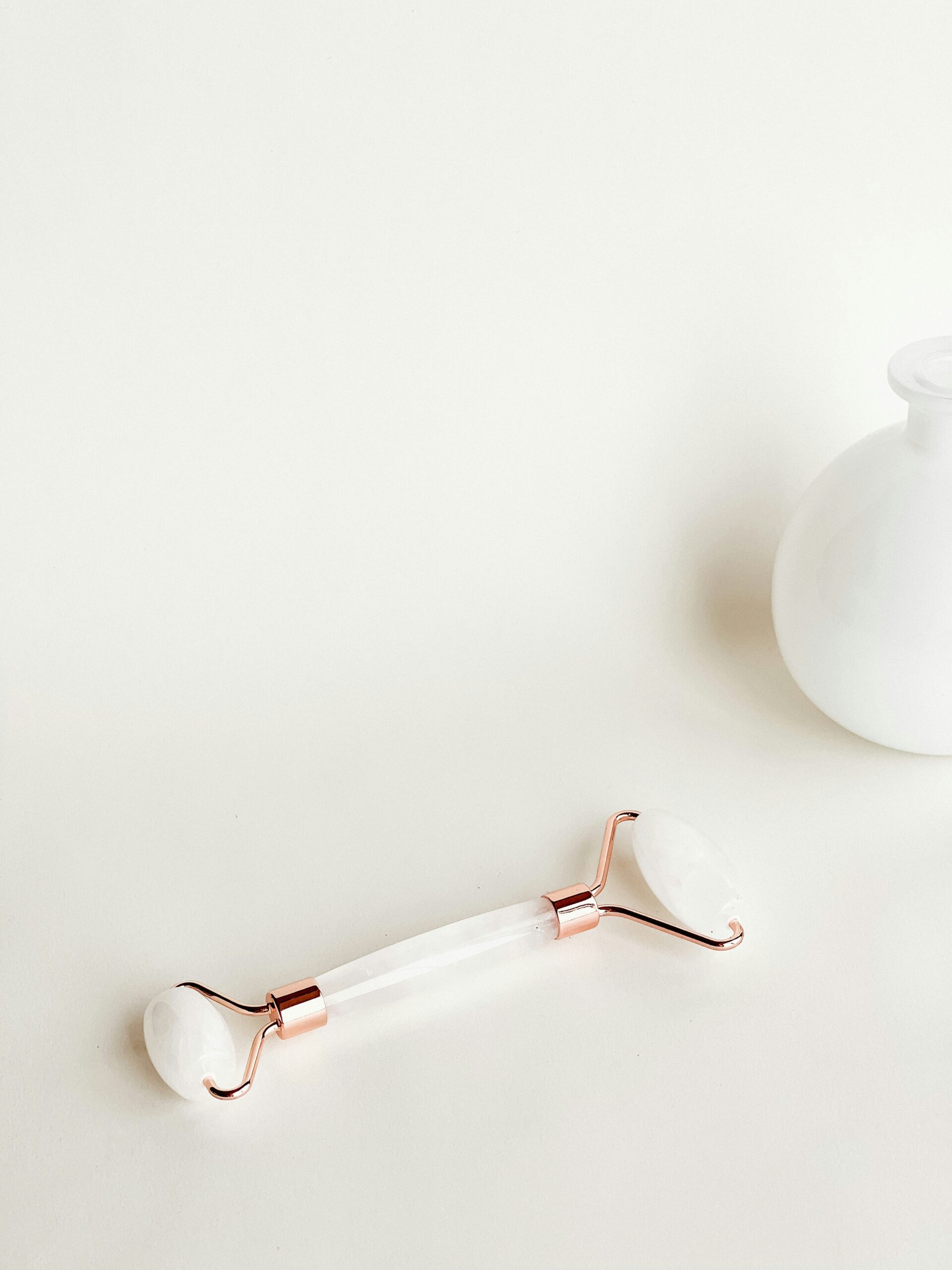
When applied to the face, a smooth-edged stone glides gently across the skin to stimulate microcirculation and support lymphatic drainage. . When used with a few drops of botanical facial oil—such as rosehip, camellia, or jojoba—the movements feel even more fluid and nourishing. The plant oils cushion the skin, allowing the tool to move effortlessly while delivering vitamins and antioxidants that enhance the treatment’s results.
Gua Sha teaches you to slow down and reconnect with your skin. Therapists at some of the world’s top spas agree that this mindful practice transforms not only how skin looks but how people feel in their own skin.
What Gua Sha Can Do for Your Skin
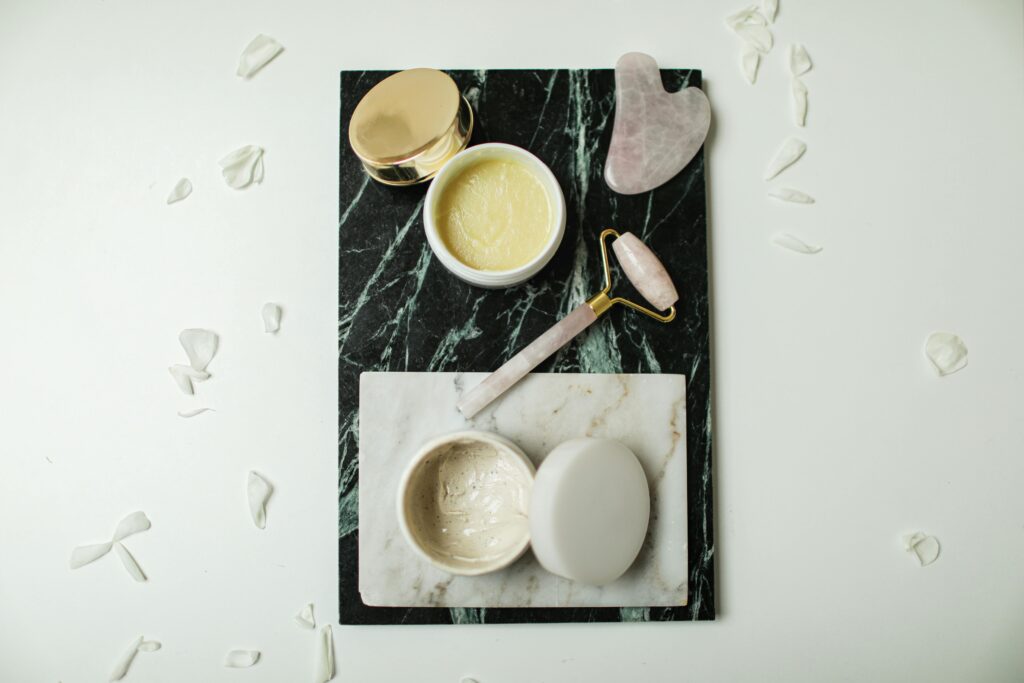
Regular practice of Gua Sha and gentle face massage techniques can help to:
- Smooth fine lines and soften expression wrinkles
- Lift and firm the skin around the jawline and cheeks
- Reduce puffiness and dark circles
- Encourage better lymphatic drainage
- Brighten dull skin and restore natural radiance
Studies have shown that Gua Sha increases local blood flow and microcirculation in the skin, while facial massage supports elasticity and muscle tone. Over time, these subtle improvements add up to a rejuvenated, more sculpted appearance.
Preparing Your Skin
Start with clean, freshly washed skin. Apply a hydrating mist or serum, then smooth on a few drops of facial oil to help the Gua Sha glide comfortably. Jojoba, squalane, or rosehip oil works beautifully.
Avoid using Gua Sha on dry skin—light slip is essential for comfort and to protect the delicate facial tissue.
Step-by-Step Gua Sha Face Massage Techniques
1. Begin at the Neck
Always open lymphatic pathways first. Place the flat edge of your tool just above the collarbone and glide downward toward the chest. Repeat 10 to 15 times on each side. This prepares the face for drainage.
2. Sculpt the Jawline
Rest the curved edge of the stone at your chin and sweep along the jawline toward the ear. Gentle, even strokes help release tension and define the lower face.
3. Lift the Cheeks
Start beside the nose and move the tool outward under the cheekbone toward the temples. Use slow, rhythmic motions to boost circulation and soften smile lines.
4. Refresh the Eye Area
Use the narrow edge under the eyes, gliding from the inner corner toward the temple. Repeat over the brow bone to reduce puffiness and lift the brows.
5. Smooth the Forehead
From the center of the forehead, glide upward to the hairline, then sweep out toward the temples. This relaxes tight forehead muscles and smooths horizontal lines.
Repeat each movement five to eight times, always finishing strokes outward or downward toward the nearest lymph node.
Combining Gua Sha with Facial Exercises
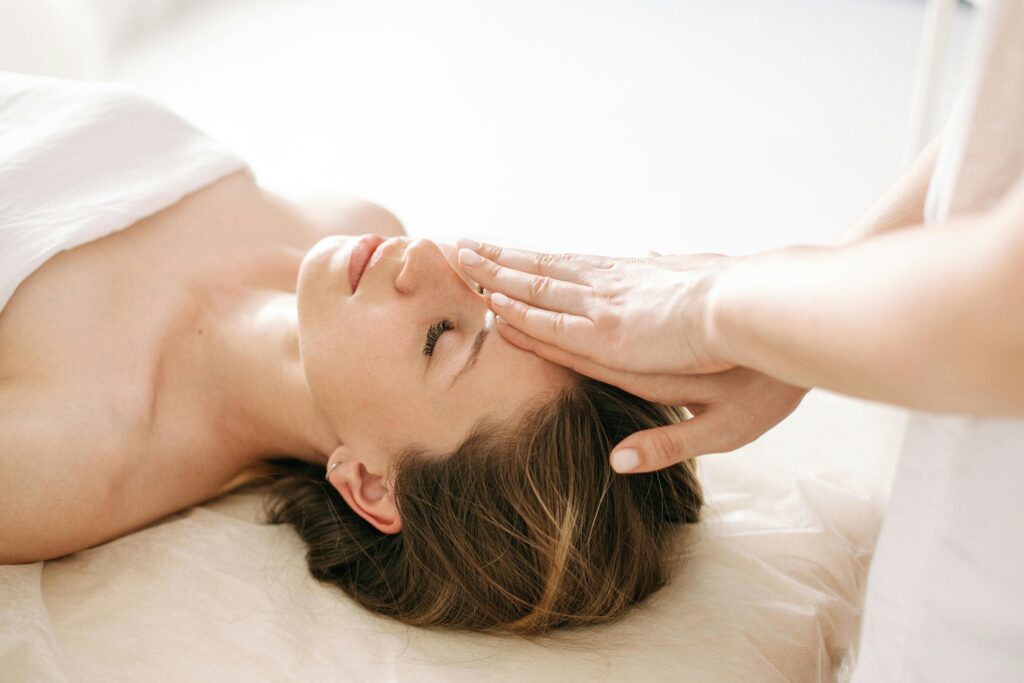
Facial exercises, or face yoga, complement Gua Sha perfectly. Simple daily movements strengthen underlying muscles and improve tone.
Try a few easy additions:
- Smile gently and lift your cheeks, holding for five seconds.
- With your tongue on the roof of your mouth, open and close your jaw slowly.
- Lift your brows and resist lightly with your fingertips to train control.
Recent studies have shown measurable improvements in muscle elasticity among those practicing face yoga consistently for several weeks.
The Eleven Lines of Gua Sha
To keep your movements consistent, imagine eleven pathways across the face and neck:
- Neck to chest
- Behind the ear to the collarbone
- Chin to ear
- Lower cheek to ear
- Mid-cheek to ear
- Upper cheek to temple
- Brow to hairline
- Forehead center to hairline
- Forehead to temple
- Jawline to ear
- Side neck to collarbone
Following this sequence ensures complete coverage and balanced results.
Mistakes to Avoid
Many people press too hard at first. Gua Sha should always feel soothing and comfortable. Remember to:
- Use light pressure
- Keep the tool almost flat against the skin
- Glide slowly, not quickly
- Avoid active breakouts or irritated skin
- Finish with moisturizer or SPF in the morning
Gentle repetition gives the best results.
Extending Gua Sha to the Body
Gua Sha isn’t just for the face. Used on the body with a nourishing massage oil, it can ease tension, encourage circulation, and calm the nervous system.
Apply oil to the neck, back, arms, and legs. With the wave-shaped edge of your tool, glide upward using light, steady pressure. Focus on tense areas and repeat as needed. Many spas include this as part of restorative treatments for its grounding, rebalancing effect.
What to Expect
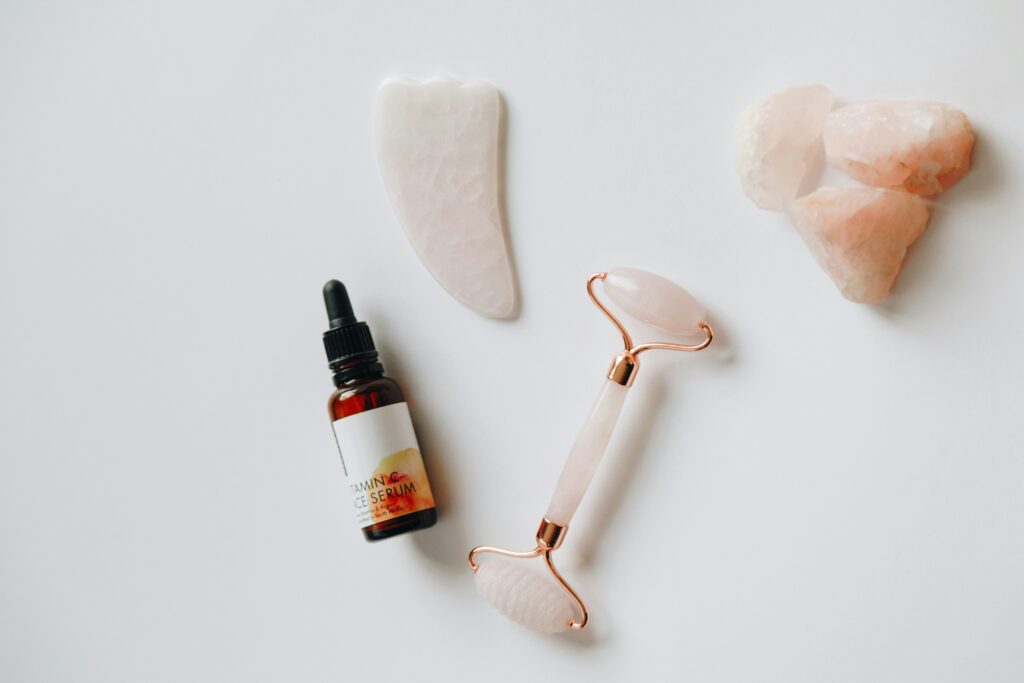
Immediately after a session, your skin will look brighter and feel more awake. With regular practice—about three to four times per week—you can expect smoother texture, lifted contours, and softened fine lines within six to eight weeks.
Because Gua Sha supports circulation and lymphatic flow, the glow that follows each session reflects not just surface radiance but real improvements beneath the skin.
Your Weekly Gua Sha Plan
- Three to four times a week: full Gua Sha facial routine (neck, cheeks, forehead, jaw)
- Daily: brief facial massage or face-yoga sequence
- Weekly: full-body Gua Sha for relaxation and circulation
- Every day: follow your skincare basics—cleanse, treat, protect
FAQ’S
How often should I use Gua Sha?
Three to four times a week is ideal. Light daily use is fine too—gentle consistency gives the best results.
Can Gua Sha replace face massage?
It complements it. Gua Sha refines and drains, while traditional massage relaxes and lifts. Many spas pair both techniques.
Which oils work best?
Use light botanical oils such as rosehip, camellia, squalane, or jojoba. For dry skin, try marula or argan; for sensitive skin, choose hemp seed or blue tansy.
Is Gua Sha safe for acne or sensitive skin?
Yes, with care. Avoid active breakouts and use minimal pressure with soothing oils. Always clean your tool after each use.
When will I see results?
Skin often looks fresher immediately. With regular practice, expect a smoother texture and better tone within a month.
Can I use Gua Sha on my body?
Yes. Glide the tool over oiled skin on the neck, arms, or legs using long, upward strokes to ease tension and boost circulation.