Your health and fitness are essential assets that allow you to live an active and meaningful life. Prioritizing your well-being with methods like lymph drainage massage enables your body to detoxify, heal, and thrive. By taking a holistic approach to health, you may avoid sickness, decrease stress, and enjoy a well-balanced, more harmonious life. Remember that investing in your health is a journey, not a destination.
What Is Lymph Drainage
The lymphatic system plays a vital role in maintaining health. Lymph drainage refers to the movement of lymph fluid through the body, supported by lymph nodes, which filter waste and protect against infection. A lymph drainage massage helps stimulate this system, reducing stagnation and improving immunity.
Understanding the Lymphatic System
To understand the importance of lymph drainage massage, it helps to know how the lymphatic system works:
The lymphatic system, also known as the lymphoid system, is a vital part of the circulatory and immune systems. It plays a critical role in draining excess extracellular fluid, filtering waste, and defending the body against infection. This complex network includes lymph fluid, lymphatic vessels, lymph nodes, specialized cells, and lymphoid organs that work together to maintain balance and health.
Lymphatic channels, though variable in form, run parallel to the vascular system, carrying lymph fluid through the body. Along the way, lymph nodes act as filters, capturing toxins, pathogens, and cellular waste before the fluid is returned to the bloodstream. Nearly every organ and tissue has lymphatic pathways, with the liver and intestines producing nearly 80% of the body’s lymph volume.
Because the lymphatic system is responsible for detoxification, circulation, and immune support, keeping it healthy is essential. One of the most effective natural methods to stimulate this system is lymph drainage massage, a gentle therapy that encourages the flow of lymph fluid, reduces stagnation, and supports overall health.
The Benefits and Practice of Lymph Drainage Massage
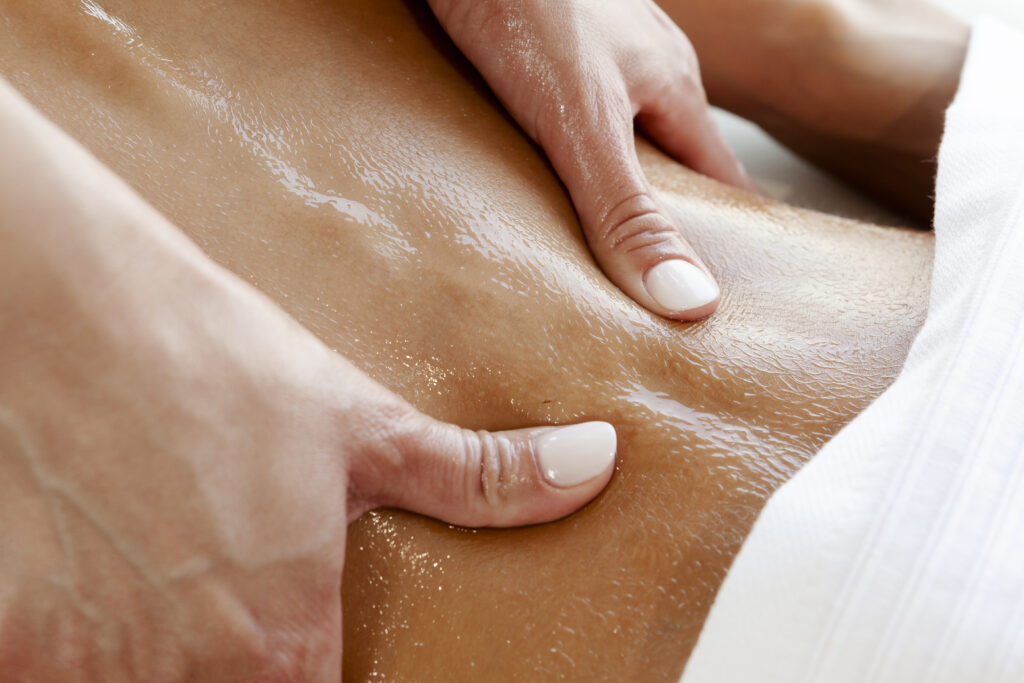
Lymph drainage massage is more than just a relaxing treatment. It is a therapeutic technique that stimulates the flow of lymph fluid, helping your body clear toxins and stay strong. Whether done by a professional or through gentle self-massage at home, it can be part of a healthy body skin care routine and a natural way to support your immune system. Many people search for how to do a lymph drainage massage or how to improve lymph drainage at home, and with simple steps, anyone can enjoy its benefits.
Advantages of Lymph Drainage Massage
Lymph drainage massage offers a range of health benefits, from detoxifying the body to enhancing immunity, relaxation, and skin health.
1. Detoxification
This massage stimulates lymphatic drainage, which helps eliminate toxins and waste products from your body and promotes a cleaner internal environment.
2. Improved immune function
Increasing lymph flow strengthens your immune system, making it more effective in fighting infections and diseases.
3. Relaxation and tension relief
The gentle, rhythmic movements of lymphatic drainage massage help to relax the body, reduce stress, and increase mental clarity.
4. Decrease swelling and inflammation
Lymph drainage massage can reduce swelling and inflammation, making it useful for lymphedema, arthritis, and post-surgical rehabilitation.
5. Improved skin health
Regular massage can contribute to cleaner, healthier skin by eliminating toxin buildup and increasing circulation.
Lymph Drainage Massage: Professional Tips and Self-Massage Techniques
Preparing for a massage
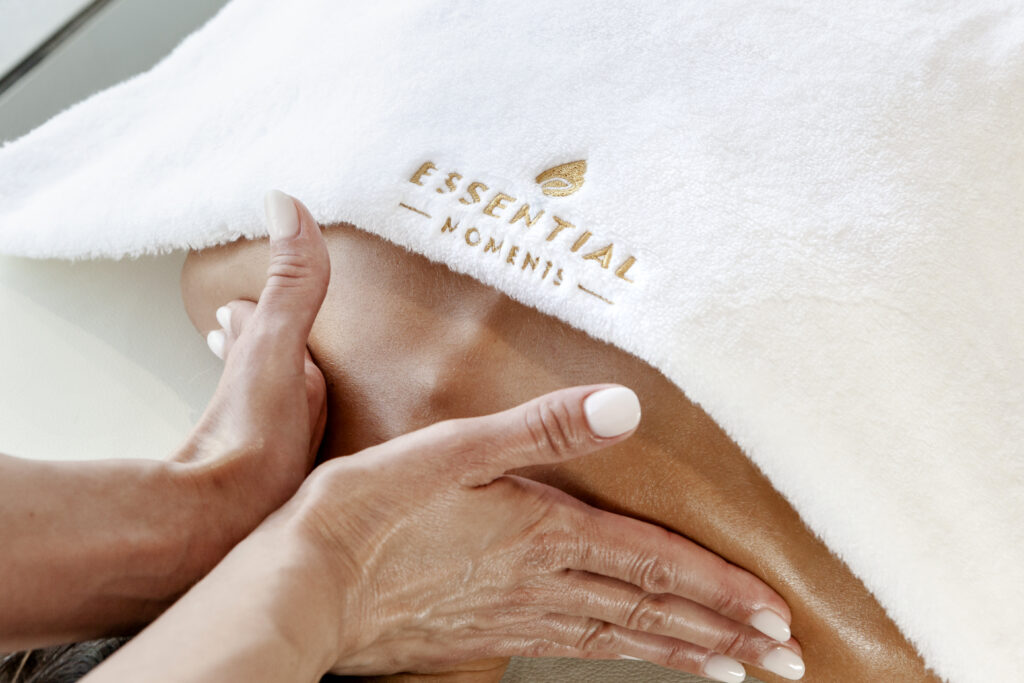
Select a peaceful location with soft lighting, soothing music, and a comfortable temperature. Have a massage mat or bed ready, along with a gentle oil or lotion, towels, and pillows for support. Optional dry brushing before the massage can also help stimulate circulation.
Self-Massage Techniques
Mastering simple self-massage methods will help you support your lymphatic system more efficiently. This section will walk you through the steps for draining the neck and face, upper body, and lower body.
Neck Preparation
Position yourself comfortably, either sitting or standing. Place your fingertips just above the collarbone on either side of your neck.
Technique
Move your fingertips gently downwards towards the middle of your chest. Repeat this motion for around 10-15 strokes to activate the lymph nodes in your neck.
Facial Massage
Cheeks
Starting in the middle of your face, softly trace outwards towards your ears with your fingertips. This helps move lymph fluid from your cheeks to the lymph nodes around your ears.
Forehead
Make soft upwards strokes from your brows to your hairline, then move towards your temples. This reduces puffiness and fluid retention in the forehead region.
Jawline
Place your fingertips on your chin and move them in sweeping strokes along the jawline towards the ears. This aids in the drainage of lymph from the lower half of your face.
Upper body drainage
Shoulders
With your right hand on your left shoulder, make circular sweeping strokes toward your neck. Repeat on the opposite side to stimulate the lymph nodes in the shoulder region.
Chest
Place your hands on your upper chest and make slow strokes toward your armpits. Repeat this motion 10–15 times on each side. This helps move lymph fluid from the chest to the axillary lymph nodes.
Arms
Forearms
Begin at the wrist and work your way up to the elbow with soft sweeping strokes. Continue with both arms to promote lymph flow from the hands and forearms.
Upper Arms
Use moderate strokes from the elbow to the shoulder, aiding the movement of lymph fluid toward central lymph nodes in the armpit region.
Lower body drainage
Feet and ankles
Start by massaging your feet with gentle circular strokes, then move up to your ankles. This helps stimulate lymph flow in the lower extremities.
Lower legs
Make soft sweeping motions from your ankles to your knees. Repeat on both legs to help move lymph fluid toward the knee region.
Thighs
Sweep from the knees up to the groin area. Repeat with both legs to promote lymphatic flow to the inguinal lymph nodes.
By incorporating these simple self-massage techniques into your daily life, you can help drain lymph nodes naturally, stimulate lymph fluid movement, and support your overall health and wellness.
Lymph Drainage At Home
If you want simple home remedies, you can safely and effectively practice lymph drainage at home. Gentle self-massage, staying hydrated, drinking herbal teas, deep breathing, and light exercise all help support your lymphatic system. When performing lymph drainage massage on your own, focus on using light, repetitive strokes directed toward your lymph nodes, and practice consistently to enjoy the full benefits.
What is the Difference Between Lymph Drainage Massage and Manual Lymphatic Drainage (MLD)
Lymph drainage massage is a type of massage aimed at stimulating the flow of lymphatic fluid throughout the body. It can help reduce swelling, improve circulation, and support the body’s natural detoxification processes. However, this term is broad and can include massages that do not follow specific anatomical pathways or standardized techniques. Some lymph drainage massages may be performed by therapists without specialized training in lymphatic therapy, which can affect the effectiveness and safety of the treatment.
Manual Lymphatic Drainage (MLD), in contrast, is a highly specialized technique performed by trained therapists. It uses gentle, precise movements that follow the natural pathways of the lymphatic system. MLD is designed to optimize lymph flow, reduce fluid retention, and improve overall lymphatic function. Therapists follow specific sequences and techniques to ensure that the treatment is both safe and effective.
In short, while all manual lymphatic drainage is a form of lymph drainage massage, not all lymph drainage massages qualify as professional MLD. Understanding this distinction helps you make informed choices about the type of lymphatic care that is most suitable for your needs.
A TECHNIQUE OF LYMPHATIC AUTODRAINAGE
Lymphatic autodrainage is a technique that allows you to actively support your own lymphatic system using specially designed “rods.” These tools help you replicate some of the effects of manual lymphatic drainage that a therapist would normally perform.
To make sure you apply the technique correctly, a healthcare professional can mark the precise drainage routes on your skin. These markings show you exactly where and how to glide the rods, ensuring that you stimulate lymphatic flow safely and effectively without causing discomfort.
Before you try the procedure at home, it is important to receive training in a clinical setting. During this training, you will learn how to hold the rods, apply the right amount of pressure, and follow the marked routes consistently. Regular follow-ups with your healthcare provider will help monitor your progress and ensure you are using the technique correctly.
One of the main benefits of lymphatic autodrainage is that it empowers you to take an active role in your treatment. By practicing the technique yourself, you can reduce the number of clinic visits, lower your overall treatment costs, and maintain continuous care between professional sessions. This approach allows you to be more involved in your recovery and helps you stay motivated to follow your treatment plan consistently.
Integrating Massage with Other Therapies
-
Aromatherapy
Adding lavender, ylang-ylang, or patchouli essential oils to your massage carrier oil enhances relaxation and detox.
-
Hydrotherapy
Switching between warm and cold water, or ending a shower with a cold rinse, stimulates lymphatic circulation.
-
Exercise
Low-impact exercise like yoga, swimming, and walking supports lymphatic flow and overall wellness.
-
Compression garments
Wearing compression clothing after a massage can help maintain lymph drainage and reduce swelling.
-
Sauna
Regular sauna sessions promote sweating, which can aid in toxin elimination and improve circulation, complementing the effects of lymphatic massage.
-
Dry brushing
Gently brushing the skin with a natural bristle brush before a shower or massage can stimulate lymph flow, exfoliate the skin, and enhance overall detoxification.
Tips for Lymphatic Health
- Eat a healthy diet rich in fruits, vegetables, and lean proteins while limiting salt and processed foods.
- Stay hydrated to keep lymph fluid moving.
- Exercise regularly. Walking, swimming, and yoga are great for natural lymph drainage.
- Get proper sleep to support the body’s healing process.
- Practice lymph drainage massage consistently to reduce stagnation and improve flow.
FAQ’s About Lymph Drainage Massage
What is a lymph drainage massage?
Lymph drainage massage is a gentle technique that stimulates the lymphatic system to improve circulation, reduce swelling, and help the body eliminate toxins naturally.
How often should you do lymph drainage massage?
Most people benefit from one to two sessions per week, depending on their goals. For general wellness, doing lymph drainage massage at home a few times a week is effective. For medical concerns, consult a professional therapist.
Can I do lymph drainage massage at home?
Yes, lymph drainage at home is safe and effective when performed with light, rhythmic strokes. Focus on areas rich in lymph nodes such as the neck, armpits, and groin. Always massage toward the direction of lymph flow.
What are the benefits of facial lymph drainage?
Facial drainage helps reduce puffiness, dark circles, and fluid retention. It can also improve skin tone, support circulation, and become part of a body skin care routine.
Who should avoid lymph drainage massage?
People with acute infections, congestive heart failure, kidney problems, or blood clots should avoid lymph drainage massage unless cleared by a doctor. Always check with a healthcare provider before starting if you have a medical condition.
How can I improve lymph drainage naturally?
In addition to massage, you can support lymph drainage through regular exercise, staying hydrated, eating a balanced diet, practicing deep breathing, and using home remedies like herbal teas.