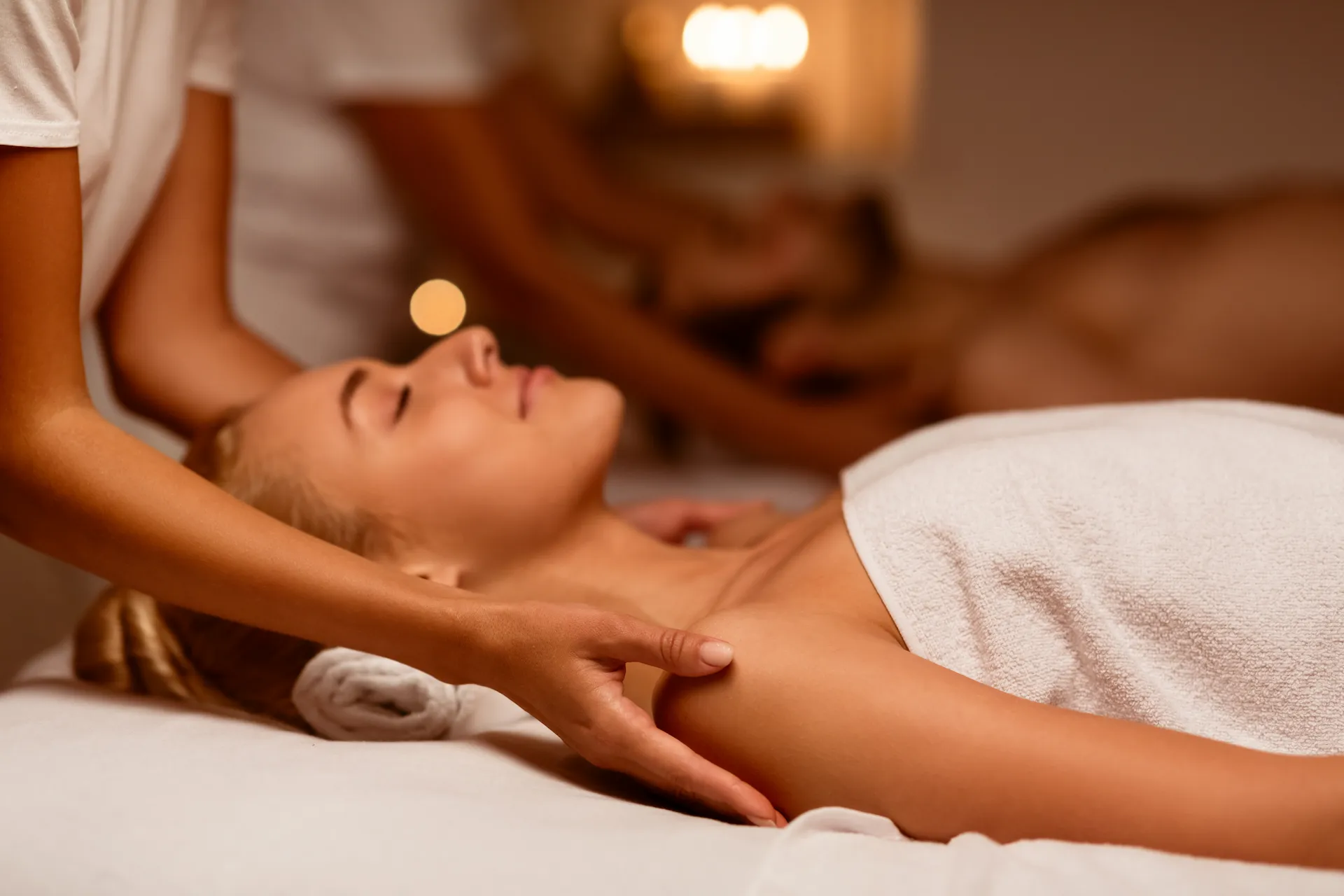
Lymphatic massage is a gentle therapy that stimulates the flow of the lymphatic system throughout the body. This promotes detoxification, reduces inflammation and swelling, and strengthens the immune system. In this article, you will learn about the benefits of lymphatic massage, how it works, and what to expect during a session.
What is lymphatic drainage massage?
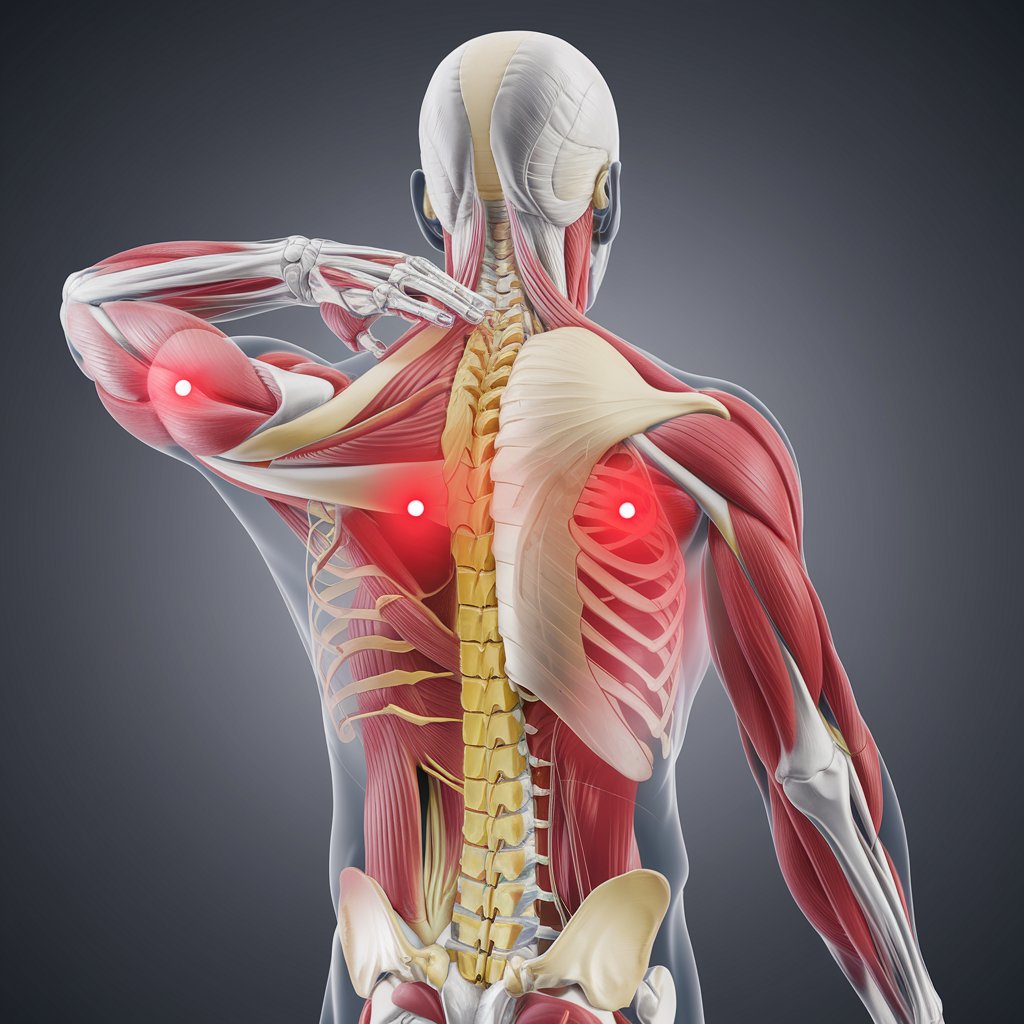
Manual lymphatic drainage (MLD) is a specialized type of lymphatic massage that involves gentle, rhythmic hand movements to stimulate the flow of lymphatic fluid within the lymphatic vessel network.
This technique enhances the function of the lymphatic system, a complex network comprising many essential components, each playing a crucial role in maintaining your body’s fluid balance and immune function. By filtering waste and toxins through the lymph nodes, the lymphatic system plays a crucial role in detoxification, helping you maintain a healthy internal environment.
Below are several important indicators that you may need expert lymphatic massage treatment:
- Recurring infections
- Persistent swelling and edema
- Chronic conditions such as lymphedema and fibromyalgia
- Headaches
- Digestive problems
- Fatigue
- Skin changes
How important is the early detection of lymphatic congestion?
By working with healthcare professionals early on, you can ensure the development of a comprehensive treatment plan that addresses all aspects of your lymphatic health, including underlying causes and supportive therapies.
Early detection is crucial for treatment intervention, reducing the likelihood of complications such as:
- Fatigue
- Edema
- Chronic swelling
- Fibrosis
- Skin infections
- Swollen lymph nodes in the neck
How does lymphatic massage work?
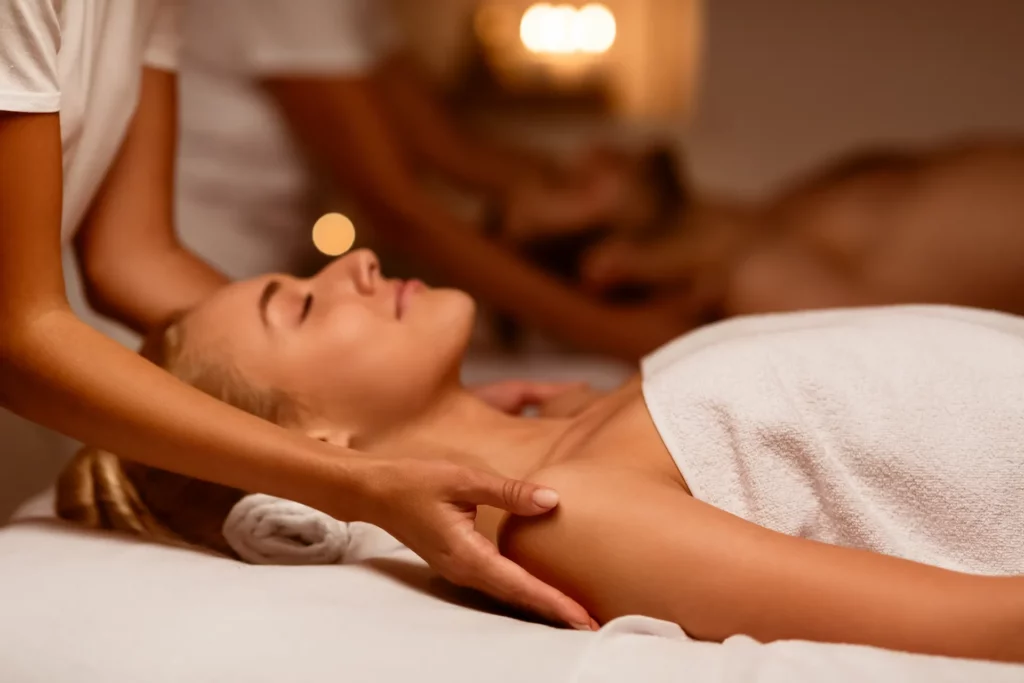
Lymphatic massage uses various methods that incorporate gentle and rhythmic pressure to stimulate lymph circulation and support the body’s detoxification process. Developed in the 1930s by Dr. Emil Vodder, manual lymphatic drainage (MLD) uses precise and rhythmic hand movements to stimulate lymph flow through lymph vessels and nodes.
These spiral movements help reduce swelling and edema, especially if you’re recovering from surgery or injury. If that’s the case, lymphatic massage can offer real relief by easing discomfort and supporting your body’s healing process.
Studies have shown that managing post-traumatic edema is crucial to preventing secondary injuries and promoting faster recovery in orthopedic patients, but more research is needed to determine its effectiveness in improving patient and disease outcomes in orthopedic injuries.
Additional studies conclude that while preliminary evidence and animal studies support the potential benefits of manual lymph drainage techniques (MLDT) in reducing edema and markers of muscle damage in sports injuries, high-quality clinical trials are needed to establish definitive guidelines for use in sports medicine and rehabilitation.
Further research supports the findings of a systematic review that assessed the effectiveness of massage in fibromyalgia. This review suggests that myofascial release offers significant benefits, especially in reducing pain, anxiety, and depression. At the same time, manual lymphatic drainage may be more effective for you than connective tissue massage when it comes to relieving stiffness, reducing depression, and improving your overall quality of life.
Lymphatic massage is generally considered a safe and effective method for treating lymphedema. However, it may not be suitable for everyone. You should avoid it if you have:
- Deep vein thrombosis
- Heart disease
- Blood clots
- Infection
- Stroke
- Kidney failure
Health Benefits of Lymphatic Massage
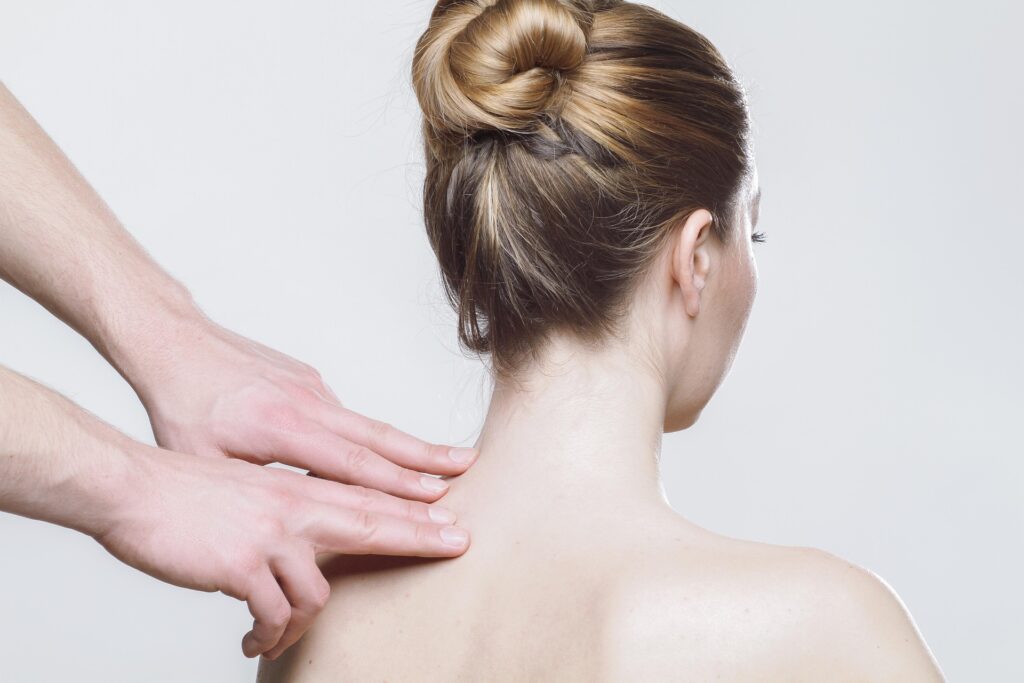
Lymphatic massage does more than just help you relax—it supports your body in powerful ways. From reducing puffiness to boosting your immune system, this gentle technique offers real health perks. Here are a few key benefits:
1. Reduce Swelling and Inflammation
Manual lymphatic drainage (MLD) is particularly effective at reducing swelling and inflammation, making it a go-to treatment for conditions such as lymphedema, arthritis, and post-surgical rehabilitation. Massaging non-swollen areas creates space for congested lymph fluid to flow, thereby reducing inflammation.
This technique can also help minimize facial swelling and enhance facial contours, resulting in a fresher appearance.
2. Immune System Boost
Lymphatic massage is recognized for its crucial role in supporting the immune system. It enhances the body’s ability to absorb and transport lymph fluid, thereby increasing the effectiveness of the immune response.
During manual lymphatic drainage (MLD), specific manual techniques are applied to the skin, helping to expel toxins and bacteria while strengthening the body’s natural defense systems.
3. Improved Post-Surgical Healing
Manual lymphatic drainage (MLD) offers significant benefits after cosmetic surgery. It facilitates recovery, reduces discomfort, and promotes better circulation. It becomes a vital part of postoperative care, supporting faster healing and reducing the likelihood of developing postsurgical lymphedema.
4. Detoxification
Lymphatic drainage massage helps remove waste and toxins from the body, resulting in a cleaner internal environment. This detoxification process reduces the burden on the liver and kidneys, allowing them to function more efficiently.
5. Improved Circulation
This massage technique increases blood flow, delivering vital nutrients and oxygen to tissues while removing metabolic waste. It improves circulation, cardiovascular health, and energy levels.
6. Relaxation and Stress Relief
The soothing, rhythmic movements of this massage promote a state of relaxation and well-being. It can help reduce stress, improve sleep quality, and enhance mental clarity.
What Are the Best Self-Lymphatic Drainage Techniques?
Self-lymphatic drainage techniques can be an excellent way to maintain lymphatic health between professional sessions. However, it’s essential to consult with a healthcare professional before trying these techniques, especially if you have any underlying conditions.
The goal is to ensure that self-drainage is safe and appropriate for your specific situation.
Self-administered lymphatic drainage methods involve applying light pressure, along with specific maneuvers, to stimulate lymph flow. These techniques include gentle circular motions with the fingertips, sliding movements toward lymph nodes, and progressing from outer limbs toward the body’s center.
To maintain their effectiveness, avoid applying oils or lotions while performing these massages.
How Can You Integrate Professional Treatments with Self-Care?
By combining professional treatments with your self-care practices, you can enhance the overall effectiveness of both approaches. Here are some examples:
1. Hydration and Nutrition
- Drink plenty of water to keep the lymph fluid moving efficiently.
- Incorporate anti-inflammatory foods, such as turmeric, ginger, and leafy greens.
- Eat a diet rich in fruits, vegetables, and lean proteins to support your body’s natural detoxification process.
2. Movement and Exercise
- Engage in rebounding exercises (using a mini trampoline) to stimulate lymphatic flow.
- Practice yoga, walking, and swimming to promote circulation and drainage.
- Perform deep diaphragmatic breathing exercises to activate lymphatic flow.
3. Manual Stimulation
- Practice dry brushing before showering to stimulate lymph movement.
- Perform self-lymphatic massage using gentle, rhythmic movements.
- Use a gua sha tool or jade roller for facial lymphatic drainage.
4. Detox and Relaxation
- Enjoy contrast showers (alternating hot and cold water) to stimulate circulation.
- Take Epsom salt baths to support detoxification, reduce inflammation, and alleviate swelling.
- Use a sauna or steam bath to stimulate sweating and toxin elimination.
5. Compression and Posture
- Wear compression garments, if recommended, to reduce swelling.
- Maintain good posture and avoid crossing your legs to prevent lymph stagnation.
- Elevate your legs while resting to aid fluid drainage.
6. Herbal Support and Aromatherapy
- Drink herbal infusions with ginger, dandelion, or red clover to support lymph function.
- Use essential oils like grapefruit, cypress, or juniper for massage or diffusion.
How to Find a Certified Lymphedema Therapist
It is essential that therapists specialized in lymphedema obtain certification that demonstrates their competence in the correct methods of performing lymphatic massage and their understanding of the complex nature of lymphatic conditions.
Working with a certified manual lymphatic drainage (MLD) therapist helps reduce potential risks associated with lymphatic massage while enhancing its therapeutic benefits.
Consulting Healthcare Providers
Always consult with medical professionals before starting lymphatic drainage therapy, especially if you have any pre-existing medical conditions. This precaution ensures the treatment is tailored to your specific health circumstances and helps prevent potential adverse effects.
By sharing details about your particular health concerns with a healthcare provider, you can determine whether lymphatic drainage is a suitable therapeutic option for you.
Frequently Asked Questions
What is manual lymphatic drainage (MLD)?
Manual lymphatic drainage (MLD) is a gentle massage technique that facilitates the movement of lymph fluid throughout the body, aiding in detoxification and reducing swelling.
It is a relaxing way to support the body’s natural systems.
How does lymphatic massage strengthen the immune system?
Lymphatic massage can significantly boost your immune system by improving the transport of lymph fluid, helping remove toxins and bacteria from your body more effectively.
Therefore, if you’re seeking to boost your immunity, this could be a valuable addition to your routine.
Can lymphatic massage help with post-surgical recovery?
Absolutely! Lymphatic massage can help reduce inflammation and pain while also accelerating recovery after surgery, making it an excellent addition to your post-operative care plan.
Are there any risks associated with lymphatic massage?
Yes, lymphatic massage can pose risks for people with acute infections, serious circulatory issues, unstable high blood pressure, or kidney failure, as it may worsen these health conditions.
Always consult with a healthcare provider before getting one.
How can I find a certified lymphedema therapist?
Look for professionals with specialized training and recognized certifications in lymphedema management to find a certified lymphedema therapist.
You can also use online referral tools or ask your healthcare provider for recommendations.