What Is Essential Oil?
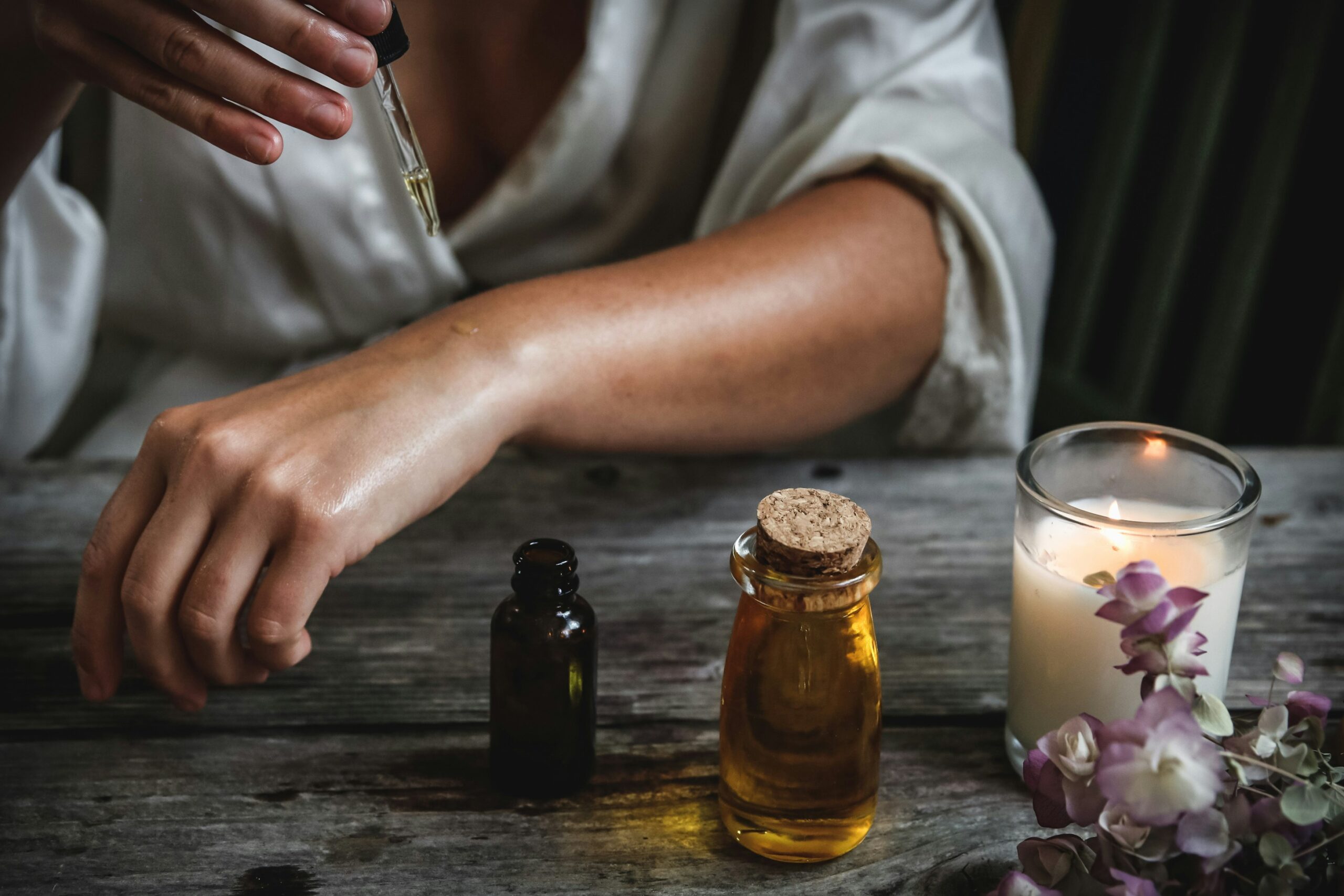
Essential oil is a blend of natural aromatic volatile oils extracted from plants. The most common extraction methods are steam distillation and cold pressing. Essential oils are used in aromatherapy, pharmaceuticals, fragrances, food, and as flavoring agents. They have been used for medicinal purposes throughout the centuries and have become an established natural complementary therapy.
Benefits of Essential Oils
- Antioxidant
- Anti-inflammatory
- Antimicrobial
- Neurological health protection
- Improved sleep
- Promotes relaxation
- Reduces anxiety and pain
- Prevents disease
7 Essential Oils to Improve Your Well-being
1. Lavender Essential Oil
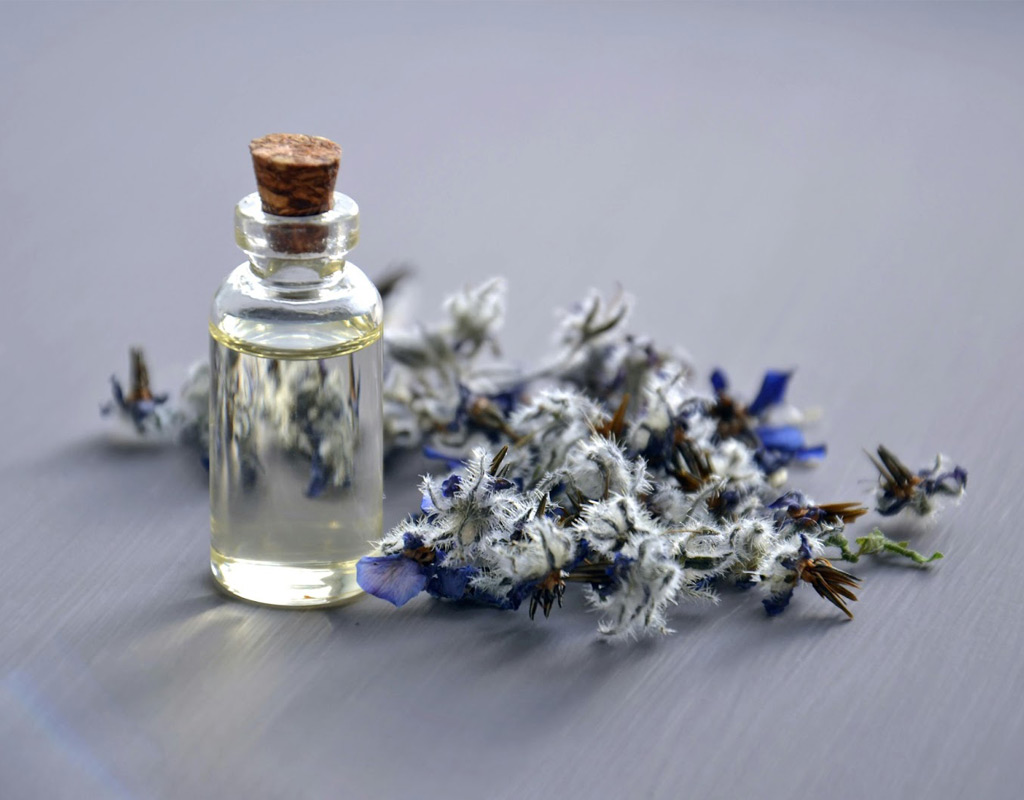
Lavender essential oil is a favorite in aromatherapy. You can use it with a diffuser at home, add a few drops to your bath, or apply it to your skin with a carrier oil. Lavender helps relieve stress, pain, and inflammation, and improves sleep quality.
According to research, lavender oil (LO) and its main components—linalool (L) and linalyl acetate (LA)—can effectively reduce psoriasis-like skin inflammation. LO improved visible symptoms and reduced inflammatory markers, with linalool showing the strongest impact on both skin repair and immune response. These findings support the topical use of lavender essential oil as a natural and effective option for managing psoriasis.
2. Rose Essential Oil
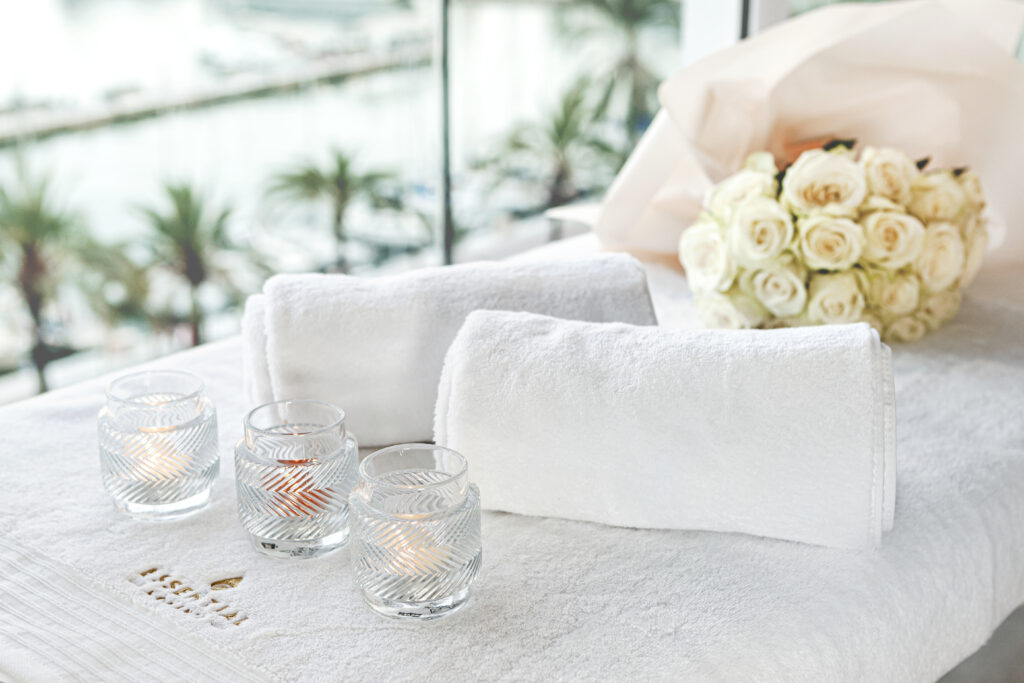
One of the most versatile skincare oils, rose essential oil is extracted from the petals of Rosa Damascena Mill. It helps prevent collagen degradation, reduces gene expression associated with skin aging, and enhances the activity of antioxidant enzymes. Research also highlights its ability to protect skin from UV-induced damage.
Studies show it helps relieve pain in patients with dysmenorrhea, regulates irregular periods, and supports uterine health. It also has natural antidepressant properties.
Additionally, a 2020 study found that inhaling rose oil after cesarean surgery reduced post-op pain and anxiety.
3. Eucalyptus Essential Oil
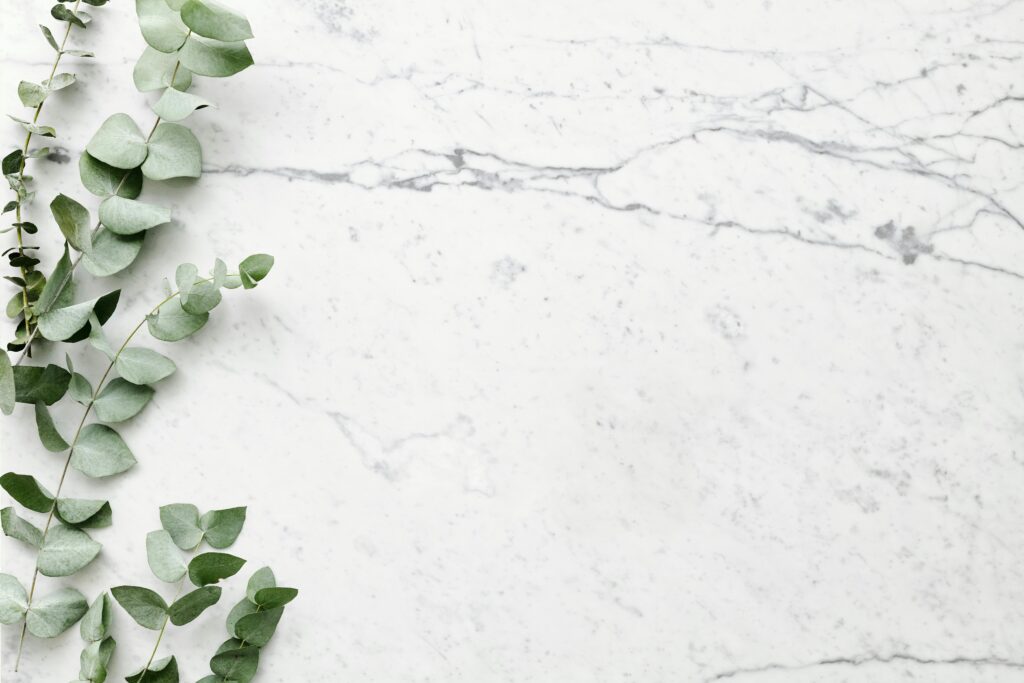
Known for its antibacterial and anti-inflammatory properties, eucalyptus oil is especially beneficial when dealing with harmful toxins and pathogens.
It’s also excellent for scalp care, combating dandruff and seborrheic dermatitis, and protecting against bacterial and fungal infections. For best results, mix eucalyptus oil with nourishing carrier oils or use hair care products formulated with it.
4. Tea Tree Essential Oil
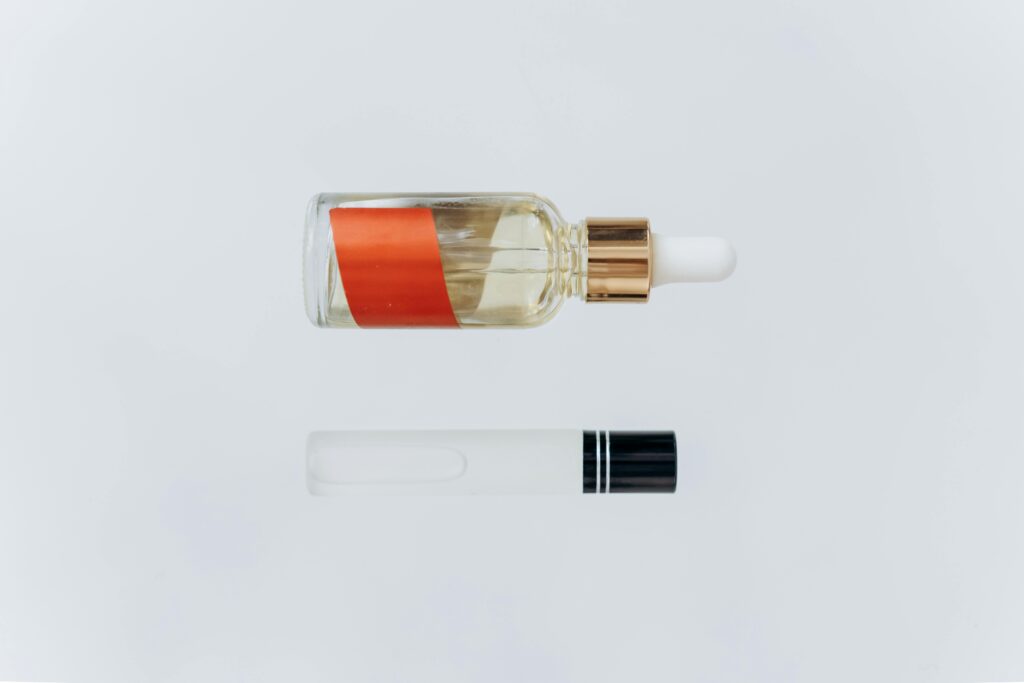
Once a hidden gem in traditional medicine, tea tree oil is now a natural remedy for infections and inflammation. Its antiseptic and antimicrobial properties are effective against:
- Acne
- Psoriasis
- Chickenpox-related congestion
- Fungal infections
- Head lice
- Insect bites and sunburn
- Skin inflammation
Especially helpful for oily or acne-prone skin, tea tree oil helps balance oil production, clear breakouts, and even improve chronic gingivitis.
5. Rosemary Essential Oil
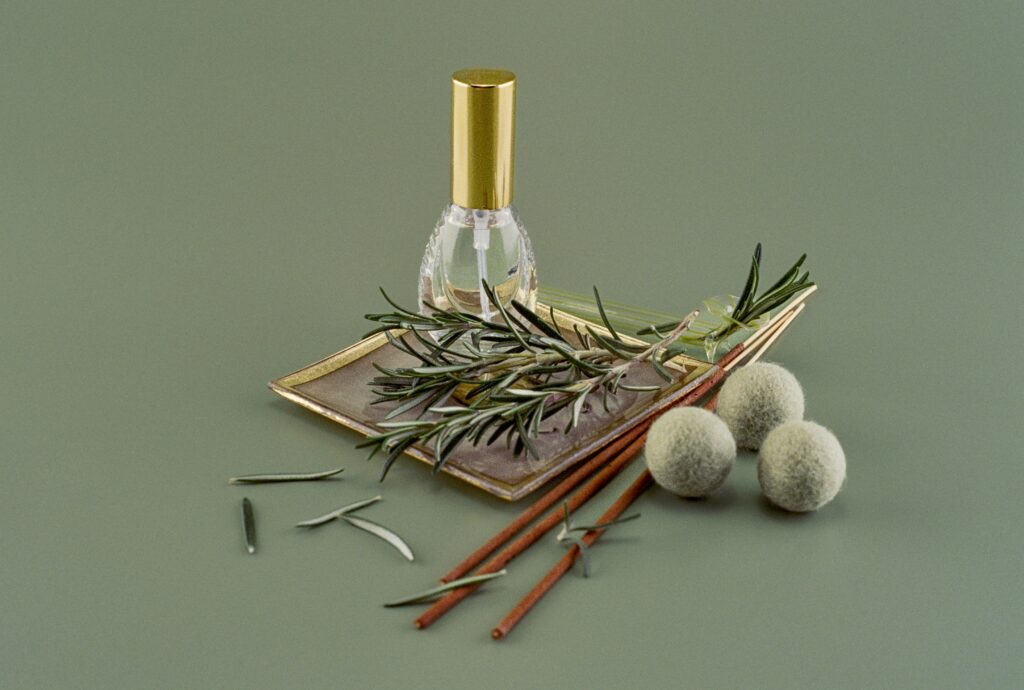
Rich in eucalyptol and camphor, rosemary essential oil combats harmful microbes and neutralizes free radicals to protect your skin and overall health.
It has been used for centuries to enhance brain function and help with neurological disorders and inflammatory conditions.
Studies show rosemary oil can potentially protect the liver by stimulating the body’s natural defenses.
6. Peppermint Essential Oil
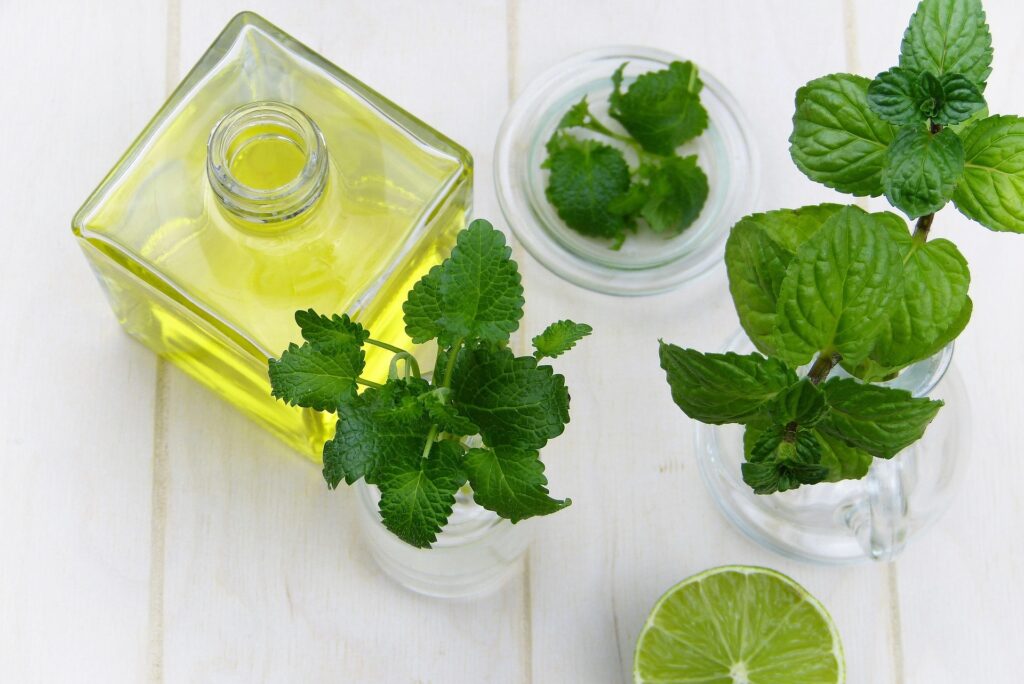
Peppermint belongs to the Lamiaceae family and is found in temperate regions worldwide. It supports brain function, as well as the health of the liver, gut, kidneys, and nervous system.
It can reduce fever, relieve muscle tension, and clear sinuses.
Other Uses of Peppermint Oil:
- Natural energy booster
- Relieves allergies
- Supports ADHD relief
- Joint pain relief
- Refreshing shampoo ingredient
- Anti-inflammatory
Great for post-workout recovery, peppermint energizes and helps relieve physical fatigue with its analgesic and antispasmodic properties.
7. Frankincense Essential Oil
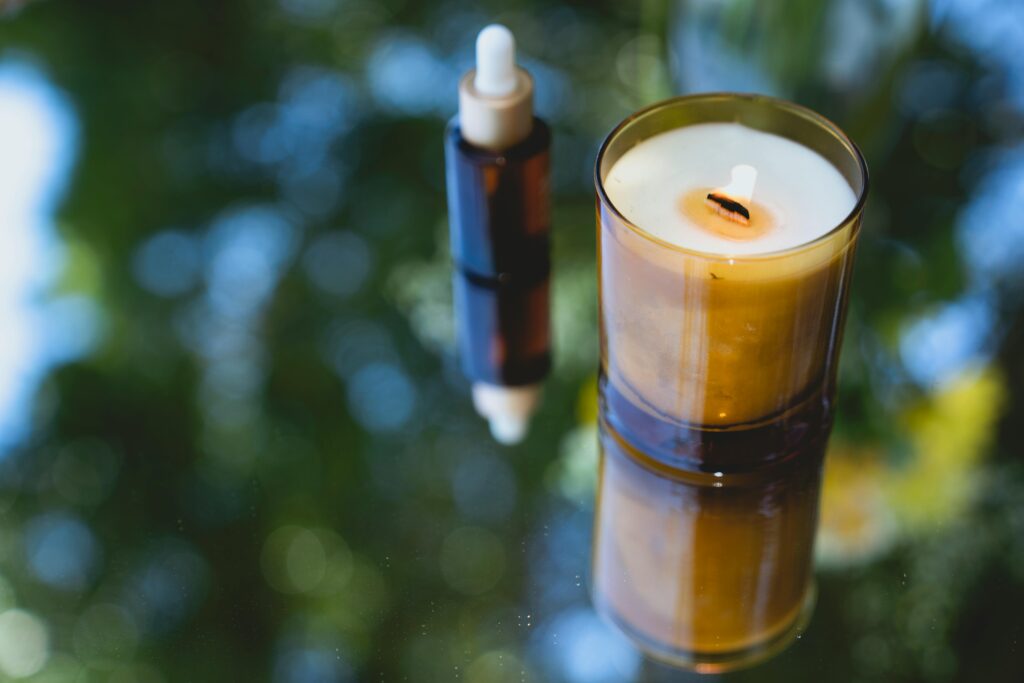
If you’re seeking emotional balance and peace of mind, frankincense oil is a valuable ally. Use it during meditation or yoga to enhance focus and promote a sense of calm.
Used in a diffuser, it helps reduce stress and promotes serenity.
Research also supports its use as an anti-aging topical.
How Should I Store My Essential Oils?
- Store essential oils properly to preserve their potency. Heat, sunlight, and oxygen can degrade their chemical structure. Please keep them in a cool, dark place, tightly sealed.
- Refrigeration is ideal. Fractionated coconut oil is a good carrier due to its long shelf life.
- Use glass or stainless steel containers—never plastic. Amber or frosted bottles provide extra UV protection.
Frequently Asked Questions
Can essential oils be applied directly to the skin?
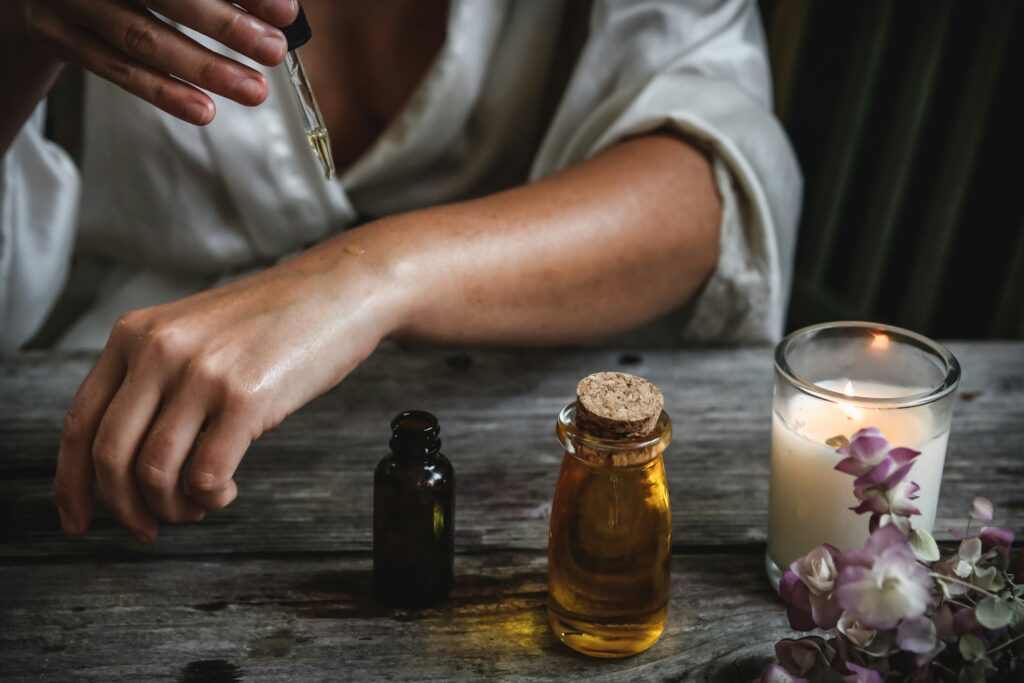
You should always dilute essential oils with a carrier oil before applying them to your skin.
How long can I inhale essential oils directly?
No more than 15–20 minutes is recommended. Short sessions maximize benefits without discomfort.
Is it safe to ingest essential oils?
Only under the guidance of a qualified healthcare professional. Never ingest essential oils without proper supervision.
How should I store my essential oils?
Store them in a cool, dark place in tightly sealed glass or stainless steel containers to prevent oxidation and evaporation.
What are the benefits of using essential oils in aromatherapy?
They can significantly reduce anxiety, improve mood, and enhance sleep—making them a powerful tool to support emotional and physical wellness.