
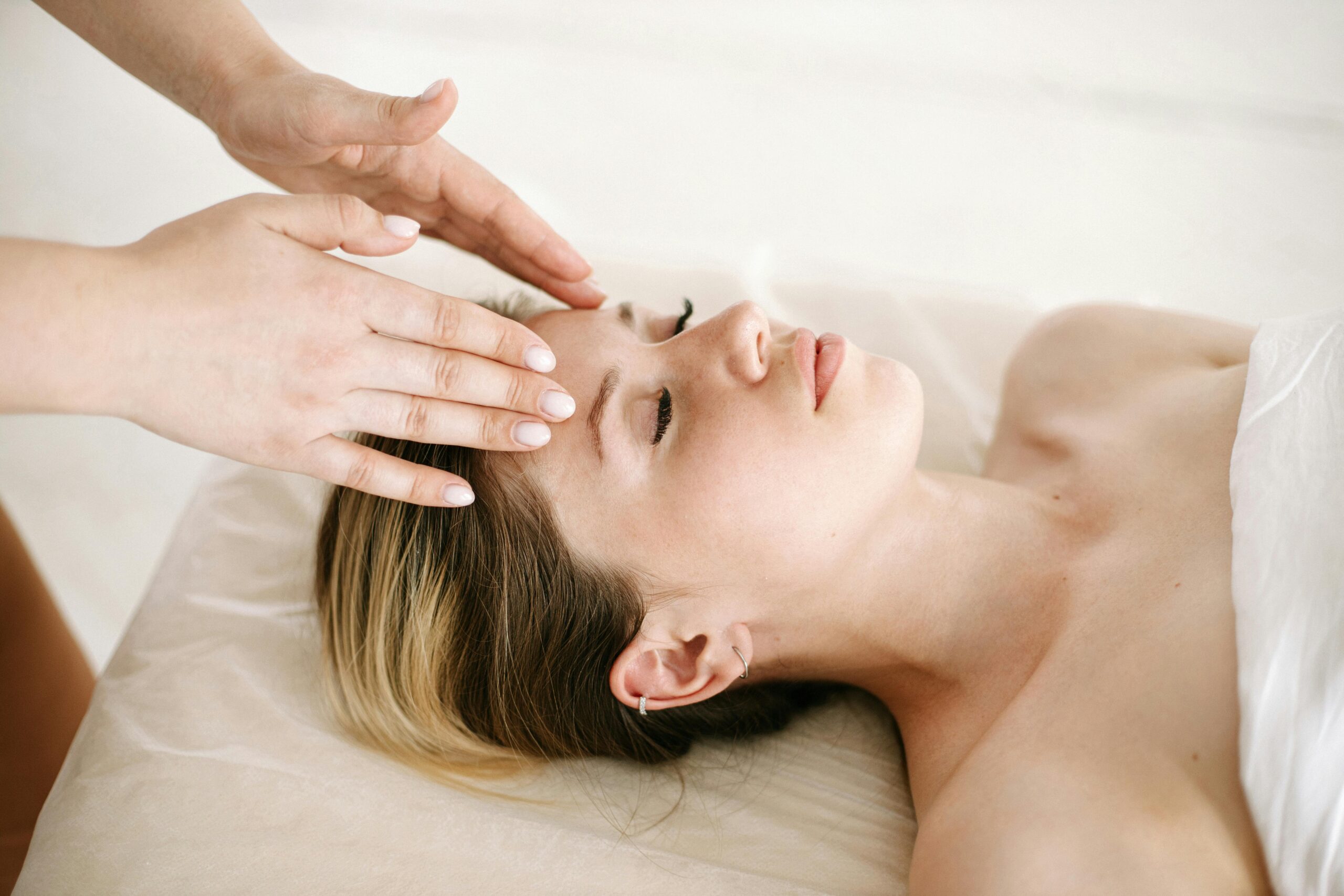
Massage therapy for stress relief supports far more than relaxation. Chronic stress affects the nervous system, influencing sleep quality, muscle tension, emotional balance, energy levels, and the body’s ability to recover properly.
Therapeutic touch helps regulate the nervous system by shifting the body out of fight-or-flight mode and into a calmer parasympathetic state associated with rest, recovery, and emotional balance. Through therapeutic touch, massage can help reduce stress hormones, ease tension, improve circulation, and support overall well-being.
In this guide, you’ll discover how massage therapy supports nervous system regulation naturally, including evidence-informed massage techniques, aromatherapy, lymphatic massage, vagus nerve support, and spa wellness rituals that help the body reconnect with calm and restoration.
How does stress affect your nervous system?

Your autonomic nervous system governs unconscious functions such as heart rate, breathing, digestion, and hormonal balance. It is designed to move fluidly between activation and rest. Under chronic stress, this flexibility is lost. The sympathetic nervous system remains dominant, keeping your body in a prolonged state of fight-or-flight.
Over time, this prolonged stress response may contribute to:
- Anxiety and emotional overwhelm
- Chronic fatigue and burnout
- Increased pain sensitivity
- Muscle tension and poor sleep quality
- Greater emotional reactivity and nervous system exhaustion
Massage therapy helps interrupt this cycle by guiding your nervous system back toward parasympathetic activation, where repair, digestion, immune function, and emotional regulation can occur.
How does massage communicate safety to your body?
Before your mind can relax, your nervous system must feel safe. Your skin plays a central role in this process. It contains sensory receptors that send signals directly to brain regions involved in emotional processing and stress regulation.
Slow, rhythmic massage reduces neural excitability and encourages parasympathetic dominance. Your heart rate slows, breathing deepens, and muscle guarding begins to release. You are not forcing relaxation. Your nervous system is responding naturally to consistent, reassuring input.
This explains why massage can feel grounding even when your thoughts are busy. The body responds first, creating the conditions for the mind to follow.
Why does massage reduce cortisol and support emotional balance?
Cortisol is essential for short-term survival, but when it remains elevated, it disrupts sleep, mood, immunity, and energy levels. Many symptoms associated with chronic stress and burnout are linked to prolonged cortisol exposure.
In a randomized study involving adults aged 60 and older, participants who received regular massage reported feeling less anxious, more vital, and more emotionally balanced than those guided through relaxation alone. Together, these findings help explain why massage often leaves you feeling calm yet mentally clear, supporting regulation without dulling awareness.
Another research has found that hand massage and music therapy used during stressful medical procedures significantly reduced pain and fear in adolescents, even when cortisol levels remained unchanged. This highlights an important nervous system principle: regulation is not always reflected solely through hormone measurements. How the brain interprets safety and threat matters just as much.
Gentle touch alters sensory processing and emotional perception, helping the nervous system respond to stress with less fear and reactivity.
How does massage support the vagus nerve?
The vagus nerve is a key regulator of your nervous system, influencing heart rate variability, digestion, inflammation, and emotional resilience. Healthy vagal tone allows you to recover from stress efficiently and adapt to challenges without becoming overwhelmed.
Massage techniques that focus on the neck, upper chest, diaphragm, abdomen, jaw, and face help stimulate vagal activity. When vagal tone improves, your nervous system becomes more flexible. You move out of rigid stress patterns and into a state where calm and alertness can coexist.
This adaptability is a core marker of nervous system health.
Why does massage reduce muscle tension and pain sensitivity?
Under stress, the nervous system increases muscle guarding and pain sensitivity as a protective mechanism. Over time, this heightened alertness amplifies discomfort, especially in the neck, shoulders, and jaw.
Massage therapy improves circulation, reduces inflammatory signaling, and stimulates endorphin release. Endorphins act as natural pain modulators while also contributing to emotional ease. As nervous system activation decreases, pain perception often softens because the body no longer needs to stay on high alert.
This is why massage can feel both physically and emotionally relieving at the same time.
How does Aromatherapy Massage influence stress and the nervous system?

Aromatherapy massage engages two powerful regulatory pathways at once: touch and scent. The sense of smell connects directly to the limbic system, which governs emotion, memory, and stress response.
Research involving individuals with essential hypertension found that aromatherapy combined with massage significantly reduced blood pressure, heart rate, serum cortisol, and subjective anxiety. Lavender essential oil played a central role in this response, supporting parasympathetic activation and cardiovascular calming.
This demonstrates that the use of essential oils in massage is not simply an enhancement but a scientifically supported method for nervous system regulation. When scent and touch work together, the body receives multiple signals of safety, reinforcing relaxation on both emotional and physiological levels.
How does Aromatherapy Massage support stress regulation across aging?
As the nervous system ages, adaptability to stress can decrease, while changes in skin structure influence sensory perception. A study on older women found that aromatherapy massage significantly reduced perceived stress and physical discomfort related to chronic skin irritation.
By improving skin comfort while engaging calming sensory pathways through essential oils and touch, aromatherapy massage reduced sympathetic activation and supported emotional regulation. This highlights how nervous system care must consider the whole sensory experience, especially later in life.
Why does Hot Stone massage create deeper relaxation?
Warmth is a powerful regulator of the nervous system. Hot Stone Massage introduces sustained heat that relaxes muscle tissue while reducing sympathetic nervous system activity.
Heat promotes vasodilation, improves circulation, and decreases muscle spindle activation, allowing deeper relaxation with less pressure. The nervous system responds by lowering its defensive tone, creating a sensation of heaviness, grounding, and surrender.
This technique is especially supportive if stress shows up for you as chronic tension, restlessness, or difficulty sleeping.
As a massage therapist, hot stone massage has become one of my signature therapies and consistently one of my clients’ favorite treatments. The combination of therapeutic warmth, slow rhythmic movements, and deep muscular relaxation creates a calming experience that supports physical recovery and nervous system regulation.
How does Lymphatic Massage support nervous system balance?
Lymphatic massage uses light, rhythmic movements that closely align with parasympathetic activation. Because it avoids deep pressure, it is particularly suitable for sensitive or overstimulated nervous systems.
By supporting lymph flow and reducing inflammatory load, this technique helps alleviate stress-related fatigue and discomfort. Many people experience lymphatic massage as deeply calming, highlighting its strong regulatory effect on the nervous system.
What does research show about massage, stress, and immunity?
Chronic stress suppresses immune regulation by keeping the nervous system in a prolonged survival state. When this stress response becomes persistent, cortisol and other stress hormones can interfere with sleep quality, immune surveillance, and the body’s ability to maintain cellular balance.
Research continues to show that massage therapy may positively influence both stress regulation and immune function. A 2024 review exploring massage and breast cancer prevention highlighted how reducing chronic stress through massage may help create physiological conditions that support immune resilience and overall well-being.
Additional research has found that massage may support immune activity after physical stress and exercise while also promoting relaxation and recovery. A pilot randomized controlled trial on self-massage in young adults reported improvements in stress levels, quality of life, and immune function, suggesting that even simple bodywork practices may support nervous system balance.
Preliminary review examining massage and aromatherapy in nurses, a population exposed to sustained occupational stress, found that most studies reported beneficial effects on stress reduction. While the authors noted limitations in study quality, the findings underscore an important reality: nervous system regulation is complex and not always captured by a single measurement.
This reflects what experienced therapists often witness through consistent, high-quality bodywork: when the nervous system finally slows down, the entire body responds differently. Muscles soften, breathing becomes deeper, emotional tension eases, and recovery feels more complete.
Over time, regular massage can support a greater sense of balance, resilience, and overall well-being.
Why does the spa environment matter for nervous system health?
Your nervous system responds not only to touch, but also to environment. Soft lighting, warmth, minimal noise, and intentional rituals reduce sensory overload and signal safety.
A spa setting creates a space where external demands temporarily fall away. This allows the physiological effects of massage to deepen and last longer. Soft lighting, warmth, calming scents, and intentional rituals help the body relax more fully, supporting a deeper sense of calm, comfort, and nervous system balance.
What happens when massage becomes consistent?
One massage can leave you feeling calmer and deeply restored. But with consistency, the effects often go far beyond relaxation.
Over time, the body holds less tension, the mind feels less overwhelmed, and overall wellness becomes easier to maintain. Rather than an occasional escape from stress, massage becomes a restorative wellness ritual that supports balance, recovery, and nervous system health over time.
FAQ’s
How does massage therapy support immune system function?
Massage therapy enhances immune function by reducing stress hormones like cortisol, which can suppress immune activity when elevated for prolonged periods. It also stimulates lymphatic circulation, aiding in the removal of toxins and improving the body’s natural defense mechanisms.
Can massage therapy help with chronic stress management?
Yes, massage therapy is highly effective in managing chronic stress. By activating the parasympathetic nervous system, it helps the body shift from a fight-or-flight state to a state of rest and recovery. This promotes relaxation, reduces muscle tension, and supports emotional balance.
What are the long-term benefits of regular massage therapy?
Consistent massage therapy can lead to improved nervous system regulation, enhanced immune resilience, better sleep quality, and reduced anxiety. Over time, it helps the body “remember” how to relax, making it easier to recover from stress and maintain overall well-being.
Is hot stone massage more effective for stress relief than other techniques?
Hot stone massage is particularly effective for stress relief due to the therapeutic warmth it provides. The heat relaxes muscles deeply, improves circulation, and reduces sympathetic nervous system activity, creating a grounding and calming experience that supports both physical and emotional recovery.
Can massage therapy improve sleep quality?
Absolutely. Massage therapy promotes relaxation by reducing cortisol levels and increasing serotonin and melatonin production, which are essential for regulating sleep cycles. Many individuals report deeper, more restorative sleep after regular massage sessions.
How does massage therapy influence the nervous system?
Massage therapy communicates safety to the body through slow, rhythmic touch, which activates the parasympathetic nervous system. This reduces heart rate, lowers blood pressure, and calms neural activity, allowing the body to recover from stress and maintain balance.