Modern life rarely gives your nervous system the chance to fully settle. Even when your body pauses, the mind often remains alert—holding tension in subtle areas like the scalp, jaw, and upper neck. Over time, this constant state of readiness becomes familiar, even when it’s no longer supportive.
Head massage offers a rare bliss moment—a pause where the body receives clear signals of safety through touch. With gentle, intentional contact, the nervous system begins to soften, allowing stress to ease and internal balance to return. These head massage benefits are not only felt as relaxation, but as deeper regulation that supports sleep quality, emotional balance, and daily resilience.

What Is Head Massage and Why Does It Affect the Nervous System
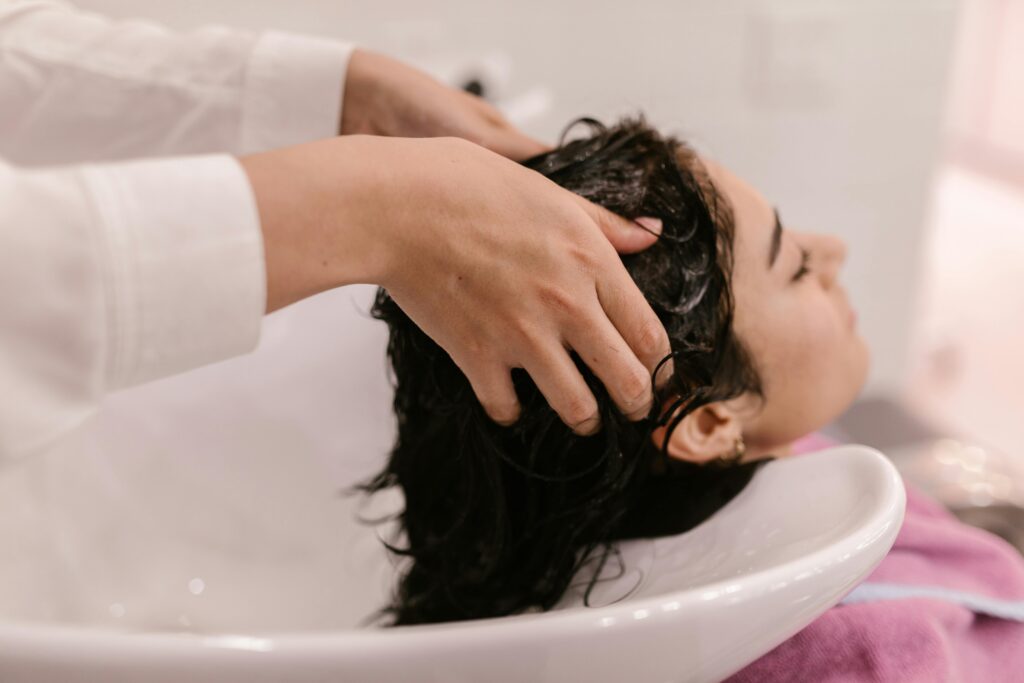
Head massage is a therapeutic practice that involves gentle to moderate touch applied to your scalp, temples, forehead, and upper neck. It can be done with dry hands or with oils, using slow, attentive movements rather than force.
According to the American Massage Therapy Association, massage techniques including deep tissue, trigger point therapy, self-massage, and acupressure can play a supportive role in reducing tension headaches and muscle-related discomfort.
Your scalp contains a dense network of sensory receptors that communicate directly with your autonomic nervous system. When these receptors are stimulated with calm, intentional touch, your body receives signals of safety. As a result, your breathing can slow, muscle tone softens, and your internal state begins to shift.
This is why head massage often creates a noticeable sense of ease within minutes—it works through sensation and nervous system communication rather than pressure.
Below are the seven key benefits of head massage, explained through a professional, body-based approach.
1. Stress Relief and Emotional Ease
Stress manifests in your body as muscle tension, shallow breathing, and constant background activation. Head massage helps reduce sensory overload while allowing your body to soften naturally.
As tension releases from your scalp and upper neck, your nervous system can shift out of stress mode. You may notice feeling calmer, more grounded, and emotionally steadier after even a short session.
Research on gentle head stroking demonstrates stimulation of oxytocin, a hormone linked to emotional safety, relaxation, and stress modulation. This helps explain why head massage often creates calm without drowsiness, supporting regulation rather than shutdown.
2. Improved Sleep Quality
If falling asleep feels difficult, your nervous system may still be in an alert state. Mental replay, jaw tension, and scalp tightness can keep your body awake even when you’re tired.
Head massage supports sleep by calming neural activity and encouraging parasympathetic dominance. When you practice it in the evening, it can help your body transition more smoothly into rest—without forcing sleep.
3. Relief from Head and Neck Tension
Tension in your head and neck often builds gradually and can go unnoticed until discomfort appears. Holding patterns in your temples, upper neck, and scalp may contribute to pressure or tension-type headaches.
Research on myofascial trigger point–focused head and neck massage suggests this approach may help reduce headache frequency while improving comfort and sensitivity in cervical and scalp muscles. Addressing these areas early can prevent tension from becoming chronic.
4. Migraine Support Within an Integrative Approach
Migraine patterns are complex and highly individual. Many people explore body-based practices to complement medical care.
According to research, massage and other hands-on relaxation techniques may help support migraine management as part of a non-medication approach, especially when used alongside other forms of care.
5. Mental Clarity and Cognitive Balance
Relaxation doesn’t mean losing focus. When stress signals decrease, your mental resources become available again.
Head massage can support clearer thinking, steadier attention, and improved emotional processing—especially during periods of mental overload or prolonged screen exposure. Many people experience a calm yet alert state that supports both productivity and well-being.
6. Hair Growth and Scalp Health
Among the physical benefits of head massage, scalp and hair health are often overlooked.
By improving circulation to your scalp, a head massage helps deliver oxygen and nutrients to your hair follicles. With regular practice, this can support healthier hair growth and improved scalp comfort.
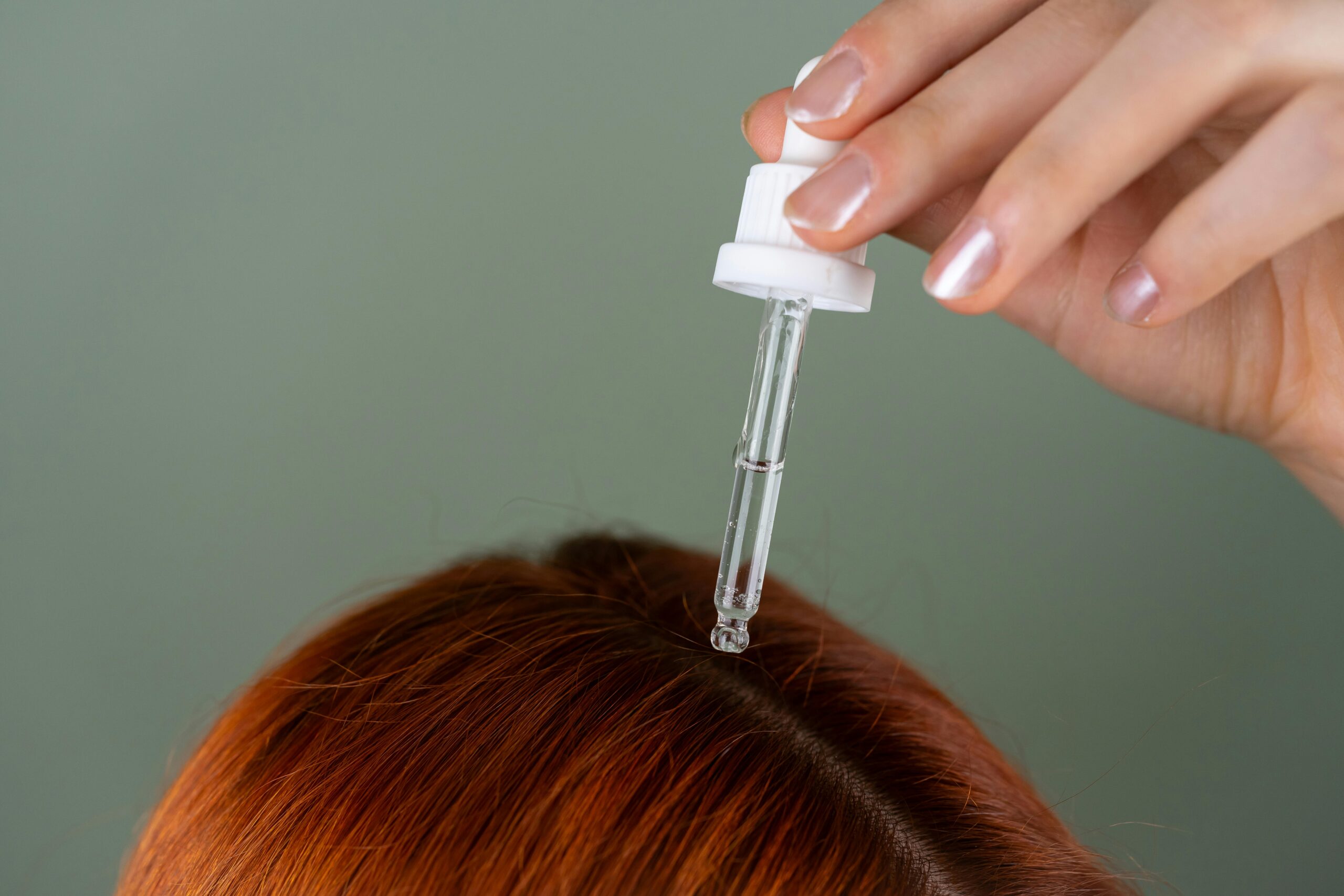
You may include essential oils during your massage. I recommend rosemary essential oil (100% pure) properly diluted in a carrier oil for hair growth support. Rosemary is traditionally used to stimulate circulation and support follicle vitality.
7. Circulation and Blood Pressure Support
Gentle head massage promotes healthy circulation in your scalp and upper body, supporting tissue nourishment and sensory regulation.
According to a study, regular scalp massage was shown to have measurable effects on stress-related markers, including reductions in stress hormones, blood pressure, and heart rate. In this research, short scalp massage sessions applied consistently over time supported physiological relaxation responses, even within a busy work environment.
These findings suggest that scalp and head massage can be an effective and accessible tool for stress regulation, without requiring special settings or long-term commitments. When practiced regularly, head massage may support the body’s natural ability to manage stress and restore balance in everyday life.
How to Integrate Head Massage into Daily Life
One of the most valuable head massage benefits is accessibility. It can be practiced:
-
Before sleep
-
During short work breaks
-
As part of an evening ritual
-
Combined with slow, conscious breathing
Consistency matters more than duration. Even brief sessions support long-term nervous system balance.
When Head Massage May Not Be Appropriate
Head massage may not be suitable in cases of acute scalp infection, recent surgery, open wounds, or severe unexplained pain. If discomfort arises, pause the practice and listen to your body.
A Simple Practice with Lasting Impact
Head massage is not about fixing the body—it is about listening to it. Through gentle communication with the nervous system, this practice supports stress regulation, sleep quality, emotional balance, and physical comfort. These head massage benefits build gradually, creating resilience rather than dependency.
Frequently Asked Questions
How often should you do a head massage?
Head massage can be practiced daily or several times per week. Even five minutes can be beneficial when done consistently.
Can a head massage help with anxiety?
Head massage supports nervous system regulation, which may help reduce anxiety symptoms related to stress and sensory overload.
Is a head massage safe for everyone?
Most people tolerate head massage well, but it should be avoided in cases of scalp infection, recent surgery, or unexplained pain.
Can you do a head massage at home?
Yes. Head massage is easily practiced at home using your hands, with or without oil, focusing on slow and gentle movements.
Which essential oil is best for scalp massage?
Rosemary essential oil, properly diluted, is traditionally used to support circulation and hair growth and is well-suited for scalp massage.