

Thai massage benefits include improved flexibility, reduced tension, and a noticeable shift in how your body feels after treatment. If your body feels stiff, heavy, or tight, this type of bodywork can help you feel more open and at ease. Thai massage combines passive stretching and yoga poses with Ayurvedic and Chinese medicine practices, creating a treatment that supports both movement and relaxation. From my experience in professional spa environments, Thai massage benefits are often reflected in better posture, easier movement, and a more balanced, relaxed body after the session. This guide explains how Thai massage works, what benefits you may experience, and what to expect during a Thai massage session.
What Is Thai Massage and Why Do Thai Massage Benefits Feel So Different
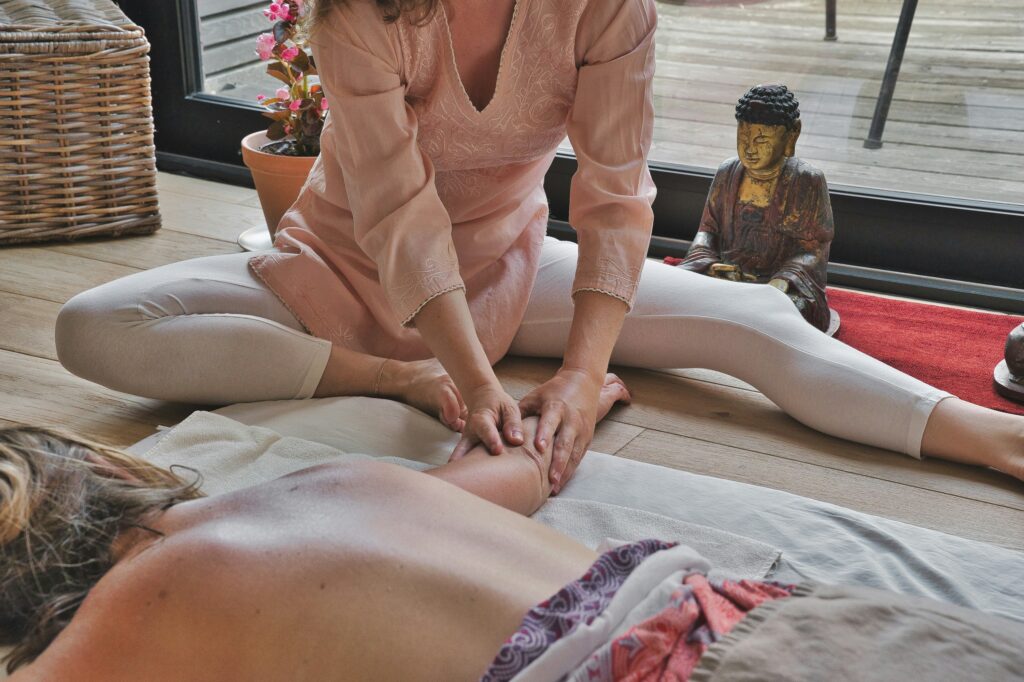
Thai massage is a traditional form of bodywork where your therapist guides your body through controlled stretches and positions while applying pressure along the muscles. This approach is at the core of many Thai massage benefits, especially when it comes to improving flexibility and releasing built-up tension.
You remain fully clothed, and the session usually takes place on a mat. Movements are slow and connected, allowing your body to release tension progressively while staying supported throughout.
In practice, this feels like your body is being opened step by step. Areas that felt tight begin to soften, your breathing becomes deeper, and you feel more present and comfortable in your body. There is also a traditional concept behind Thai massage involving energy pathways, often referred to as sen lines. In modern practice, this is associated with improved circulation, mobility, and how your body responds to stress.
How Thai Massage Works in the Body
Thai massage follows a continuous flow across the entire body rather than focusing on isolated areas.
Your therapist uses pressure through hands, forearms, and elbows, combined with assisted stretching and gentle joint mobilization. The movements connect one part of the body to another, creating a natural rhythm. This approach supports the body in releasing tension without forcing it. Many people choose Thai massage when they feel tight in the hips, back, or shoulders, or when their body feels restricted from daily routines.
Thai Massage Benefits for Body and Mind
1. Improves flexibility and ease of movement
One of the most noticeable Thai massage benefits is how your body begins to move more freely. Assisted stretching helps muscles and joints release gradually, reducing resistance in movement.
According to research, Thai massage may help you move better and perform more efficiently, supporting flexibility, strength, agility, and endurance, while also helping reduce muscle tension, improve circulation, and support faster recovery. These effects are likely linked to how Thai massage stimulates blood flow, supports muscle relaxation, and helps your nervous system shift into a more balanced state allowing your body to recover, adapt, and perform with less restriction.
2. Helps release deep muscle tension
The combination of pressure and stretching works into areas where tension tends to build and stay for longer periods. This type of tension is often linked to trigger points, which respond well to this approach.
Thai massage may help you move better and feel more efficient in your body, supporting flexibility and reducing muscular restriction.
More targeted studies on shoulder tension have shown that traditional Thai massage techniques can reduce pain levels and increase pressure pain threshold in the upper trapezius muscle. In these studies, pain was measured using a validated visual analog scale (VAS), where participants rated their pain from no discomfort to severe intensity. Results showed clear reductions in perceived pain after treatment, supporting the role of Thai massage in relieving deep muscular tension.
3. Supports back comfort and posture
Gentle twisting and stretching movements help create more space through your back and hips, especially if you suffer from back pain. You may notice that standing and sitting feel more natural, with less pressure in your lower back and shoulders.
Study shows that traditional Thai massage may help reduce pain and improve mobility in people with chronic low back pain, with short-term improvements in both pain levels and daily function, showing similar effectiveness to joint mobilization techniques.
More research shows that Thai massage may help support postural stability and balance in children with overweight or obesity, helping maintain better body control over time, although more research is needed to confirm long-term effects.
4. Encourages circulation and reduces heaviness
The rhythmic pressure and continuous movement used in Thai massage help stimulate circulation and reduce that heavy, stagnant feeling that can build up in the body over time. This is especially noticeable if you spend long hours sitting, traveling, or feeling physically and mentally drained.
As circulation improves, your body begins to feel more awake, nourished, and responsive. Areas that once felt tight or sluggish start to soften, and movement becomes more fluid and effortless.
After the session, you may notice a lighter, more balanced sensation throughout your body, with less tension, better mobility, and an overall sense of ease in how you move and carry yourself.
5. Supports relaxation and mental clarity
Thai massage can have a calming effect on the nervous system.
Breathing becomes slower, the body softens, and the mind settles. This is why it integrates well within a broader spa therapy routine.
6. Helps ease neck and shoulder tension
Tension often builds in your neck and shoulders from posture, long hours at a desk, and daily stress, creating stiffness and discomfort over time.
Thai massage works through these areas gradually, using targeted pressure and gentle stretching to release tightness without forcing the body. As the muscles begin to soften, you may notice improved mobility, less tension, and a greater sense of ease through your upper body.
Combining this with head massage benefits can help support longer-lasting results, especially if you tend to hold stress in your neck and shoulders.
7. Creates a balanced and energized feeling
One of the most appreciated Thai massage benefits is how your energy shifts after the session.
The body feels relaxed while the mind remains clear, creating a sense of balance and renewed energy.
Facts You Should Know About Thai Massage
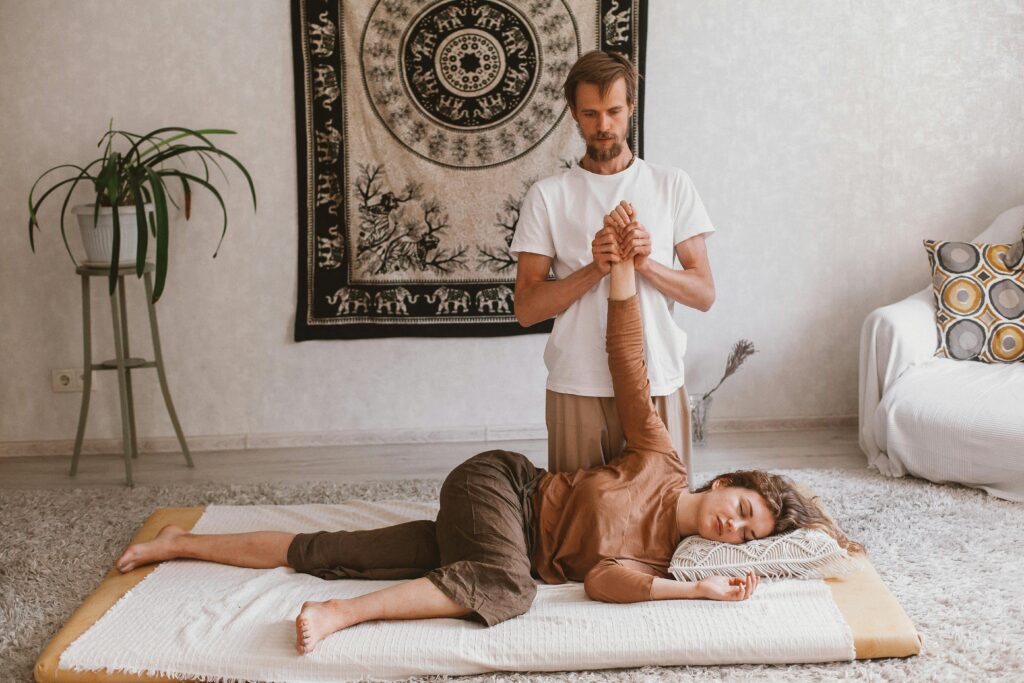
- Thai massage is performed on a mat rather than a massage table
- It involves guided movement instead of passive touch
- Sessions are typically longer than standard massages
- It requires specialized training and proper technique
- It supports both physical and mental balance
What to Expect During a Thai Massage Session
You’ll stay fully clothed, wearing something comfortable that allows you to move easily. The session usually takes place on a mat or a firm surface rather than a massage table, and traditional Thai massage doesn’t use oils.
Your therapist will work using their hands, elbows, forearms, and sometimes even their feet, guiding your body through a series of stretches, pressure, and controlled movements. Instead of just lying still, you’ll feel your body being gently moved and opened step by step.
A well-delivered session feels guided, not forced, allowing your body to release tension gradually and naturally.
Who Should Be Cautious
Thai massage is not suitable for everyone.
If you have any of the following conditions, it’s important to pause and check with your doctor before booking:
- Heart conditions
- High blood pressure
- Osteoporosis
- Diabetes
- Cancer
- Recent injuries or inflammation
In a professional setting, a well-delivered treatment is always adapted to your body. The goal is not to push through discomfort, but to work with your body in a way that feels safe, supportive, and effective.
FAQs
What should I wear to a Thai massage session?
You should wear loose, comfortable clothing that allows your body to move easily during stretching and positioning.
Is Thai massage painful?
Thai massage should not feel painful when performed correctly. You may feel deep pressure or stretching, but it should always remain within your comfort level.
How long does a Thai massage session last?
Most sessions last between 60 and 90 minutes, allowing enough time to work through the entire body.
How often should you get a Thai massage?
This depends on your needs, but many people benefit from sessions every one to two weeks, especially if they experience regular tension.
Can Thai massage help with stress?
Thai massage may support relaxation and help calm the nervous system, contributing to a reduced sense of stress and improved overall well-being.