

Are you searching for actionable answers on how to get massage clients and keep them? You’re not alone. Many therapists struggle to attract new bookings and turn them into loyal, repeat visitors. In this guide, you’ll learn exactly how to get massage clients and keep them using proven strategies to build a reliable, thriving practice.
Let us break down the five crucial steps of this journey. You will learn how to turn random bookings into predictable revenue and transform a good massage into a premium wellness experience.
1. Attraction — Why Clients Choose You
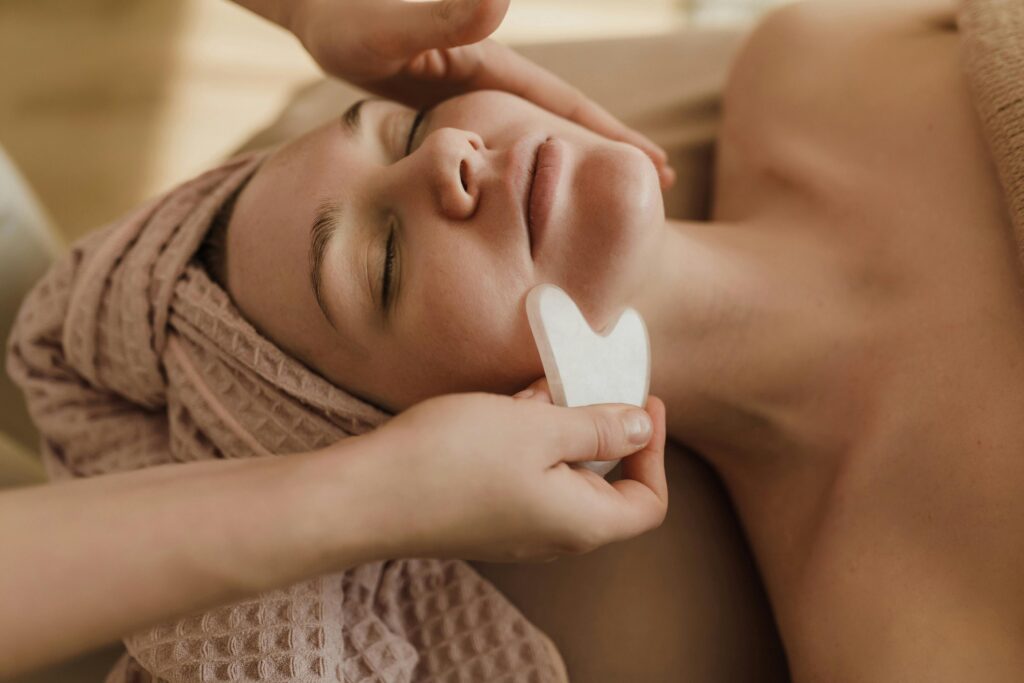
Before a client even steps into your treatment room, their journey has already begun. People wake up with a problem, and they look for someone who can solve it.
Clients choose you based on your positioning, your messaging, and the trust signals you display online. If your marketing simply says, “I offer massage,” you blend in with every other therapist in your area. You must position yourself clearly to stand out.
Instead of listing modalities, focus on the outcomes you deliver. Are you the expert in stress and nervous system regulation? Do you specialize in pain relief and functional results? Or do you provide a premium wellness experience?
This clarity attracts the right clients to your table. When you speak directly to a specific need, people feel understood. They stop looking for the cheapest option and start looking for the right professional. Your goal in the attraction phase is not just to get more clients, but to get the right clients who value your specific expertise.
2. First Impression — Building Trust Instantly
The consultation is arguably the most important part of your entire service. This brief window of time is where a new client decides if they can truly trust you.
Many therapists rush through the intake form and ask a few basic questions before leaving the room. This is a missed opportunity. Your consultation sets the tone for the entire professional relationship. Focus on understanding their lifestyle, their daily stress levels, and the root cause of their pain points.
Ask specific, relevant questions that show you are paying attention. Show confidence in your voice and professionalism in your demeanor. Clients are not simply buying a massage from you. They are buying certainty and care.
When you take the time to listen deeply and validate their concerns, you lower their defenses. They relax on the table much faster because they know they are in capable hands. That instant trust forms the foundation of long-term retention.
3. Treatment Experience — Where Retention Begins
A common myth in this industry is that client retention happens after the massage, usually when they are paying. In reality, retention happens during the treatment itself.
Your session must follow a clear, intentional structure. Randomly applying techniques you learned over the years will not create a cohesive experience. You definitely must focus on outcomes rather than just basic relaxation.
This is where small, high-value touches make a massive difference. Pay attention to the temperature of the room, the rhythm of your strokes, and the seamless flow of your transitions. Every movement should feel deliberate. This level of detail is exactly why having a structured treatment protocol becomes absolutely essential for your practice.
To elevate your sessions, review our Premium Massage Treatment Protocol guide.
A well-structured treatment creates deeper physical results for the client. It also creates a much higher perceived value and a stronger emotional connection. When someone feels completely taken care of, returning to your schedule becomes an easy decision.
4. Rebooking System — Before the Client Leaves
If you wait for the client to decide to book later, most of them will not return. Life gets busy, and their good intentions fade. Rebooking must function as a mandatory part of your business system always.
Most therapists make the mistake of asking a passive question: “Would you like to book again?” This leaves the mental heavy lifting to the client. Instead, you need to guide the process with professional authority.
Explain exactly what their body needs next based on the treatment you just provided. Suggest a clear timeline, whether that means seeing them weekly, bi-weekly, or monthly. Position their next appointment as a necessary part of their ongoing progress and wellness strategy.
Clients usually do not rebook simply because they felt good for an hour. They will choose to see you again because they understand what comes next. When you take the lead, you remove the friction from the rebooking process.
5. Loyalty & Referrals — Turning One Client Into Many

A strong, intentional client journey naturally leads to organic referrals. You never need to push or beg for them. You just need to structure your business in a way that encourages them.
Focus heavily on delivering a consistent experience during every single visit. It is easy to give a great first massage, but your tenth massage with a client should be just as focused and premium. Remember their preferences, from the pressure they like to the music they prefer.
Recommend relevant add-ons or retail products that genuinely support their wellness goals. Create a deep sense of continuity so the client feels like you are a permanent partner in their health journey.
When people feel deeply cared for, they talk to their friends and family, and when they see tangible results, they return again and again.
6. Why Most Massage Therapists Struggle With Client Retention
Many massage therapists find that attracting new clients is only half the battle—keeping those clients coming back is where most stumble. Client retention often suffers because there is no consistent system in place. Therapists may focus all their energy on the hands-on session, but neglect follow-up, education, and continuity after the massage ends.
Other common reasons for low retention include failing to establish clear expectations, not providing a personalized client experience, and lacking a structured rebooking process. When clients don’t understand the value of regular treatments or aren’t guided on what to do next, they are unlikely to become repeat visitors.
Understanding why clients leave—and proactively addressing these gaps—is the first step toward mastering how to get massage clients and keep them for the long term.
7. Why Fully Booked Doesn’t Always Mean Profitable
Many independent therapists work incredibly hard to reach a point where their schedule is completely full. Yet, they look at their bank accounts and still feel financially stuck. Being busy does not automatically equal being profitable.
This burnout happens when your prices are too low to sustain your business model. It also happens when you offer no upgrades or premium packages, leaving money on the table. If your sessions are not optimized for maximum value, you will work harder, not smarter.
Implementing a strong client journey directly increases your revenue per client. It extends the lifetime value of every person who walks through your door and brings overall stability to your business.
If you want consistent clients, stable income, and sustainable long-term growth, you need a reliable business system. The massage client journey transforms one-time bookings into loyal advocates. It turns inconsistent income into predictable revenue and elevates good therapists into high-performing professionals.
Frequently Asked Questions
How do I get massage clients to come back regularly?
Focus on creating a structured treatment plan, a clear rebooking process, and a consistent client experience. When you deliver visible results and communicate a clear plan, clients prioritize their return visits.
What is the best way to increase client retention in massage therapy?
Client retention improves dramatically when you combine a strong, thorough consultation with outcome-based treatments. Follow this up with a clear system for guiding the client to their next appointment.
Why do massage clients not rebook?
Most clients fail to rebook because the therapist provides no clear next step. If you do not explain the long-term plan or the benefits of returning, the client views the massage as a one-time luxury rather than an ongoing necessity.
How can I increase revenue without working more hours?
You must increase your average revenue per client. Achieve this through a strategic pricing model, offering high-value packages, introducing premium add-ons, and optimizing your structured client journey.
What makes a massage business successful long-term?
Long-term success relies on consistency, exceptional client retention, and a repeatable system. You need a framework that reliably turns brand-new visitors into loyal, repeat clients over months and years.




)
&description=&image=https://essential-moments.com/wp-content/uploads/2026/04/pexels-artbovich-6899544-1024x683.jpg)