
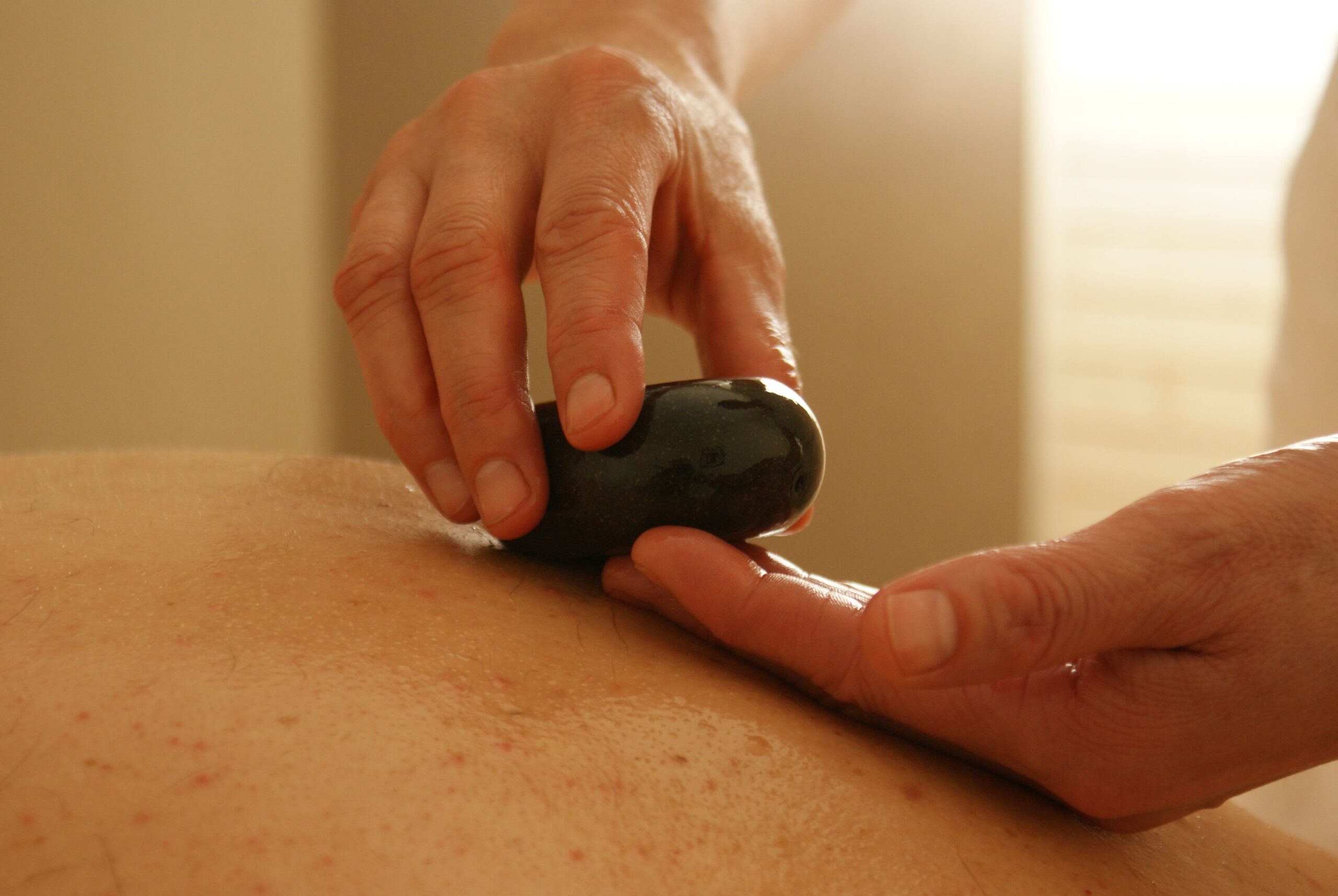
For many individuals, massage only becomes a priority when the body starts asking for help. If you have ever wondered how often you should get a massage for stress, sleep, and muscle recovery, the answer depends entirely on your unique body, lifestyle, and wellness goals. Massage therapy goes far beyond a simple luxury treatment — when scheduled consistently, it becomes one of the most effective tools for profound relaxation, improved sleep quality, and nervous system regulation.
How Often Should You Get a Massage for Stress Relief?

When emotional and mental tension is your primary concern, booking a massage every two to four weeks establishes an excellent rhythm. Stress accumulates quietly in the body, often showing up as physical pain before we even realize we feel overwhelmed. This is why consistency matters.
According to research, massage therapy followed by rest, as well as massage combined with Reiki, was shown to reduce stress levels and improve overall quality of life, with the massage and Reiki group experiencing especially strong benefits in mental and emotional wellbeing.
Understanding how often you should get a massage for stress relief ensures the benefits last longer between appointments.
For clients experiencing intense work pressure, mental fatigue, stiff necks, tight shoulders, or nervous system overload, I usually recommend starting with a session two times per week. This increased frequency creates a consistent healing pattern before tension has a chance to build up again. Frequent touch therapy lowers cortisol levels and boosts your natural mood-enhancing hormones, giving your mind a much-needed break from the noise of daily life.
If you navigate a particularly demanding lifestyle, weekly sessions deliver exceptional benefits during your first month of treatment. When considering how often you should get a massage for stress, sleep, and muscle recovery, we use this time to calm your overactive nervous system and bring your body back to a baseline of peace. Once your body starts responding better to the treatments and holding onto relaxation longer, how often you should get a massage can be adjusted, and we can seamlessly transition you into a monthly maintenance schedule.
How Often Should You Get a Massage for Better Sleep?
For dedicated sleep support, enjoying a weekly massage for three to four consecutive weeks often works beautifully, especially when you consider how often you should get a massage. Quality sleep routine forms the foundation of all premium wellness and beauty routines, yet so many people struggle to rest deeply. Asking yourself how often you should get a massage can be the first step toward improving nighttime relaxation and long-term rest.
Massage therapy actively helps lower stress hormones and relaxes your physical body right before bedtime. According to a study, massage therapy may help reduce cortisol levels and enhance vagal activity, supporting the body’s parasympathetic “rest and digest” response, which plays an important role in relaxation and better sleep quality. Wondering how often you should get a massage as part of your sleep routine? Regular bodywork also reduces nighttime muscle cramps and physical restlessness that might otherwise wake you up at 3 AM. By knowing how often you should get a massage for stress, sleep, and muscle recovery, you can support better, more restorative rest.
After your first month of weekly visits focusing on how often you should get a massage, you will likely notice a dramatic shift in your sleep architecture. Many people do incredibly well stepping down to twice-monthly or even monthly sessions once their sleep cycle regulates. To deepen this evening relaxation and get the most out of how often you should get a massage for stress, sleep, and muscle recovery, I highly recommend exploring my guide on 7 Head Massage Benefits for Stress, Sleep & Nervous System Health. Incorporating targeted scalp work into your sessions specifically signals your brain that it is safe to finally power down and connects directly to the broader benefits of understanding how often you should get a massage.
How Often Should You Get a Massage for Muscle Recovery?
When we look at muscle recovery and consider how often should you get a massage, the ideal frequency depends heavily on your daily activity level and workout intensity. Muscles need adequate circulation to heal, and targeted massage pushes oxygen-rich blood directly into fatigued tissues. If you’re asking yourself how often should you get a massage to support muscle recovery, remember that regular massage treatments can play a significant role in performance, flexibility, and injury prevention.
If you maintain an active lifestyle or visit the gym regularly and are wondering how often should you get a massage, scheduling a session every one to two weeks keeps your muscles supple and responsive. For professional athletes or individuals with physically demanding jobs, how often should you get a massage becomes even more essential—weekly treatments are practically mandatory to prevent injury and manage lactic acid buildup. If you simply want general muscle maintenance to counteract sitting at a desk all day, visiting your therapist every three to four weeks ensures you stay supported and helps answer the question of how often should you get a massage for stress, sleep, and muscle recovery.
Deep tissue techniques and sports recovery protocols deliver the best results when applied consistently, especially when you’re focused on how often should you get a massage for muscle recovery. During intense training periods, marathon preparation, or heavy lifting cycles, your muscle fibers experience micro-tears that require immediate and professional attention to heal smoothly. Keeping in mind how often should you get a massage during these phases ensures faster recovery and reduces your risk of injury. By making how often should you get a massage part of your wellness plan, you maximize every benefit your body receives post-exercise.
Is Weekly Massage Too Much?
Clients often ask me if booking a massage every single week is simply too much for the body to handle or if it affects how often should you get a massage for stress, sleep, and muscle recovery. The answer is not necessarily.
Consider weekly massage if you experience:
- Chronic tightness
- Active emotional stress
- Poor sleep patterns
- A high physical workload
- Specific injury recovery needs
In these cases, the answer to how often should you get a massage for stress, sleep, and muscle recovery may be more frequent than you expect. The most important factor is how your therapist adjusts the pressure and technique during each visit, ensuring that how often should you get a massage treatment fits your individual needs and spa goals.
Weekly massage becomes an ideal protocol if you currently suffer from:
- chronic tightness
- active emotional stress
- poor sleep patterns
- a high physical workload
- specific injury recovery needs
—In these cases, the answer to how often should you get a massage for stress, sleep, and muscle recovery may be more frequent than you expect. The most important factor is how your therapist adjusts the pressure and technique during each visit, ensuring that how often should you get a massage fits your individual needs and spa goals.
For example, receiving a highly intense deep tissue massage every week might feel too aggressive for your soft tissues over a long period. However, alternating a deep muscle recovery session with a soothing, light-pressure relaxation massage provides the perfect balance—especially when thinking about how often should you get a massage for stress, sleep, and muscle recovery and the type of session that fits your needs. As your spa therapist, I constantly assess your tissue quality and adjust our treatment plan to ensure how often should you get a massage treatment is always optimal and that we never overwork your body.
Signs You May Need More Frequent Massage

Your body constantly communicates its needs; you just have to listen to the subtle signals. Sometimes, when considering how often should you get a massage, a monthly visit simply does not cut it, and you need to increase your frequency to reclaim your wellbeing. Regularly reassessing how often should you get a massage makes all the difference in supporting your overall health and premium spa experience.
Pay attention to these clear indicators that you need to book your next session sooner rather than later and reassess how often should you get a massage for stress, sleep, and muscle recovery:
- Physical tension returns within days of your last treatment
- Poor sleep persists despite a good evening routine
- You experience recurring neck and shoulder pain
- Tension headaches become a regular part of your week
- Your overall stress and anxiety levels remain stubbornly high
- Post-workout soreness lasts longer than usual
FAQ’S
What is the ideal frequency for getting a massage?
The ideal frequency depends on your lifestyle, stress levels, physical activity, and goals. Many people benefit from once or twice weekly sessions during stressful or physically demanding periods, then shift to monthly maintenance as their body adapts.
Can massage therapy really improve sleep quality?
Absolutely. Regular massage can support deeper and more restful sleep by activating the parasympathetic nervous system, lowering cortisol, and helping your body wind down before bed.
How do I know if I need more frequent massages?
If tension, sleep problems, or pain return quickly after each session, or you’re facing new stress or increased activity, it’s a sign your body may need massage more often.
Is it safe to get deep tissue massage every week?
It depends on your body and needs. For some, weekly deep tissue sessions are beneficial during high-intensity training or recovery. For others, alternating with relaxation techniques is more gentle and sustainable.
What should I do before my massage to get the most out of it?
Take time to relax, hydrate well, and communicate your needs to your therapist. For more tips, check out our guide on How to Prepare for a Massage in 2026: Essential Tips for Your Best Luxury Wellness Experience.