Botanical ingredients in skincare offer natural benefits, from antioxidants to anti-aging properties. This article explores the top plant-based components and how they enhance the health and radiance of your complexion. Let’s dive into nature’s best solutions for your beauty routine.
Why Are Botanical Ingredients Essential for Healthy Skin?
Throughout my years working in luxury spas across the globe—from the Mediterranean coast to the wellness sanctuaries of Asia—I’ve seen the powerful effect nature can have on our skin and wellbeing.
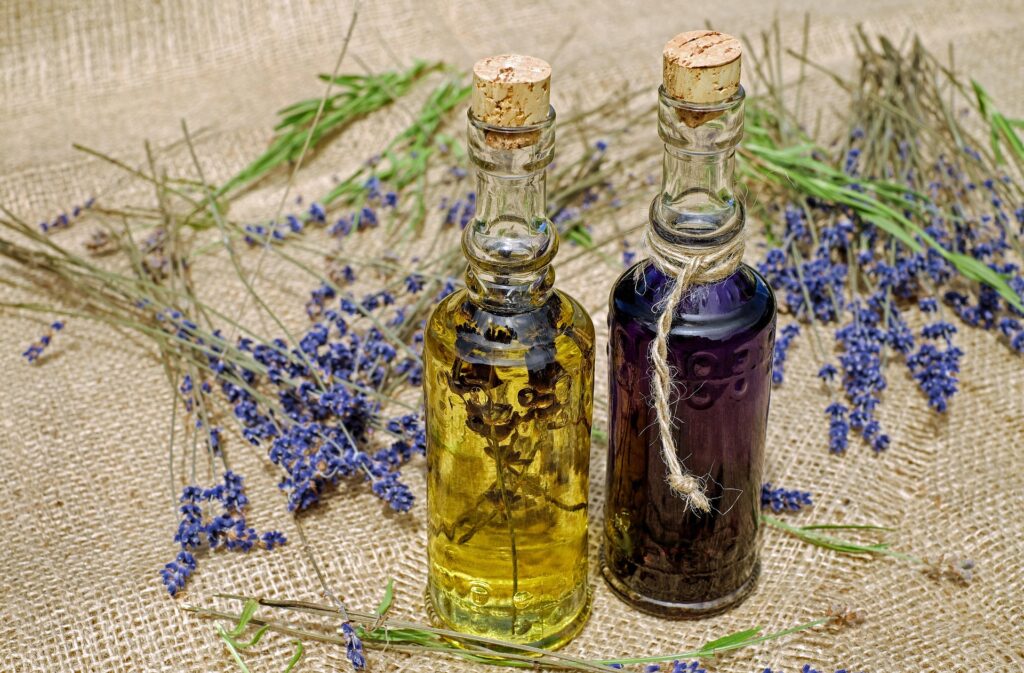
In my signature body and face treatments, I often turn to nature’s most time-honored remedies: organic rose oil and witch hazel to calm and soothe dry, delicate skin, or prickly pear and marshmallow root to restore hydration and vitality to depleted complexions. These botanical ingredients gently adapt to the skin’s unique needs, offering not only targeted results but also a deeper sense of care.
Each plant I choose carries its own story of resilience, renewal, and quiet strength. When blended with a mindful, intentional touch, they become more than just skincare—they form a ritual of connection, where nature’s wisdom meets the healing power of caring hands.
Science-Backed Botanical Ingredients Benefits for Skin Health
- Moisturizing
- Anti-aging
- Antimicrobial
- Antioxidant
- Anti-inflammatory
- Regenerative
- Wound healing
- Photoprotective
- Anti-tyrosinase activity (skin brightening/depigmenting)
- Coloring agents
Can Botanical Ingredients Protect Your Skin from UV Damage?
Our skin is constantly exposed to environmental stressors, and among the most damaging is ultraviolet (UV) radiation.
Over time, repeated sun exposure triggers the accumulation of harmful molecules known as reactive oxygen species (ROS), resulting in oxidative stress. This can accelerate visible signs of aging and, more seriously, increase the risk of significant skin conditions. However, nature provides practical solutions to combat these challenges.
Rich in antioxidants and anti-inflammatory agents, botanical ingredients have shown remarkable potential in protecting the skin from UV damage. These plant-based allies can neutralize free radicals, calm inflammation, and even help regulate the skin’s natural defense mechanisms. According to a 2023 study, certain botanical ingredients can strengthen the skin’s protective barrier by activating protective enzymes. Naturally derived botanical ingredients are especially appealing because they deliver effective results while remaining gentle and soothing, offering you a safer alternative to harsher synthetic products.
Let’s dive into the nine botanical ingredients I’ve come to rely on throughout my years of hands-on experience—each one a natural ally in nurturing, protecting, and revitalizing the skin.
1. Squalene
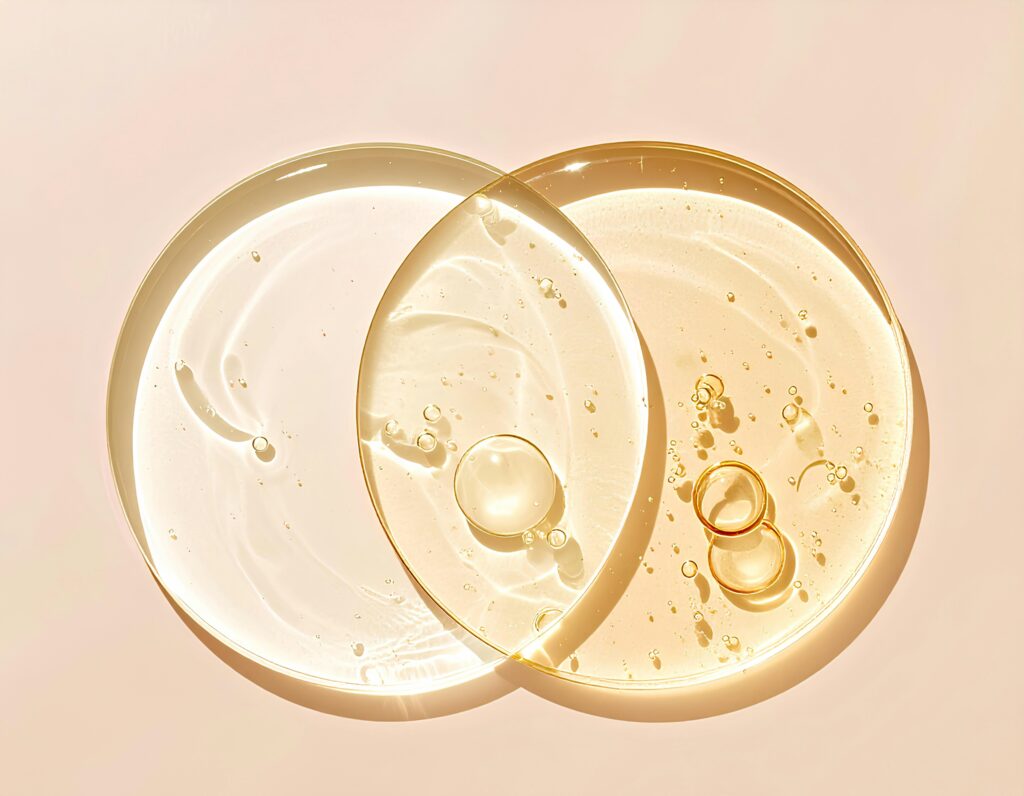
Squalene is a natural lipid found in human skin and a key intermediate in cholesterol biosynthesis. Originally sourced from shark liver oil, it is now commonly derived from plant oils such as olive and rice bran, playing a vital role in skin hydration, protection, and defense against oxidative stress.
It’s widely used in cosmetics and pharmaceuticals, including emulsions and nanostructured lipid carriers, often combined with compounds like coenzyme Q10 and vitamins A, E, and K to support skin health.
Research has shown that squalane, a stable and skin-loving derivative of squalene, can help your skin defend itself against UVA damage by reducing oxidative stress and calming inflammation. It supports collagen production, helps your skin repair itself more quickly, and maintains critical cellular processes in balance. This means squalane not only helps protect against environmental stressors but also promotes a smoother, firmer, and healthier-looking complexion, making it a powerful ally in your anti-aging, after-sun, and repair routines.
2. Plant-Based Retinoids: Efficacy and Potential in Skin Rejuvenation
Retinol, a derivative of vitamin A, is a potent compound widely used in skincare for its proven ability to reduce wrinkles, boost collagen, and improve skin tone. Traditionally, retinol is synthesized through a chemical process using animal-derived or synthetic sources. It begins with the extraction or production of beta-ionone (a key building block), which is chemically converted into retinyl esters and then into pure retinol through a series of controlled reactions.
With growing interest in cleaner and more sustainable alternatives, the skincare industry has also explored plant-based options. These do not contain retinol itself but use botanical compounds—such as bakuchiol, phytol, or specific carotenoids—that mimic the effects of retinol on the skin.
A 2021 study examines how specific plant-based compounds can replicate the effects of vitamin A (retinoids), which are renowned for their anti-aging benefits on the skin. While traditional retinoids, such as retinol, are effective, they often cause irritation. The researchers looked at natural alternatives from plants that could offer similar skin-rejuvenating benefits without the side effects.
3. Soy
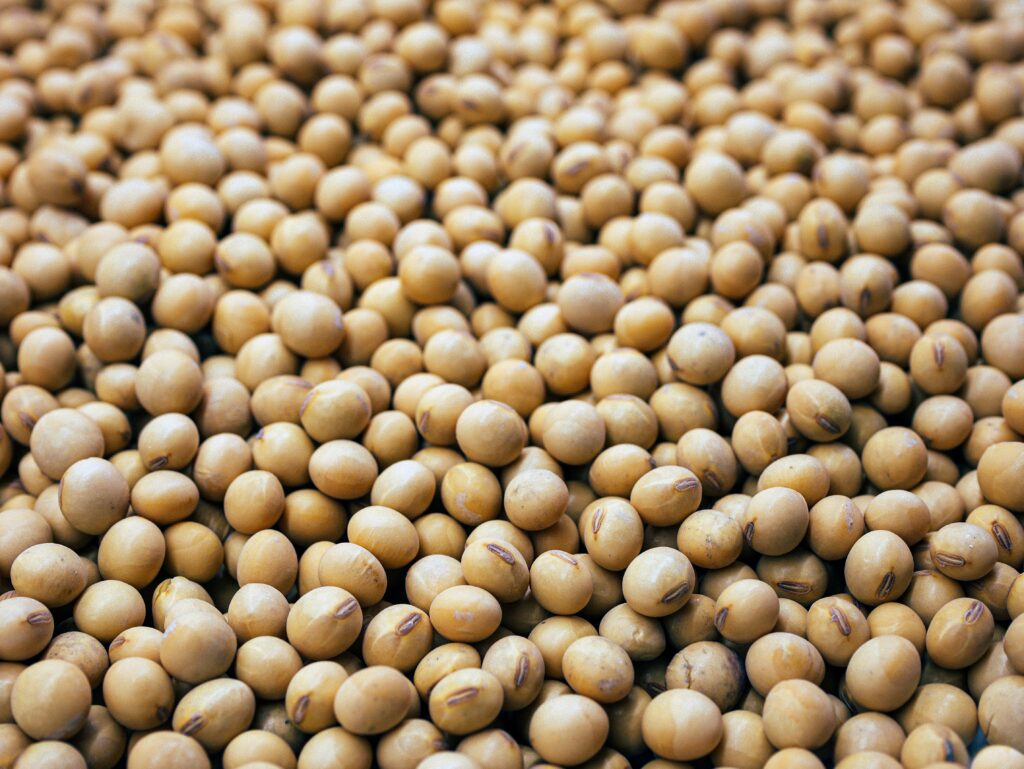
Soy stands out in the realm of botanical extracts, serving as a robust source of nourishment for both your skin’s health and your overall well-being. The primary constituents found in soy, including phospholipids, isoflavones, and saponins, are responsible for its impressive antioxidant capabilities as well as anti-aging and hydrating effects.
Isoflavones derived from soy play a crucial role in stimulating collagen production, which in turn bolsters skin density, thereby diminishing fine lines while enhancing suppleness. If you’re on the quest for either a steadfast moisturizer or an efficacious age-defying remedy, products infused with soy offer versatile advantages designed to meet assorted skincare requirements.
Additionally, studies have shown that soy-based products safely and effectively treat hyperpigmentation by blocking melanin transfer at the cellular level, offering a gentle alternative to traditional treatments.
4. Tea Extracts: Green, Black, and White
Extracts from tea have emerged as a valuable addition to botanical skin care products. Infused with high concentrations of antioxidants and polyphenols, green, black, or white tea extracts serve as robust defenders against free radicals, shielding the skin from oxidative damage.
Specifically highlighting green tea, it contains epigallocatechin gallate (EGCG), a potent antioxidant recognized for its ability to effectively alleviate inflammation and delay the signs of aging.
Meanwhile, black tea is acclaimed for its formidable defense against UV radiation damage – an ideal component for incorporating sun protection within skincare solutions. Demonstrated research reveals that both green and black tea extracts bolster the resilience of the skin’s barrier function while soothing inflammatory conditions, promoting holistic well-being of your complexion.
White tea has the highest concentration of antioxidants among all types of teas, largely due to its minimal processing, which helps preserve greater amounts of tea flavonoids and polyphenols.
5. Niacinamide
Plant-Based Niacinamide, a form of vitamin B3, can be obtained from ingredients like Potato Starch and Banana, and may help with:
- soothe irritation
- fight bacteria
- protect against sun damage
- reduce oiliness
- brighten the skin
Studies have demonstrated that a niacinamide-containing facial moisturizer significantly improves the stratum corneum barrier function and hydration in patients with rosacea, resulting in reduced transepidermal water loss, increased skin capacitance, and a marked improvement in clinical signs, including erythema, dryness, scaling, and inflammatory lesions.
Both objective measures and subjective evaluations confirmed the moisturizer’s effectiveness, suggesting that niacinamide can be a beneficial adjuvant in managing rosacea by enhancing skin barrier integrity and reducing sensitivity.
6. Coffeeberry
Introduced at the 2007 Annual Meeting of the American Academy of Dermatology, Coffeeberry has quickly gained prominence in the skincare industry. Its robust antioxidant capabilities are pivotal for countering oxidative stress, a significant contributor to skin aging.
Encapsulating coffee berry extract in tiny liposomes helps protect its valuable ingredients, making them last longer and absorb better into the skin. This not only reduces any potential irritation but also enhances its natural anti-aging effects. Scientific tests have demonstrated that this liposomal form is more effective in protecting skin cells from damage and supporting collagen production, thereby helping to maintain the skin’s firmness and health.
According to studies, applying the liposomal coffee berry cream for just a few weeks noticeably improved skin elasticity and lightened skin tone, without causing any irritation. These results demonstrate that liposomal coffee berry extract is a powerful, safe, and effective ingredient for skincare products targeting aging and brightening.
By incorporating products containing Coffeeberry into your daily skincare routine, you can harness the powerful antioxidant benefits of this ingredient, resulting in more radiant and youthful-looking skin.
7. Pomegranate
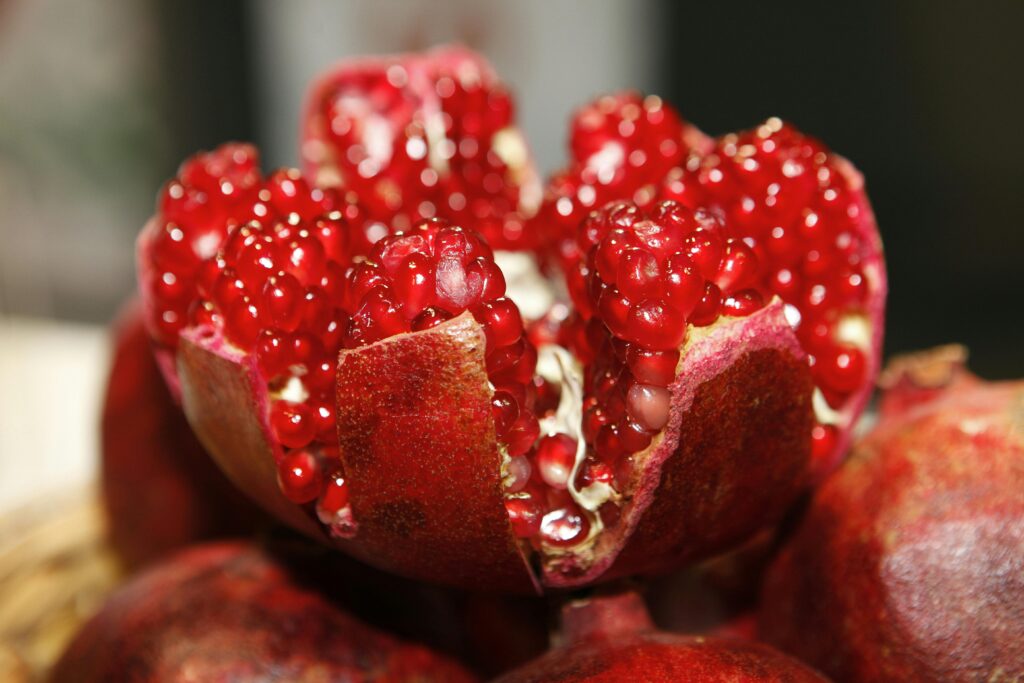
Pomegranate is a true skin-loving superfruit that you’ll want to include in your wellness routine. Each jewel-like seed is wrapped in a luscious, antioxidant-rich pulp that helps activate your skin’s natural cellular renewal, protecting it from daily stress and early signs of aging.
Even more powerful is the seed oil, rich in vitamin C, B5, and potassium, which delivers deep hydration while revitalizing, firming, and supporting your skin’s natural glow.
A fascinating study revealed that when these compounds are extracted and formulated into a luxurious topical cream, they actively support skin regeneration by protecting against oxidative stress, one of the main culprits of premature aging. Even more impressive, the cream was found to be safe, non-irritating, and capable of penetrating the skin deeply, achieving over 43% absorption in just a few hours.
In human trials, it visibly reduced signs of aging, making pomegranate anthocyanins a remarkable natural ally in restoring skin’s youthful glow. It’s nature’s own skin revival elixir—backed by science and ready to elevate your skincare ritual.
8. Aloe vera
Aloe vera is rich in over 200 bioactive compounds, which endow it with impressive therapeutic potential. It has long been valued for its diverse range of cosmetic and medicinal benefits, supported by both traditional use and modern scientific research.
From its well-established antiviral and antimicrobial properties to emerging evidence of its antidepressant effects and potential in managing skin conditions and metabolic disorders, Aloe vera continues to draw scientific interest. A 2024 study highlights the latest research, detailing its active compounds, safety profile, and commercial potential, emphasizing its significant biological and therapeutic benefits.
9. Chamomile: Nature’s Soothing Agent

Chamomile, particularly the German and Roman varieties, is renowned for its anti-allergenic, calming, and anti-inflammatory properties. Rich in active compounds such as bisabolol, chamazulene, and apigenin, chamomile supports both skin and digestive health. Traditionally used to soothe inflamed skin, ease digestive discomfort, and promote relaxation, it has also been employed as a galactagogue. However, there is currently no solid clinical evidence confirming its effectiveness in increasing breast milk supply.
The soothing properties of chamomile make it a vital component in any skincare routine.
Whether you’re dealing with redness, irritation, or simply looking for a natural way to care for your skin, chamomile offers a calming, nature-inspired path to healthier, more balanced skin
Why Should I Choose Botanical Products Backed by Scientific Research?
Choosing natural botanical ingredients for your skincare and beauty routine isn’t just a lifestyle preference—it’s a decision rooted in science and self-care. Botanical products often contain bioactive compounds that align with the body’s natural functions, offering nourishment without the harsh effects of synthetic alternatives.
But how do you ensure you’re truly getting what the label promises? It starts with asking the right questions and doing your own research.
How Can I Tell if a Product Is Truly Natural?
Not all products labeled “natural” are created equal. Begin by verifying whether the company adheres to transparent labeling and ethical manufacturing practices. A trustworthy brand will clearly disclose every ingredient and its source.
Next, look for certification by independent, reputable bodies. These organizations apply strict standards to verify the authenticity and safety of natural formulations. Certification helps consumers cut through the noise of misleading marketing.
What’s Really Inside My Skincare? Natural vs. Synthetic Ingredients
Many consumers are surprised to learn about the prevalence of synthetic ingredients (compounds produced through chemical synthesis) in conventional products. Some are entirely artificial, such as dimethicone, which is a standard silicone. Others are lab-produced versions of natural substances, such as sorbic acid, which is used as a preservative. Synthetic ingredients can also be chemically modified natural ingredients—glycerin being one example.
While not all synthetic ingredients are harmful, being informed about what you’re applying to your skin is crucial. Natural botanical ingredients often have a more harmonious interaction with the skin’s barrier, reducing the risk of irritation and long-term imbalance.
What Is Greenwashing in Cosmetics?
Greenwashing refers to marketing tactics that make a product seem more natural or eco-friendly than it truly is. Brands might advertise that a cream is “made with jojoba oil,” yet include it in negligible amounts surrounded by a cocktail of synthetic compounds.
This misleading practice isn’t limited to the term “natural”—you’ll also see phrases like “clean,” “green,” or “eco-conscious,” none of which are regulated. To avoid falling for greenwashing, always consult the INCI list (International Nomenclature of Cosmetic Ingredients) and be wary of vague claims.
How Do I Find Products That Meet Real Natural Standards?
To shop smarter, look for trustworthy labels, such as the certification by NATRUE, the International Natural and Organic Cosmetics Association. Based in Brussels, this non-profit organization sets one of the world’s highest standards for authentic natural and organic cosmetics.
The NATRUE label guarantees that a product is formulated with genuine natural ingredients, free from artificial fragrances, petroleum-derived substances, and harmful preservatives. Today, over 7,000 products from more than 370 brands are certified by NATRUE, and all of them are listed in their public database at natrue.org.
Conclusion: Make Informed Choices with Confidence
In a market filled with noise and marketing spin, choosing botanical products grounded in science and backed by certification ensures you’re making informed and safe decisions. Take the time to read labels, ask questions, and understand what’s behind the claims. Your skin—and the planet—will thank you.
Frequently Asked Questions
What are the benefits of using botanical extracts in skincare?
Botanical extracts are excellent for your skin because they provide antioxidant protection, support anti-aging, and enhance hydration. Incorporating them into your skincare routine can enhance your glow!
How can I choose the right botanical ingredients for my skin type?
To choose the right botanical ingredients, first identify your skin type and then select ingredients tailored to its specific needs, such as aloe vera for oily skin or chamomile for sensitive skin. This way, you’ll ensure your skincare routine truly works for you!
Are there any risks associated with using botanical extracts?
Yes, there are risks with botanical extracts, including potential allergic reactions or irritation. It’s a smart move to conduct a patch test before introducing new products.
How can I incorporate botanical extracts into my skincare routine?
Incorporating botanical extracts into your skincare routine is easy—just start with natural cleansers and moisturizers that match your skin type. You can also create DIY recipes, such as rose water or witch hazel toners, to enhance your regimen.
Why is sustainable sourcing important in botanical skincare?
Sustainable sourcing in botanical skincare is crucial because it ensures the use of high-quality ingredients while also supporting local communities and protecting the environment. By choosing sustainably sourced products, you’re making a positive impact on both your skin and the planet.