If you have been feeling overstimulated, emotionally drained, tense, or unable to fully relax, your body may be asking for a nervous system reset routine. A calming nervous system reset routine can help bring you back to a place of safety, softness, and balance when stress has been sitting in your body for too long.
More people are looking for rituals that help them slow down, rest deeply, and recover fully. That is why a nervous system reset routine has become such a meaningful part of everyday wellbeing. Small, supportive practices can help ease the body out of survival mode and gently guide it toward better sleep, emotional steadiness, and full-body recovery.
Why a Nervous System Reset Routine Matters?
Your nervous system influences nearly everything, from sleep and digestion to focus, mood, tension, and energy. When stress stays high for too long, the body can remain stuck in a fight-or-flight state. This often shows up as shallow breathing, tight muscles, racing thoughts, poor sleep, emotional overwhelm, or that wired-but-exhausted feeling.
The goal is to create more moments where your body feels safe enough to soften. A consistent nervous system reset routine supports that process by bringing in rituals that calm the senses, relax the muscles, and encourage deeper recovery.
Let’s discover how restorative wellness practices can help your body slow down and reset.
1. Breathwork for Immediate Calm
Breathwork is one of the simplest ways to support the nervous system because your breath directly affects how your body feels in the moment. When you are stressed, breathing often becomes fast and shallow. When you slow it down, especially the exhale, you send a signal of safety to the body.
Try a simple pattern like this:
- Inhale gently through the nose
- Take a second small inhale
- Exhale slowly through the mouth
Even a few rounds can help soften tension and create a sense of grounded calm. This is a safe place to begin if your days feel heavy, noisy, or overstimulating.
2. Stretching to Release Stored Tension
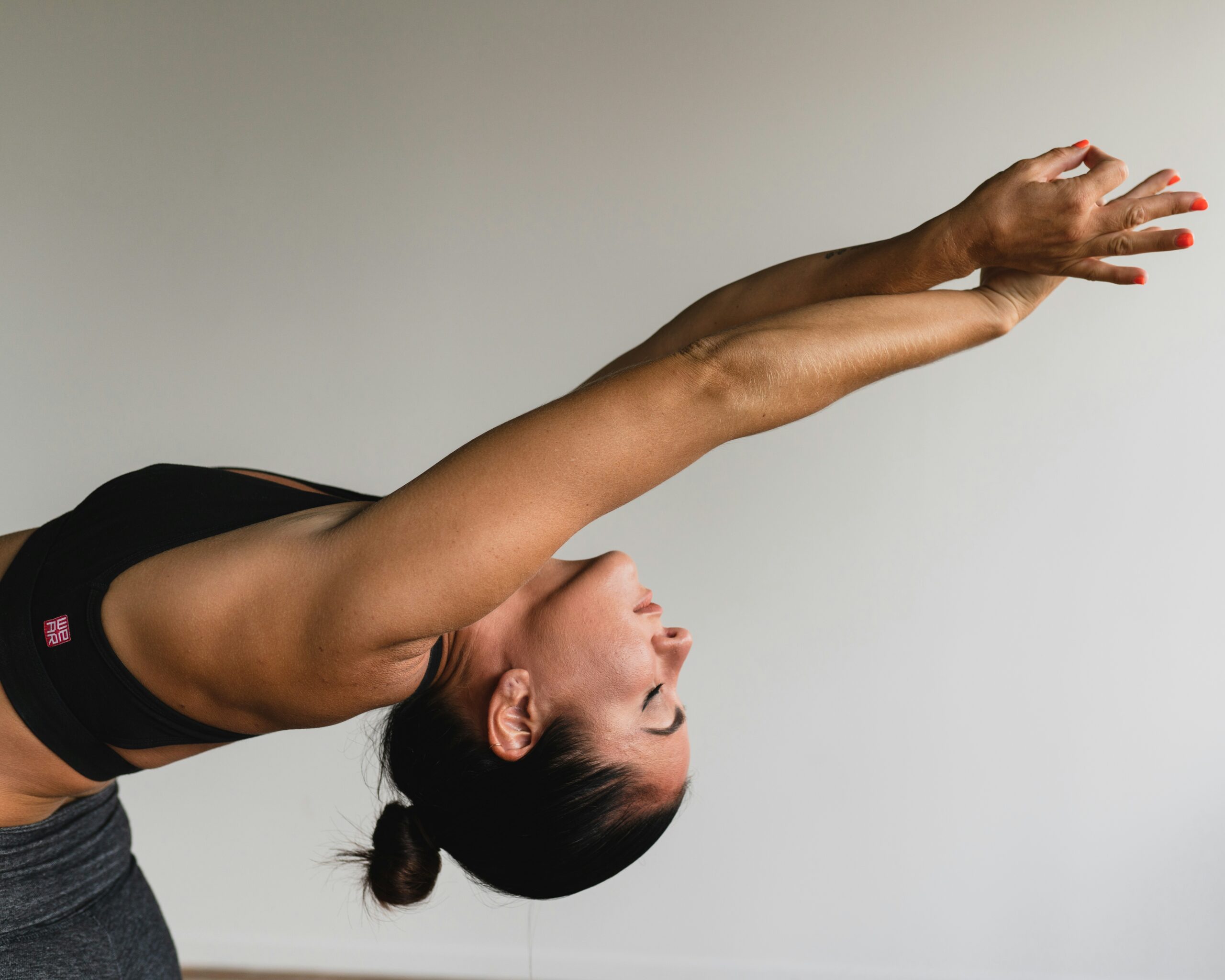
Stress often settles into the neck, shoulders, hips, jaw, and lower back. Gentle stretching helps release some of that physical holding and reminds the body that it does not need to stay braced all day.
Slow, mindful movement is enough. A few minutes of stretching in the morning or before bed can help improve circulation, ease stiffness, and create more space in the body. When the body softens, the mind follows.
3. Yoga for Regulation and Reconnection

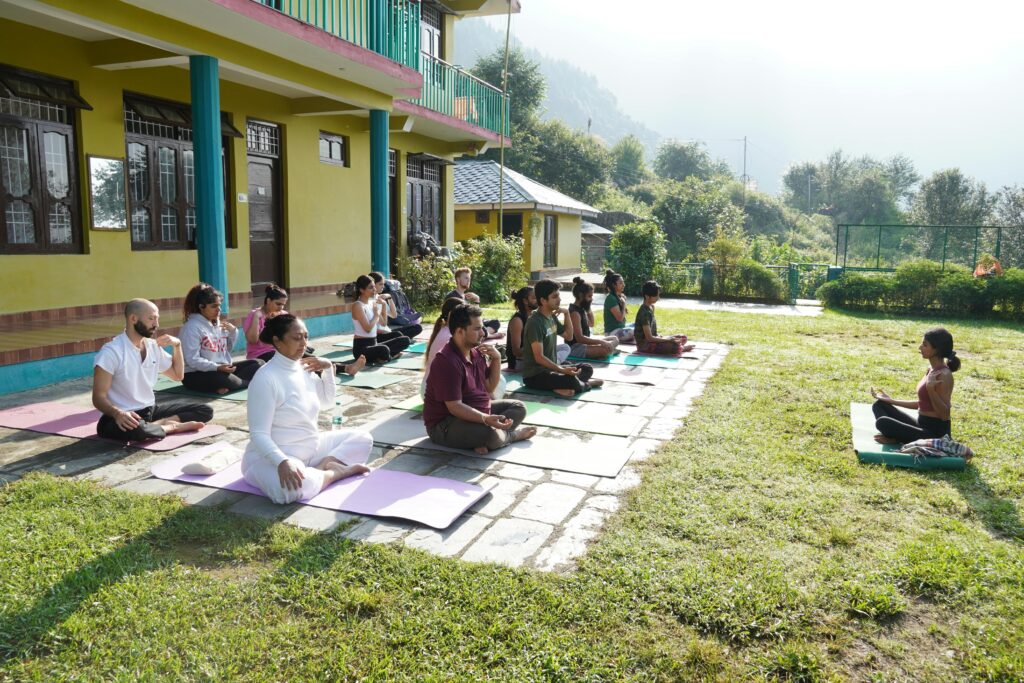
Yoga can be a powerful part of a nervous system reset routine because it brings together breath, movement, and awareness. Restorative yoga, gentle flow, or floor-based poses can help calm the system without adding more pressure.
This kind of practice is less about performance and more about connection. It gives you time to notice how you feel, move with intention, and slow down enough to reconnect with yourself. For many people, yoga supports better sleep, less muscle tension, and a steadier emotional state.
4. Spa Therapy for Deep Sensory Recovery
Spa therapy offers a full-body exhale. Warmth, quiet, calming scents, soft lighting, and therapeutic touch can help the nervous system shift away from stress and into recovery. In a world that feels constantly switched on, spa rituals create space for stillness.
This can look like:
- a warm bath with minerals
- sauna or steam sessions
- hydrotherapy
- body treatments
- quiet time in a peaceful environment
Spa therapy is not just about indulgence. It can be a meaningful recovery ritual that supports relaxation, circulation, muscle relief, and emotional decompression.
5. Forest Bathing for Emotional Grounding
Forest bathing is the practice of spending slow, intentional time in nature. It does not require hiking, tracking steps, or turning the experience into a goal. It simply means being present outdoors and allowing the nervous system to settle through natural sensory cues.
Fresh air, trees, birdsong, sunlight, and open space can help reduce mental noise and bring the body into a calmer rhythm. If stress has made you feel disconnected or overstimulated, quiet time in nature can feel deeply regulating. Even a gentle walk in a nearby park can help you breathe more deeply and feel more grounded.
6. Massage Therapy for Full-Body Recovery
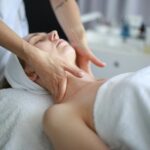
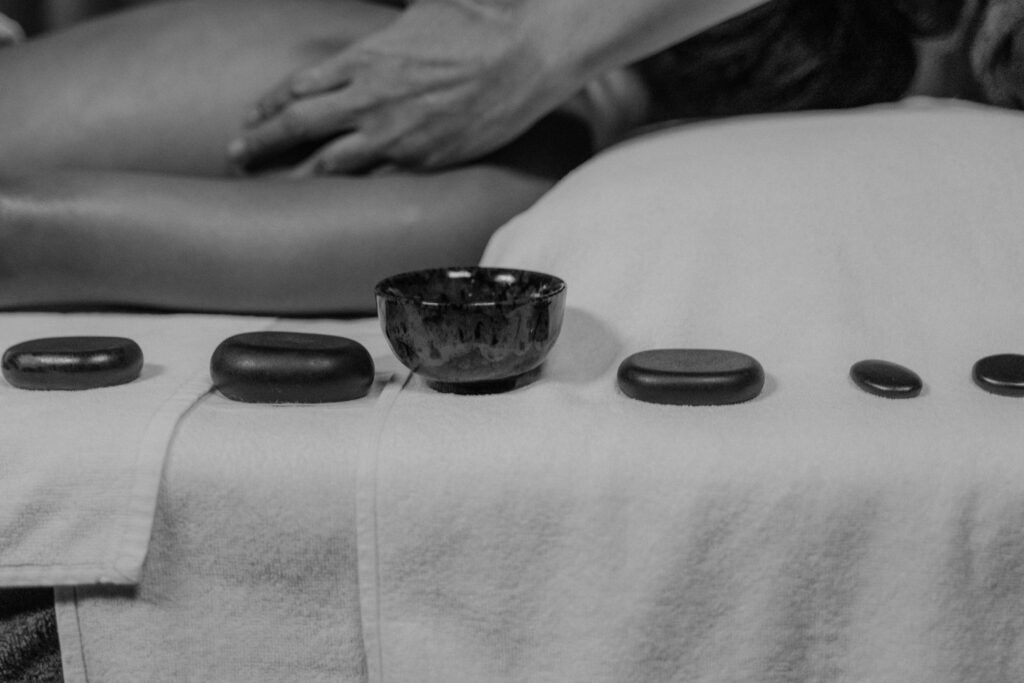
Massage can be one of the most supportive parts of a nervous system reset routine, especially when stress feels physical. Tension often lives in the shoulders, scalp, neck, back, and hips. Therapeutic touch helps release those guarded patterns and gives the body permission to relax.
If you want to include massage in your wellness routine, these options can be especially helpful:
- Hot stone massage for deep warmth, muscle relaxation, and full-body stress relief
- Thai massage for supported stretching, mobility, and energy flow
- Aromatherapy massage for a calming sensory experience that combines touch with soothing essential oils
- Head massage for releasing tension in the scalp, temples, jaw, and neck
Each style offers something slightly different, but all can support better sleep, emotional balance, and a deeper sense of ease in the body.
7. Sleep Routine for Lasting Recovery
A nervous system reset routine is often strengthened most by what happens in the evening. If the body does not receive clear signals that the day is ending, it may stay alert long into the night. That is why a gentle sleep routine matters so much.
Try creating a softer transition into rest with:
- dim lighting
- less screen time
- calming scents
- warm baths or showers
- quiet music or silence
- a consistent bedtime
Sleep is where deep repair happens. The more often your body experiences calm, quiet, and relaxation before bed, the easier it becomes to settle into deeper sleep.
8. Building Your Nervous System Reset Routine with Intention
The most supportive routine is one that feels realistic, calming, and easy to return to. You might begin with breathwork in the morning, stretching during the day, a walk in nature when you need grounding, and meditation before sleep.
Over time, these small acts of care can create real shifts. A nervous system reset routine is about helping your body feel supported again, one gentle ritual at a time.
True wellbeing often begins in simple moments: a slower breath, a softer body, a quieter evening, and the feeling that you are finally safe enough to rest.
FAQ’S
What is a nervous system reset routine?
A nervous system reset routine uses gentle daily rituals to help your body move out of stress mode and into a calmer, more restorative state. Practices like breathwork, warm baths, and massage can help you relax, recover, and feel more emotionally balanced.
How quickly will I feel the benefits of calming wellness rituals?
You may feel some relief within minutes of practices like slow breathing or morning light exposure. With daily consistency, the benefits often grow stronger, supporting better sleep, less tension, and a more balanced mood over time.
Do I need special equipment to reset my nervous system at home?
No, you do not need special tools or expensive equipment. Most nervous system reset practices are simple and can be done at home, like slow breathing, gentle stretching, and dimming the lights. If you want extra support, warm baths, essential oils, or massage can enhance your routine.
How does massage therapy relieve physical stress and tension?
Massage therapy helps release tension held in the shoulders, neck, and body through slow, calming pressure. This soothing touch supports relaxation, eases stress, and helps your body let go of built-up physical tension.
When is the ideal time to practice restorative stress relief?
You can practice these rituals anytime you feel overwhelmed, but mornings and evenings often work best. Morning light helps set your daily rhythm, while gentle evening habits like a warm shower or light yoga support better sleep. What matters most is creating small, consistent moments of calm.