In the world of massage therapy, an expert touch is much more than the technical application of pressure or well-rehearsed technique. It is presence, intuition, awareness, and an understanding of the human being as a complete system—physical, emotional, and energetic. When essential oils are incorporated into massage therapy, they do far more than provide aroma. They support emotional balance, sensory awareness, and a deeper sense of connection between body and mind.
Every client who enters your space carries their own internal landscape. Their quality of sleep, emotional stress, daily habits, environmental exposure, lifestyle rhythms, and mental state all influence their physical condition. When these elements fall out of harmony, the body expresses imbalance through tension, fatigue, irritability, or a feeling of disconnection.
How do Essential Oils Enhance Holistic Massage?
Holistic practice recognizes that nothing in the human being functions independently. Essential oils, when chosen with intention and understanding, offer gentle support to this interconnected system. They can help restore balance, calm the nervous system, and enhance the sensory depth of your massage work.
The word holistic means characterized by the belief that the parts of something are intimately interconnected and explicable only by reference to the whole. — Oxford English Dictionary
This is why your presence matters. Your touch matters. And the essential oils you select play a vital role in the therapeutic experience. With this holistic approach in mind, let’s explore the best essential oils for massage therapy — powerful aromas that enhance relaxation, restore emotional balance, and enrich every session.
The Best Essential Oils for Massage Therapy
1. Sweet Orange Essential Oil
Because of its rich D-limonene content, sweet orange essential oil is one of the most versatile and cost-effective oils available. D-limonene has been studied for its antioxidant effects and its influence on cellular behavior in laboratory research.
According to more studies, sweet orange aroma showed acute anxiolytic activity, reducing subjective anxiety during stress while not preventing physiological stress responses. Emotionally, orange oil brings uplift, warmth, and cheerfulness, making it ideal for creating a relaxing, positive atmosphere in massage sessions.
2. Neroli Essential Oil
Neroli, steam distilled from bitter orange blossoms, offers a delicate floral aroma that is deeply soothing. It has long been used in emotional wellness practices for easing tension, calming the mind, and encouraging a sense of inner peace. It brings softness and comfort to therapeutic massage.
3. Bitter Orange Essential Oil
Bitter orange oil, expressed from the rind, provides a sharper and more invigorating citrus note than sweet orange. It is traditionally used for awakening the senses, refreshing emotional energy, and adding vitality to blends. Its bright aroma complements many massage settings.
4. Mandarin and Tangerine Essential Oil
Mandarin and tangerine essential oils are created through cold-pressing the peel. They share a sweet, gentle aroma that supports emotional comfort and ease. These oils are excellent for sensitive individuals or evening treatments aimed at winding down the nervous system.
5. Bergamot Essential Oil
Bergamot is among the most studied essential oils, with research exploring its influence on mood, emotional stress, antimicrobial activity, and sensory well-being. Its citrus-floral aroma is refreshing, calming, and emotionally clarifying. Bergamot is widely appreciated in massage therapy for easing tension and supporting emotional release.
6. Clary Sage Essential Oil
Clary sage contains naturally calming compounds such as linalool, linalyl acetate, and sclareol. Research suggests these components may influence inflammatory and cellular processes. Traditionally, clary sage supports emotional grounding, relaxation, and women’s wellness.
7. Clove Essential Oil
Clove oil is extremely high in antioxidants and has been used in oral wellness traditions for many years. It offers a warming, spicy aroma that brings a grounding sense of strength and stimulation. Due to its potency, it must always be well diluted, but in proper amounts, it enriches massage blends with warmth.
8. Fennel Essential Oil
Fennel has long been valued in aromatherapy, especially for digestive comfort and women’s support. Its sweet, herbal scent brings nurturance and warmth to massage treatments, making it ideal for emotionally grounding sessions.
According to 2023 research, fennel’s long-standing use in Ayurveda is supported by its documented benefits for digestive health, respiratory support, endocrine balance, reproductive wellness, and oral freshness.
9. Geranium Essential Oil
Geranium supports emotional harmony and balance. It has a soft, uplifting, and stabilizing aroma that helps ease stress and bring clarity. It blends beautifully in massage treatments focused on well-being and emotional regulation.
10. Lemon Balm (Melissa) Essential Oil
Lemon balm is known for its emotional properties. Studies suggest it may help support relaxation, calm focus, and emotional balance. Its fresh, sweet aroma brings gentle comfort and clarity to massage therapy.
11. Lemongrass Essential Oil
Lemongrass is refreshing and invigorating. Several studies highlight potent antibacterial potential in controlled environments. Aromatically, lemongrass helps awaken clarity, focus, and a sense of renewal. It is bright, clean, and energizing in massage blends.
12. Myrrh Essential Oil
Myrrh has been used for thousands of years across cultures. According to a 2023 study, Commiphora myrrh’s traditional use for wounds, mouth ulcers, stomach issues, and respiratory problems is supported by modern research.
It shows notable anti-inflammatory, antimicrobial, antioxidant, analgesic, and anti-parasitic effects.
The study also emphasizes myrrh’s continued value in cosmetics, aromatherapy, and perfumery.
13. Oregano Essential Oil
Oregano is one of the most potent essential oils. It has been traditionally valued for its purifying qualities and is used very sparingly in blends due to its intensity. Its strong herbal aroma adds stimulation and vitality when used correctly.
14. Sandalwood Essential Oil
Sandalwood is prized for its grounding, meditative qualities. Its smooth, warm scent encourages deep relaxation and emotional centering. It is a favorite for restorative massage and pairs well with frankincense and myrrh.
15. Vetiver Essential Oil
A 2024 research explains that Vetiver Essential oil, long used in Thai, Chinese, and Ayurvedic medicine, shows strong antifungal, antibacterial, antioxidant, anti-inflammatory, and even anti-cancer potential.
The study reports that it is widely used for issues like mouth ulcers, fever, headaches, depression, anxiety, and insomnia.
It also notes that the roots help support digestion, boost immunity, and aid in treating skin problems, urinary issues, jaundice, flatulence, anemia, and haemoptysis.
16. Peppermint Essential Oil
Peppermint supports mental clarity, cooling comfort, and fresh sensory awareness. It is especially effective when paired with lavender for soothing tension during massage.
17. Lavender Essential Oil
Lavender is foundational to massage therapy. It contains antioxidants and has been widely researched for its ability to support relaxation, emotional calm, and better sleep. It brings a soft, balancing presence to massage blends.
Why Expert Touch with Essential Oil Matters?
Your touch guides a client’s nervous system, emotional landscape, and sensory perception. Essential oils deepen this process by helping clients shift into a more receptive, balanced state. Massage becomes not only a physical technique but a holistic therapeutic moment anchored in presence and intention.
Carrier Oils for Massage Therapy
Choosing the right carrier oil is an essential part of working with essential oils for massage therapy. Carrier oils create the base of your blend, influence how the essential oils absorb into the skin, and determine the overall glide and feel of the massage. Each carrier oil has unique properties, making some better suited for certain techniques, skin types, or therapeutic goals.
Here are the most commonly used carrier oils for massage therapy:
-
Olive oil
Extra virgin olive oil is a beginner-friendly option because it is cold-pressed and minimally processed. It has a rich consistency, a green tint, and a more noticeable natural aroma. It offers deep nourishment for the skin. -
Coconut oil
Derived from coconuts, this oil absorbs easily with very little residue. Fractionated coconut oil, which stays liquid at room temperature, is especially popular for massage because it has a long shelf life and a very light, smooth feel. -
Almond oil
Light, nutrient-dense, and gentle in scent, almond oil is one of the most versatile carrier oils. It works well for full-body massage and is suitable for most skin types. -
Jojoba oil
Thick, stable, and deeply penetrating, jojoba closely resembles the skin’s natural sebum. Its excellent shelf life makes it ideal for preparing small dilution blends in advance. -
Apricot kernel oil
Available as expeller-pressed or cold-pressed, with the main differences being texture. Both versions absorb easily and are gentle enough for sensitive or dry skin. -
Avocado oil
Extracted from the fruit pulp, avocado oil is rich, soothing, and nourishing. It is particularly beneficial for mature, irritated, or very dry skin. -
Grapeseed oil
Light in texture and quick to absorb, grapeseed oil leaves minimal residue. It provides a smooth glide and is a common choice for professional massage therapists. -
Borage oil
Produced from the seeds of the borage plant, this oil is valued for its gamma-linolenic acid (GLA) content, which supports dry or stressed skin. -
Evening primrose oil
A delicate, cold-pressed oil that requires refrigeration. Often used in women’s wellness blends, it adds a supportive and soothing quality to massage preparations.
The best carrier oil for massage therapy ultimately depends on your client’s needs, skin sensitivity, and the type of massage you are performing. With the right carrier oil base, your essential oils can deliver their full therapeutic potential and enhance the overall massage experience.
How to Maximize the Shelf Life of Essential Oils?
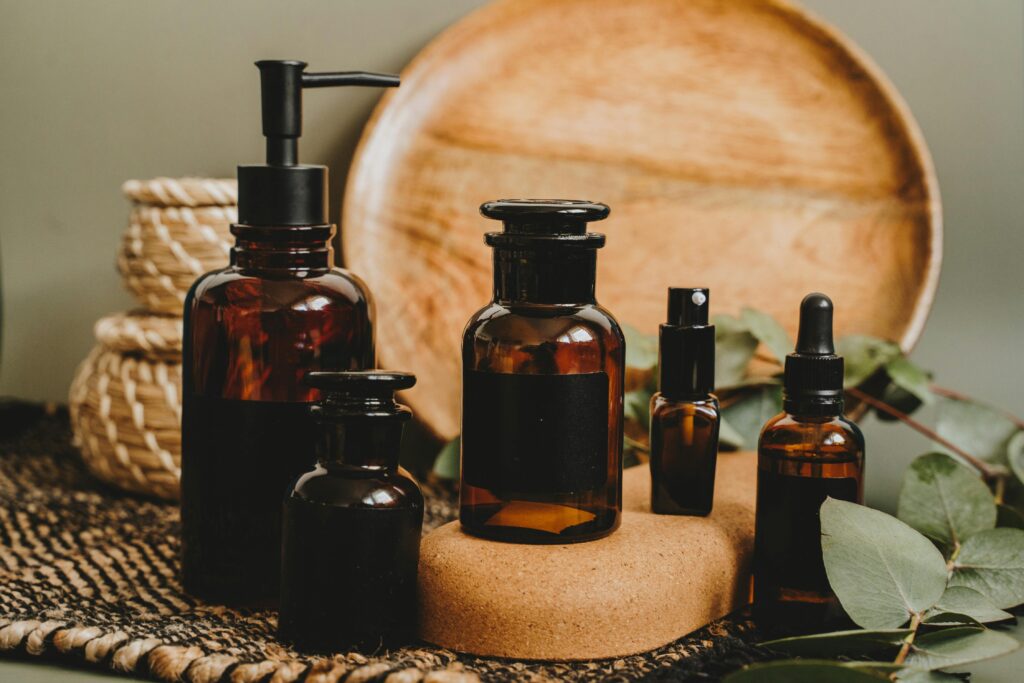
When working with essential oils for massage therapy, proper storage is essential for preserving their therapeutic potency. Oxygen is the primary factor that leads to oxidation, a gradual process that reduces the freshness, aroma quality, and effectiveness of essential oils. Each time a bottle is opened, air enters and begins altering the chemical structure of the oil, causing it to age more quickly.
Most essential oils have a shelf life of two to four years, though citrus oils tend to oxidize faster. To slow this process, store essential oils in:
-
cool
-
dark places
-
away from sunlight and sources of heat
While heat does not destroy the natural compounds, it does accelerate oxidation, which shortens the oil’s useful life. Keeping bottles tightly closed after each use also helps reduce unnecessary exposure to oxygen.
Two effective ways to extend shelf life include refrigerating your essential oils and blending them with fractionated coconut oil. Refrigeration slows the oxidation process, while fractionated coconut oil remains stable over time and does not go rancid like other carrier oils. These practices help maintain the quality and longevity of your oils, ensuring they remain effective for therapeutic use in massage.
FAQ’s
Are Essential Oils safe for everyone?
Essential oils are generally safe when properly diluted, but they are not universally suitable for all clients. Individuals who are pregnant, have severe allergies, sensitive skin, epilepsy, or chronic medical conditions may require modified blends or complete avoidance of certain oils. Always perform a consultation, check for contraindications, and use low dilutions for sensitive individuals.
Can Essential Oils replace medical treatment?
No. Essential oils cannot diagnose, treat, or cure medical conditions. They are supportive tools used in massage therapy to enhance relaxation, emotional balance, and sensory well-being. They complement professional healthcare, but they do not replace medical treatment or advice.
Which Essential Oils are best for relaxation?
Lavender, bergamot, neroli, clary sage, and sweet orange are among the most commonly used oils for relaxation. These oils have calming aromatic profiles and have been studied for their potential influence on emotional regulation, making them ideal for relaxation-focused massage treatments.
Which Essential Oils should be avoided on sensitive skin?
Clients with sensitive skin should avoid potent oils such as oregano, clove, cinnamon, and sometimes peppermint. Certain citrus oils can be photosensitive on exposed skin, so it is important to choose bergapten-free (FCF) varieties when sunlight exposure is expected. Always start with low dilutions and patch testing.
Are Essential Oils safe for facial massage?
Only gentle, non-irritating oils should be used for facial massage, and always at a very low dilution (0.25–0.5%). Suitable options include lavender, chamomile, and neroli. Avoid oils that are stimulating, warming, or potentially irritating on the delicate facial skin.
How should Essential Oils be diluted for massage therapy?
A typical massage dilution is 1–2% (about 3–6 drops per 10 ml of carrier oil). For sensitive individuals, facial massage or pregnant clients, use a much lower dilution of 0.25–1%. Always blend essential oils into a carrier oil before applying them to the skin to ensure safe, even distribution.