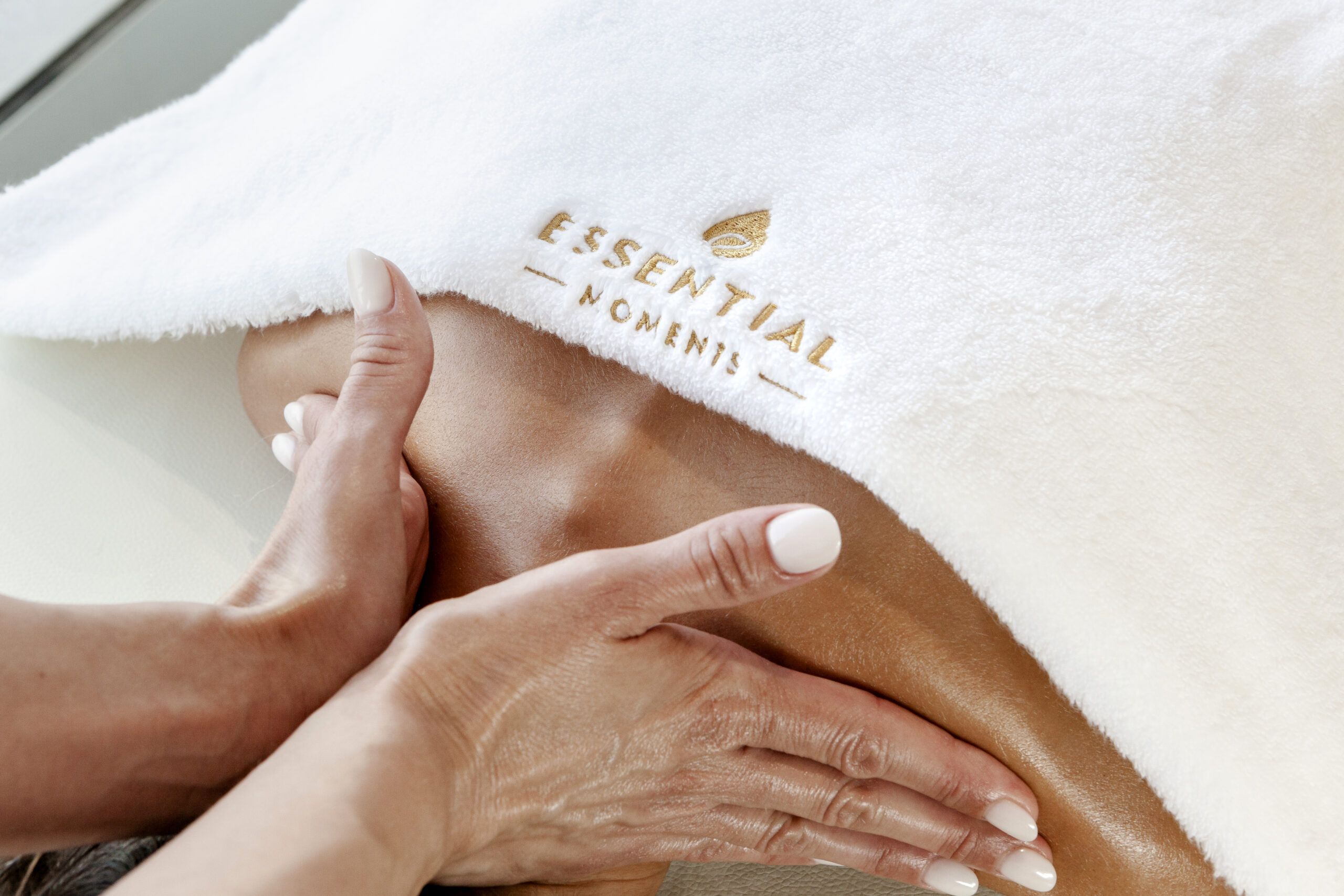
Neck and shoulder tension, anxiety often brings discomfort and stiffness, interfering with daily life and restful sleep. These symptoms stem from stress and unsettled thoughts, which can cause persistent tightness in your upper body and impact your overall wellness. Fortunately, there are proven methods to ease neck and shoulder tension and anxiety, including wellness techniques and targeted therapies like advanced stretching and head massage. With the right strategies, you can start relieving tension and anxiety and enjoy greater comfort.
Often, stress triggers a sustained alarm in your nervous system, making your arms, neck, and shoulders tense up—almost like wearing invisible armor. This can limit your movement and cause discomfort when turning your head or lifting your arms. However, taking a comprehensive wellness approach that combines stretching, aromatherapy, specialized massage, and spa therapies—techniques championed by resorts across the world—helps your body release tension and regain ease. Let’s dive into the most effective, therapist-approved solutions for neck and shoulder tension anxiety.
1. The Clinical Pathology of Neck and Shoulder Tension Anxiety
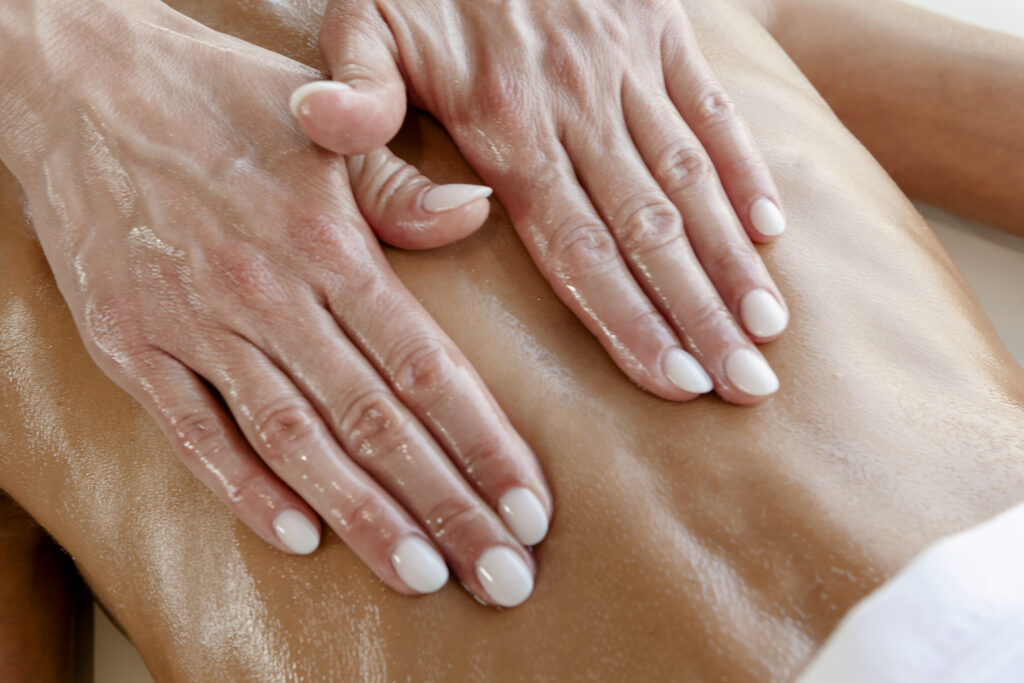
As a certified spa and massage therapist, I see firsthand how emotional overload shows up as physical muscle strain. True relief starts by understanding what happens inside the body. When anxiety rises, the sympathetic nervous system kicks into fight-or-flight mode: adrenaline increases, muscles contract quickly, and blood is redirected to areas that your body perceives as urgent. The neck and shoulders, which stabilize the head and shield the spine, are especially affected by this reaction.
With prolonged stress, these muscles remain tight, restricting blood flow and allowing metabolic waste to build up, which can form trigger points—sensitive knots lodged deep in the muscle. Trigger points can limit movement and may trigger nerve pain up the head or down the back.
Research supports the value of trigger point therapy. For instance, a study found significant migraine relief when trigger point therapy was combined with lymphatic drainage, while more research shows links between trigger points and persistent neck pain, emphasizing the need for targeted intervention.
Working with a professional or addressing these points at home can deliver:
- Fast pain and stiffness relief
- Greater neck and upper back mobility
- Fewer tension headaches
- Better blood flow and nutrient delivery
- Decreased referred pain into other muscles or the scalp
Rather than passively waiting for muscle pain to resolve, actively combining hands-on therapy and movement practices can break the cycle of anxiety-based neck and shoulder tension for lasting comfort.
2. Advanced Stretching and Yoga for Neck and Shoulder Tension Anxiety
Passive stretching alone often isn’t enough if your goal is lasting relief and prevention. Current spa and corrective wellness therapies emphasize dynamic, breath-led movement combined with therapeutic stretching. These approaches are key in wellness resorts and advanced yoga studios.
Progressive Stretching Techniques
- Child’s Pose (Balasana): A restorative posture that lengthens the spine and allows tension at the base of the skull to gently release. Hold for 1–2 minutes, focusing on exhaling to help relax upper back muscles.
- Cat-Cow (Marjaryasana-Bitilasana): Move through spinal flexion and extension to mobilize vertebrae, loosen shoulder muscles, and lubricate joints.
- Thread the Needle: Especially beneficial for tight shoulders and upper back; helps open up muscles that tend to store anxiety.
- Seated Lateral Neck Stretch: Gently release the neck by tilting one ear toward the shoulder, holding to reduce compression on cervical vertebrae.
Mindful Yoga Practices
Combine deep breathing with gentle movement for systemic relaxation and to reinforce healthy movement habits. Many spas and resorts offer yoga sessions tailored to ease tension. Working directly with an instructor can help address unique postural or movement patterns.
3. Aromatherapy and Essential Oils for Neck and Shoulder Tension Anxiety
Advanced spa treatments often use therapeutic-grade aromatherapy both alone and alongside massage techniques. Essential oils impact the brain’s limbic system through scent and can have anti-inflammatory and soothing effects when applied to the skin.
Evidence-Based Essential Oil Solutions
Lavender: A study showed that lavender oil, added to cream and massaged into sore neck muscles, led to better pain relief and flexibility than standard treatments. Lavender calms both the mind and muscle tension.
Peppermint: Its cooling sensation soothes nerves and helps relax contracted muscles, especially after stress or physical effort.
Other effective oils include wintergreen, marjoram, and frankincense—each known for unique muscle-calming properties.
Always dilute essential oils in a carrier such as organic jojoba, avocado, or coconut oil, and gently massage into the neck and shoulders for optimal results.
Synergizing Aromatherapy with Touch
Combining customized aromatherapy blends with massage maximizes results—something spa therapists do every day. At home, using a diffuser or adding oils to a warm bath promotes relaxation. For more, see the essential oil benefits.
4. Heat Therapy and Cold Exposure for Neck and Shoulder Tension Anxiety
Modern wellness combines targeted heat and cold to support recovery and comfort. Heat improves blood flow while a simple 2-minute cold plungehelps control inflammation and calms the nervous system.
Heat Therapy Modalities
- Warm compresses: Apply to tense spots for 10–20 minutes before stretching.
- Sauna regular sessions improve flexibility, detox, and mood.
- Hot baths: Adding Epsom salts supplies magnesium to relax tense tissues.
Cold Exposure and Hydrotherapy
Alternating between hot and cold—like sauna and cold plunge—is common in spas and sports medicine for reducing inflammation and boosting recovery. This not only helps with pain but strengthens your response to stress.
5. Professional Massage Interventions for Neck and Shoulder Tension Anxiety
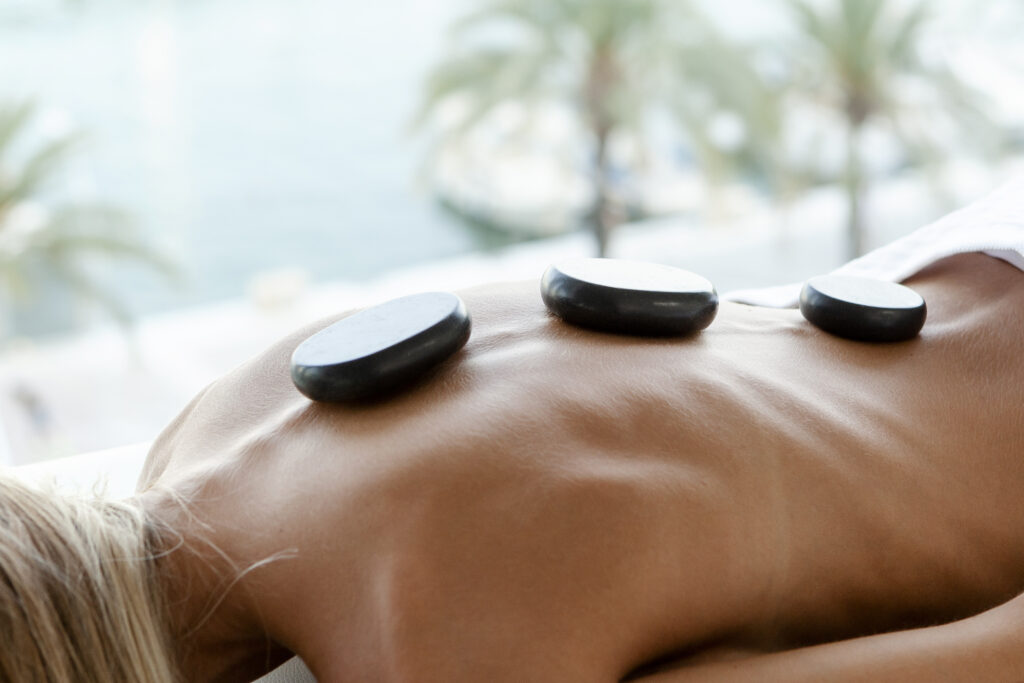
Effective relief often requires regular massage or bodywork. Expert therapists use different therapeutic techniques to target knots, fascial tightness, and ingrained tension.
Self-Massage Tips
- Apply steady pressure to knots along the upper trapezius, base of the skull, and between shoulder blades.
- Hold each point for 15–20 seconds, breathing deeply to encourage muscle release.
- Use circular or sweeping motions to enhance blood flow and relaxation.
Professional Approaches
- Head massage: Focuses on muscles around the skull and jaw to ease headaches.
- Lymphatic drainage: Encourages toxin removal and reduces swelling.
- Trigger point therapy: Targets chronic pain quickly, with research supporting its benefits for migraines and persistent upper body tension.
Highlight: Consistent visits to spas, resorts, or experienced therapists offer expert care, accountability, and access to advanced therapies in a calming setting.
6. Regulating the Nervous System to Prevent Neck and Shoulder Tension Anxiety
Targeting nervous system balance is key for ongoing improvement. Regularly shifting your body out of defensive states supports long-term comfort.
Advanced Techniques
- Deep diaphragmatic breathing: Breathe deeply, allowing your belly—not your chest—to expand, and extend the exhale for nervous system calm.
- Guided meditation and mindfulness: Lower stress and promote whole-body relaxation.
- Biofeedback: Found in spa resorts, biofeedback helps you recognize and reduce unconscious tension.
- Restorative yoga and progressive muscle relaxation: Help retrain your body’s comfort baseline over time.
Regular relaxation, especially in spa environments, lowers your risks of stress-induced pain and helps establish sustainable wellness habits.
If self-care alone isn’t enough, seeking help at wellness resorts or spas gives you access to integrated therapies, a peaceful environment removed from daily stress, and expert guidance. These visits support a healthy lifestyle and provide tools for lasting change.
FAQ’s
Why does anxiety cause pain specifically in the neck and shoulders?
During stress, your body’s fight-or-flight response often tenses the neck and shoulders in an unconscious attempt to feel secure, eventually resulting in soreness or headaches.
Can essential oils truly relieve muscle tension?
Certain oils, including lavender and peppermint, are proven to relax muscles and ease discomfort when applied with safe dilution.
How often should I stretch to see relief from tension?
Consistent routines, even for just five to ten minutes morning and evening, typically yield results. Pair with mindful breathing for even more impact.
Chronic stress tension usually responds best to heat, but trying both—such as alternating with cold—can further decrease inflammation and support healing.
When should I seek professional massage therapy?
If self-treatment hasn’t improved symptoms after several weeks, or if you notice numbness, severe headaches, or limited movement, schedule a professional assessment for a custom treatment plan.
Embracing clinical-grade self-care, intentional interventions, and expert support empowers your body and mind to break free from chronic neck and shoulder tension and anxiety, unlocking new potential for everyday wellness and comfort.