Ever wondered why some massages feel truly life-changing while others just feel “okay”? Knowing how to prepare for a massage is the secret to unlocking deeper relaxation and lasting results. In this guide, I’ll walk you through the most important steps on how to prepare for a massage so you can enjoy every moment and make your wellness experience unforgettable.
Why Knowing How to Prepare for a Massage in 2026 Changes Your Experience
The difference between a good massage and a deeply restorative experience is subtle, but you feel it immediately. When you prepare properly, your body softens much faster. Your breathing becomes deeper without any conscious effort. Your racing mind quiets down naturally.
This transformation happens because your nervous system feels safe. Throughout your daily life, your nervous system constantly scans for threats, keeping your muscles tense and your mind alert. If you rush into a massage directly from a stressful meeting, your body remains stuck in a defensive, sympathetic state (fight or flight).
According to research on the autonomic nervous system, shifting into a parasympathetic state (rest and digest) is crucial for healing. When you intentionally shift your body out of its stress response before your session, you signal to your nervous system that it can let go. You stop fighting the tension and start allowing the healing process to unfold.
What to Do Before a Massage: Spa Etiquette and Simple Essentials
Before diving into advanced routines, you need to master the basics of how to prepare for a massage. These simple steps form the foundation of proper preparation and good spa etiquette.
- Shower before your visit: Arriving fresh is good spa etiquette and helps you feel more comfortable. A warm shower also pre-warms your muscles, making them more receptive to touch.
- Hydrate generously: Drink plenty of water in the hours leading up to your appointment. Hydrated muscles are more pliable, which allows your therapist to work out knots and tension much more effectively.
- Time your meals: Avoid eating a heavy meal right before your session. A full stomach can make lying on the massage table uncomfortable. Instead, eat a light snack an hour or two beforehand so you feel nourished but not stuffed.
- Plan your schedule: Never squeeze a massage between two high-stress events. Leave a buffer in your schedule so you do not have to watch the clock during your treatment.
How to Prepare for a Spa Massage: Your Full-Day Wellness Ritual
The hours before your session shape how deeply you experience it. Small shifts in your daily routine create a completely different physical response. Here is how you can build a full-day wellness ritual to prepare for your treatment.
1. Step Into Morning Sunlight
Stepping into natural light early in the day helps regulate your circadian rhythm. This internal system controls your energy, your sleep cycles, and your hormonal balance. When this rhythm aligns, your body feels much more stable and grounded. Even a few minutes of morning sunlight can reduce internal stress signals and help your body relax more easily later in the afternoon. Step outside, breathe the fresh air, and allow your eyes to adjust to the natural light before you check your phone.
2. Practice Breathwork
Most people arrive at a massage still holding subtle tension in their chest and shoulders. Slow, deep breathing signals to your body that it is safe to relax. When you breathe with awareness, your heart rate slows down, your muscles begin to relax, and your mind becomes much quieter. Try a simple rhythm: inhale slowly through your nose, exhale slightly longer through your mouth, and repeat this for a few minutes.
3. Engage in Gentle Movement
A body that has moved responds differently to touch. Light movement before your session increases circulation, reduces morning stiffness, and creates openness in your muscle tissues. You do not need an intense workout. You just need a connection. A quiet walk, some gentle stretching, or a few slow yoga poses will prepare your body beautifully.
4. Spend Time in Nature
Spending time outdoors before your massage can completely shift how your body responds. A slow walk among trees, mindful breathing in a garden, or simply being present in a green space helps lower cortisol and reset your nervous system. According to research on forest bathing, even short moments in nature can calm the mind and support overall well-being. If you want to explore this deeper, I share more in this guide on forest bathing and its benefits for health and balance.
Advanced Ways to Enhance Your Experience: How to Prepare for a Massage
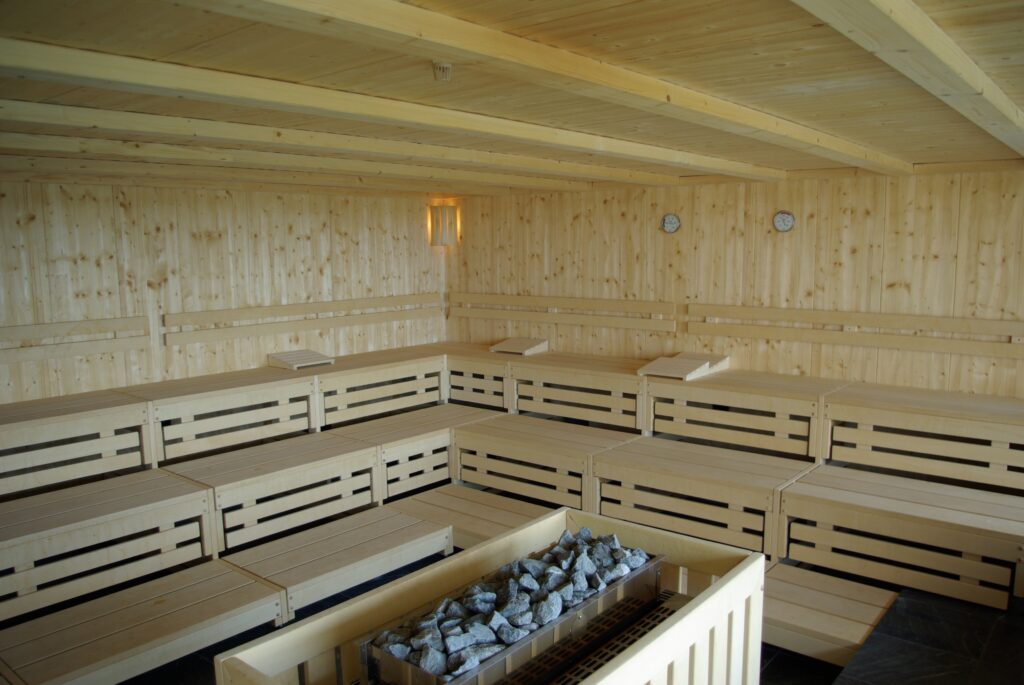
Some wellness practices can deepen how your body receives the massage. While these are optional, they serve as excellent tools to enhance your natural relaxation response.
1. Heat and Cold Exposure
Warm environments like traditional saunas help the body soften and release stubborn tension. The heat increases blood flow and warms the muscles, making them highly receptive to bodywork. Conversely, brief cold exposure can refresh the nervous system and flush out inflammation. Used carefully, these temperature shifts prepare your body to relax on a much deeper level.
2. Red Light Therapy
Red light therapy supports your body down to the cellular level. Sitting in front of targeted red light panels helps improve skin health, supports muscle recovery, and enhances your natural cellular energy production. It is a gentle, non-invasive way to prep your tissues for deep relaxation.
3. Hyperbaric Oxygen Therapy (HBOT)
HBOT increases the availability of oxygen throughout your entire body. This extra oxygen supports accelerated healing, rapid recovery, and reduced systemic inflammation. If you’re looking for how to prepare for a massage in a holistic way, these supportive therapies can complement your usual routine.
Remember, these are simply supportive tools. The true foundation of your luxury experience will always be your daily rhythm and how you manage your stress.
Some practices can deepen how your body receives the massage. While these are optional, they serve as excellent tools to enhance your natural relaxation response.
4. Heat and Cold Exposure
Warm environments like traditional saunas help the body soften and release stubborn tension. The heat increases blood flow and warms the muscles, making them highly receptive to bodywork. In contrast, a cold plunge introduces a refreshing stimulus that awakens the nervous system and helps reduce inflammation. When used with intention, this contrast between heat and cold prepares the body to relax on a much deeper level.
5. Red Light Therapy
Red light therapy supports your body down to the cellular level. Sitting in front of targeted red light panels helps improve skin health, supports muscle recovery, and enhances your natural cellular energy production. It is a gentle, non-invasive way to prep your tissues for deep relaxation.
6. Hyperbaric Oxygen Therapy (HBOT)
HBOT increases the availability of oxygen throughout your entire body. This extra oxygen supports accelerated healing, rapid recovery, and reduced systemic inflammation.
Remember, these are simply supportive tools. The true foundation of your luxury experience will always be your daily rhythm and how you manage your stress.
How to Prepare for a Massage: How to Arrive—The Missing Step Most People Skip
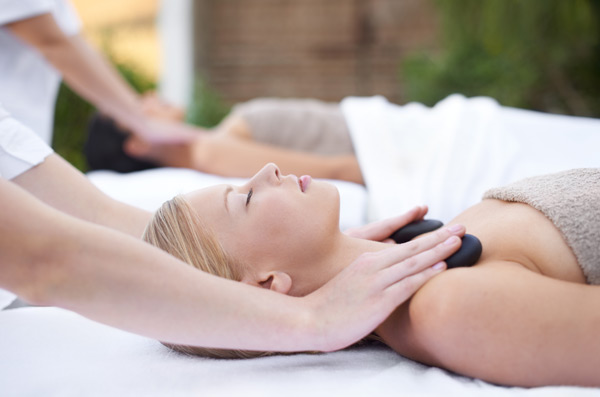
You have hydrated, you have moved gently, and you are ready for your massage. But there is one crucial step most people skip: the transition.
Rushing through the spa doors two minutes before your appointment ruins your preparation. When you arrive, give yourself a proper moment to settle. Arrive at least fifteen minutes early. Sit in the quiet area. Put your phone on silent and leave it in your bag. Let your breath slow down and let your mind catch up with your physical body.
This transition period is a vital part of the experience. You begin to feel the internal shift before the therapist even calls your name.
What to Do After a Massage Session to Make the Benefits Last Longer
The benefits of your massage don’t end when you leave the treatment room—what you do next helps lock in that relaxed, balanced feeling. Take your time getting up, move slowly as you dress, and savor a big glass of water to support your body’s natural recovery. Try to avoid rushing back into noise or a hectic schedule—give yourself a little space to process the experience.
Want to make this feeling last even longer? One of the most powerful self-care choices you can make is to schedule your next visit before you leave.
Regularly scheduled massages are an investment in your well-being. According to research consistent treatments have been shown to improve circulation, lower stress levels, and support immune function. Plus, let’s be honest—it just feels really good to be taken care of.
As you think about your next session:
- Would you like a longer treatment or deeper pressure?
- Is there a particular area—like your neck, shoulders, or lower back—you want your therapist to focus on?
- Curious to try something new, like a signature upgrade or a pampering full-body massage package?
To continue your relaxation into the night, I also recommend reading How to Create an Evening Routine for Your Best Sleep. The way you end your day can be just as important as how you start it.
The treatment experience does not end when you get off the table. The way you move after your session dictates how long the benefits will last.
When your session finishes, stay in that calm feeling a little longer. Move slowly as you get dressed. Drink a large glass of water to help flush out the metabolic waste released from your muscles. Avoid jumping immediately back into loud environments, stressful phone calls, or heavy traffic. Give your body the necessary space to integrate the bodywork.
Frequently Asked Questions
What should I wear to my massage appointment?
Wear loose, comfortable clothing to your appointment. This makes it easy to undress and redress without feeling restricted. During the massage, you will undress to your comfort level, and your therapist will ensure you are properly draped with a sheet or towel at all times.
Should I shower before my massage?
Yes, taking a warm shower before your massage is excellent spa etiquette. It cleanses your skin of lotions and sweat, allowing the massage oils to absorb better. The warm water also helps pre-relax your muscles before the therapist even begins.
Is it okay to talk during my massage?
Absolutely. You can talk as much or as little as you like. If you prefer a completely silent experience to focus on your breathing, simply let your therapist know beforehand. However, always speak up if you need the pressure adjusted or if you feel uncomfortable at any point.
How much water should I drink before and after a massage?
You should drink a normal amount of water before your massage to stay hydrated, but avoid drinking so much that you need a restroom break during the session. After your massage, drink a large glass of water and continue hydrating throughout the day to help your body process the metabolic waste released from your muscles.
What should I do if I feel sore after my massage?
Mild soreness is completely normal, especially if you received deep tissue work. To ease the discomfort, drink plenty of water, take a warm bath with Epsom salts, and engage in very gentle stretching. The soreness usually fades within 24 to 48 hours, leaving you feeling much looser and more relaxed.