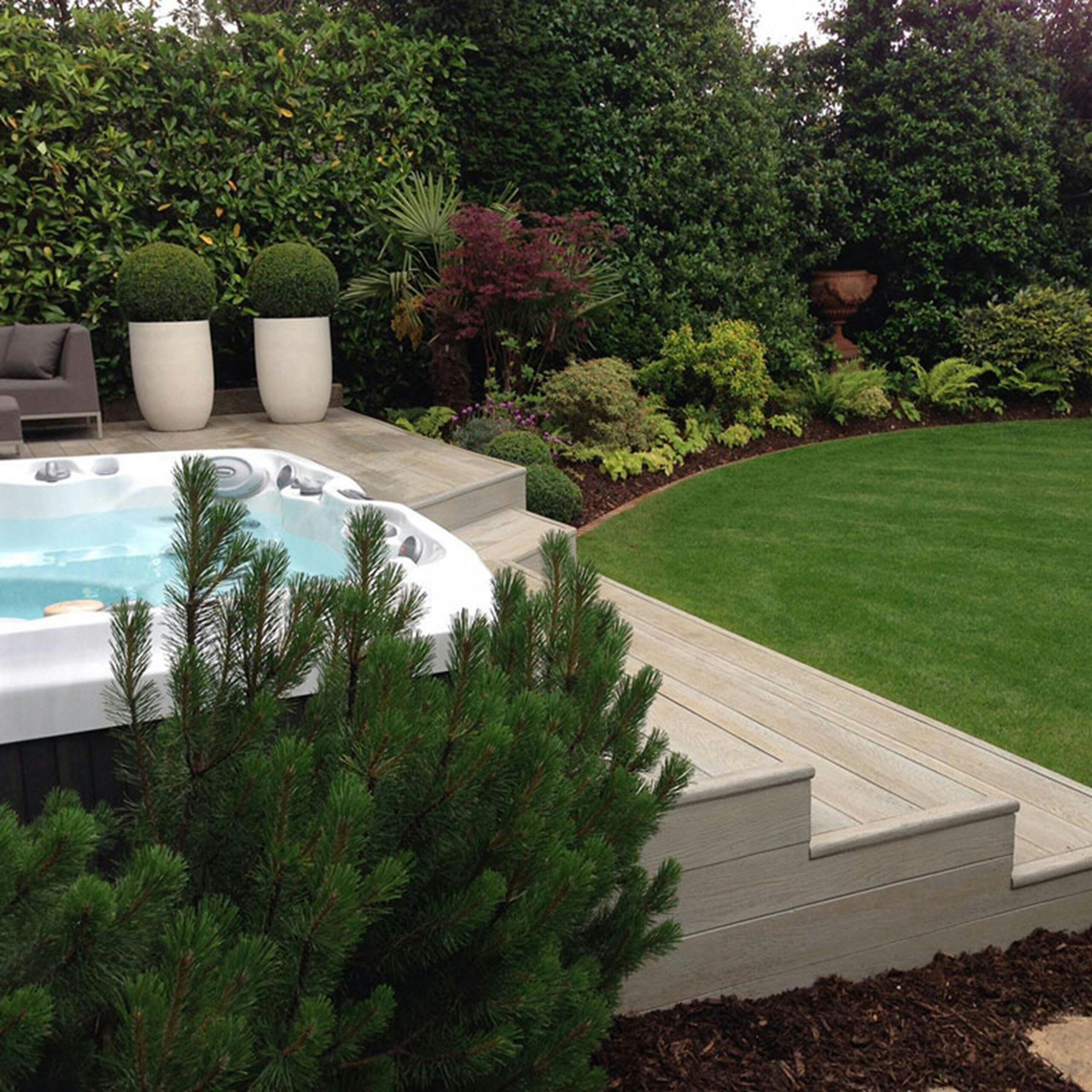
You don’t notice it at first—but your body does. The tension builds quietly, your breath shortens, and your nervous system stays switched on longer than it should.
This is where a spa at home ritual becomes essential. It’s a structured, sensory experience that helps your body slow down, release tension, and return to deep restoration.
“Mindfulness is the conscious awareness of the present moment with openness, curiosity, and acceptance.” — Deepak Chopra
Inspired by Japanese ritual and the principles used in high-end spa environments, this practice becomes something you return to consistently. Over time, a spa at home ritual trains your body to recognize safety, calm, and balance again.
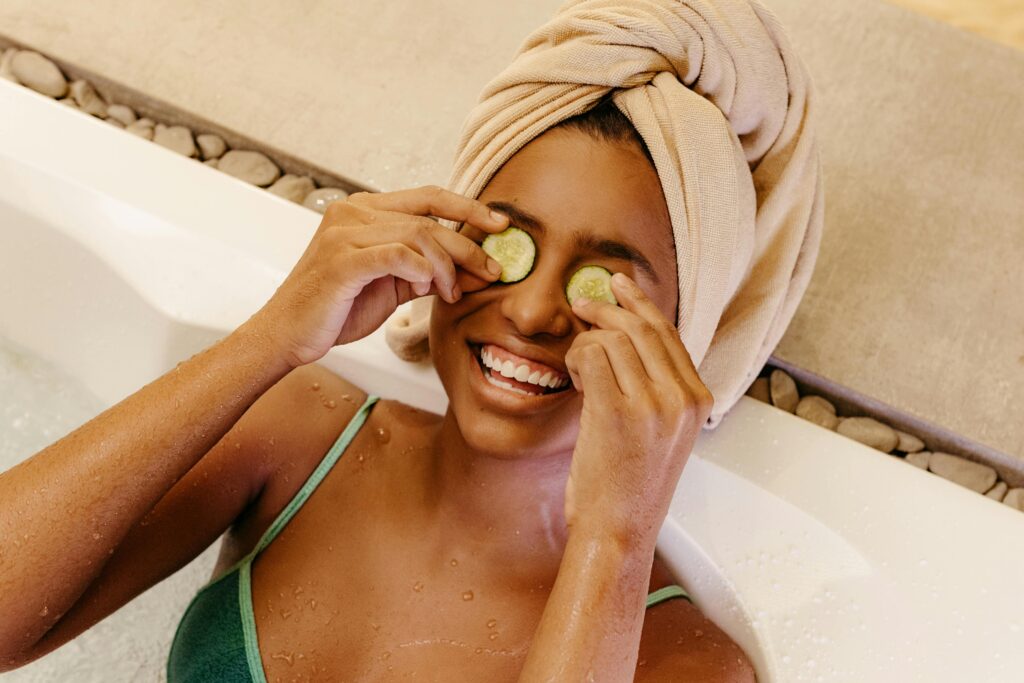
Why Your Nervous System Needs a Spa at Home Ritual More Than You Think?
Most of us have been running on adrenaline for so long that we’ve normalized it. We sleep poorly, wake up already tired, and push through the day on caffeine and willpower. That low-grade tension living in your shoulders, your hips, your jaw? This is a sign that your nervous system is stuck in fight-or-flight mode.
The research on this is clear. Gentle, repetitive touch combined with calming sensory input — specific sounds, scents, temperature, and rhythm — helps lower cortisol levels and activate the parasympathetic nervous system. That’s the mode responsible for the following conditions:
- healing
- digestion
- immune function
- deep sleep
When you design a ritual that deliberately speaks to all of these senses at once, you create the environment your body needs to actually recover. This is the foundation of a real spa at home ritual. A therapeutic reset just for you.
The Japanese Philosophy That Changes Everything
Japanese wellness culture has something the modern world desperately needs: the practice of slowness as an act of respect — toward yourself, your body, and the present moment.
The principles of wabi-sabi (finding beauty in simplicity), shinrin-yoku (forest bathing and sensory immersion), and traditional onsen bathing rituals all point in the same direction. Less stimulation. More presence. An environment that feels safe enough for the body to finally exhale.
When you bring this philosophy into your home ritual, everything shifts. You’re no longer rushing through steps to “get to the good part.”
1. Prepare Your Space as It Matters
Start here: turn off harsh overhead lighting and switch to warm, low lamps or candles. This single change signals to your brain that the high-alert phase of your day is over. Layer in a subtle scent — lavender, sandalwood, or hinoki (Japanese cypress) work it’s wonders — using a diffuser or a few drops in warm water. Put on soft instrumental music or the sound of rain. Set the room temperature to something just slightly warmer than usual.
Professional spa environments use these exact elements with clinical precision because they work. When your senses register safety, your muscles begin to soften before you’ve even touched them.
Give yourself at least five minutes in this prepared space before doing anything else.
- Sit
- Breathe
- Let the room do its work
2. Begin with Water and Heat
Water therapy is one of the most effective ways to prepare the body for deep relaxation. Before any massage or skincare step, your body needs to soften from the inside out.
Begin with warmth. Draw a bath and add a handful of mineral salts—magnesium-rich Epsom salts are especially effective for easing muscular tension and supporting nervous system regulation. If a bath isn’t available, a warm foot soak or ten minutes in a steam shower can create a similar effect. Adding a few drops of eucalyptus oil helps open the breath and deepen the sensory experience.
Heat works on multiple levels at once:
- Opens the pores
- Stimulates circulation
- Softens muscle tissue
- Signals safety to the nervous system
Give yourself at least fifteen to twenty minutes here. This stage is part of the treatment.
To deepen the effects even further, you can combine this step with targeted botanical blends designed to support both skin health and relaxation. Explore this guide on DIY essential oil blends for wellness and anti-aging skincare to learn how to create natural formulations that enhance absorption, nourish the skin, and elevate your spa at home ritual into a more complete therapeutic experience.
3. Body Massage with Organic Oils
This is the heart of your spa at home ritual. And while hiring a professional therapist regularly is something I always encourage, there is a lot you can do yourself.
Before applying oils, begin with a gentle dry body brushing using a natural, organic brush. Work with light, upward strokes toward the lymph nodes—starting from the feet and moving up the legs, then from the hands toward the shoulders. This simple step prepares the body on multiple levels:
- Stimulates circulation
- Supports lymphatic drainage
- Gently exfoliates the skin
- Awakens sensory awareness
- Enhances oil absorption
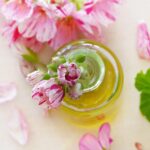
Warm a plant-based oil between your palms — jojoba, sweet almond, or camellia oil all work exceptionally well. Then work through your body with slow, rhythmic strokes directed toward the lymph nodes. Long, gliding movements up the legs toward the groin. Circular strokes across the abdomen. Broad sweeps up the back and neck.
The key here is slow. A fast, hurried touch actually keeps the nervous system alert. It’s the rhythm and pace of therapeutic touch that signals safety and allows the body to release. Work at roughly half the speed you think you need to. You will feel the difference immediately.
4. Facial Ritual for Skin and Emotional Release
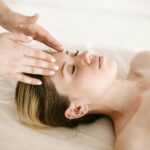
It’s worth paying attention to how much emotional tension lives in the face. The jaw, the temples, the space between the eyebrows — these areas carry an enormous amount of stress that we rarely consciously release.
After your body work, move to a gentle facial ritual. Begin with a cleanse using a soft, lukewarm cloth. Apply a botanical oil or serum — rosehip, argan, or squalane are excellent choices — and then work through the face using slow, upward strokes.
Consider introducing gua sha facial ritual to add precision and depth to your touch. If you’re new to the technique, explore this guide on gua sha and face massage techniques for lifted, radiant skin to learn how to use it effectively.
Use the stone with slow, intentional strokes along the jawline, cheekbones, and forehead.
Even five to ten minutes of facial massage or gua sha can support:
- Improved circulation and natural glow
- Reduced puffiness and fluid retention
- Enhanced lymphatic drainage
- Smoother, more lifted skin appearance
- Deep release of facial tension
5. The Integration Phase (Most People Skip This)
This is the step that separates a truly restorative ritual from one that just feels nice in the moment.
After all treatments are complete, wrap yourself in a warm robe or soft towel and lie down somewhere quiet. Make a cup of chamomile or green tea. Allow at least ten to fifteen minutes of complete stillness.
This integration phase is not downtime — it’s when your body consolidates all the work you’ve done. Your circulation continues improving. Your nervous system settles into parasympathetic dominance. The oils fully absorb into your skin. Your cortisol levels stabilise.
Skipping this stage is a bit like finishing a meditation session and immediately checking social media. The value is there — you just interrupt it before it can land.
6. Add Meditation to Deepen Your Reset
This is the perfect moment to bring meditation into your spa at home ritual.
“Be where you are; otherwise you will miss your life.” — Buddha
Simply close your eyes, place one hand on your chest and one on your belly, and follow your breath without trying to change it. Notice the warmth in your skin. See how much quieter your body feels compared to when you started.
Even five minutes of this kind of conscious stillness after your treatments significantly deepens the nervous system reset — calming the mind, lowering residual cortisol, and anchoring you fully in the present moment. Over time, this small meditation practice becomes one of the most anticipated parts of the entire ritual.
Why the Products You Choose Matter for Your Spa at Home Ritual and Nervous System Reset?
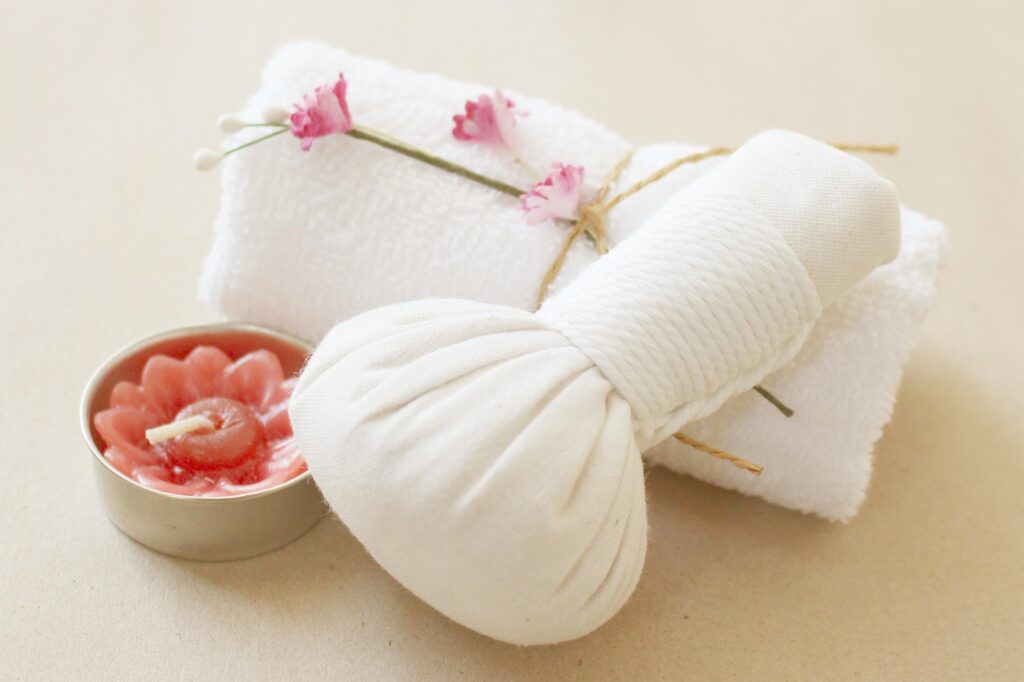
The products you use can elevate or limit your spa at home ritual. After your treatment, your body is more receptive—your nervous system is relaxed, circulation is active, and your skin is ready to absorb nutrients.
A high-quality spa at home ritual relies on clean, plant-based oils, botanical skincare, and natural tools that support the body without overstimulation. In massage therapy, the right products improve glide, enhance absorption, and reinforce relaxation, while synthetic formulas can disrupt this process.
When you choose the right products, you support:
- Nervous system regulation
- Healthier, more radiant skin
- Better nutrient absorption
- Smoother massage flow
- Improved circulation and lymphatic drainage
Simple, high-quality products used consistently will always deliver better results. This is what transforms a basic routine into a powerful spa at home ritual for long-term skin health and full-body balance.
How Often to Practice Your Spa at Home Ritual?
You don’t need a full hour every time to feel the benefits.
A shorter version — twenty to thirty minutes focused on environment, heat, and either body or facial massage — works beautifully once or twice a week. A full ritual of sixty to ninety minutes, once a week, creates real cumulative change over time.
Consistency is what transforms this from a nice experience into a genuine wellness practice. Your nervous system learns, over time, that it has a safe space to land. The release comes more easily. The restoration goes deeper.
Frequently Asked Questions
Do I need expensive products to create a meaningful spa ritual at home?
Not at all. A few simple, high-quality organic oils and a gua sha stone are genuinely all you need to get started. The most important elements of this ritual — warmth, slowness, sensory intention, and consistent practice — cost very little. What matters most is the quality of your attention, not the price of your products.
How long does it take to feel the nervous system benefits of this kind of ritual?
Some effects are immediate. Most people notice a significant shift in how calm they feel within the first session. However, the deeper nervous system regulation — the changes in your baseline stress response, sleep quality, and physical tension patterns — tends to build over four to eight weeks of regular practice.
Can I do this ritual even if I only have thirty minutes?
Absolutely. A shorter ritual can be just as effective if you keep the intention clear. Prioritise the environment preparation, a foot soak or brief steam, and one focused treatment — either body massage or facial work. Always include at least five minutes of integration at the end. Quality of presence matters far more than length of time.
What is gua sha and is it necessary for this ritual?
Gua sha is a traditional East Asian technique that uses a smooth stone tool — typically jade or rose quartz — to apply gentle, directional pressure along the face and neck. It improves circulation, reduces facial puffiness, and supports lymphatic drainage. It’s a wonderful addition to your facial ritual, but it’s not essential. Slow, attentive massage with your hands alone produces excellent results.
Is it normal to feel emotional during or after a spa at home ritual?
Yes, and it’s actually a healthy sign. When the body shifts from a stress state into genuine rest, it sometimes releases stored emotional tension alongside the physical kind. You might feel unexpectedly tearful, deeply tired, or unusually calm. This is your nervous system doing exactly what it’s designed to do when finally given the space to reset. Honour it rather than resist it.